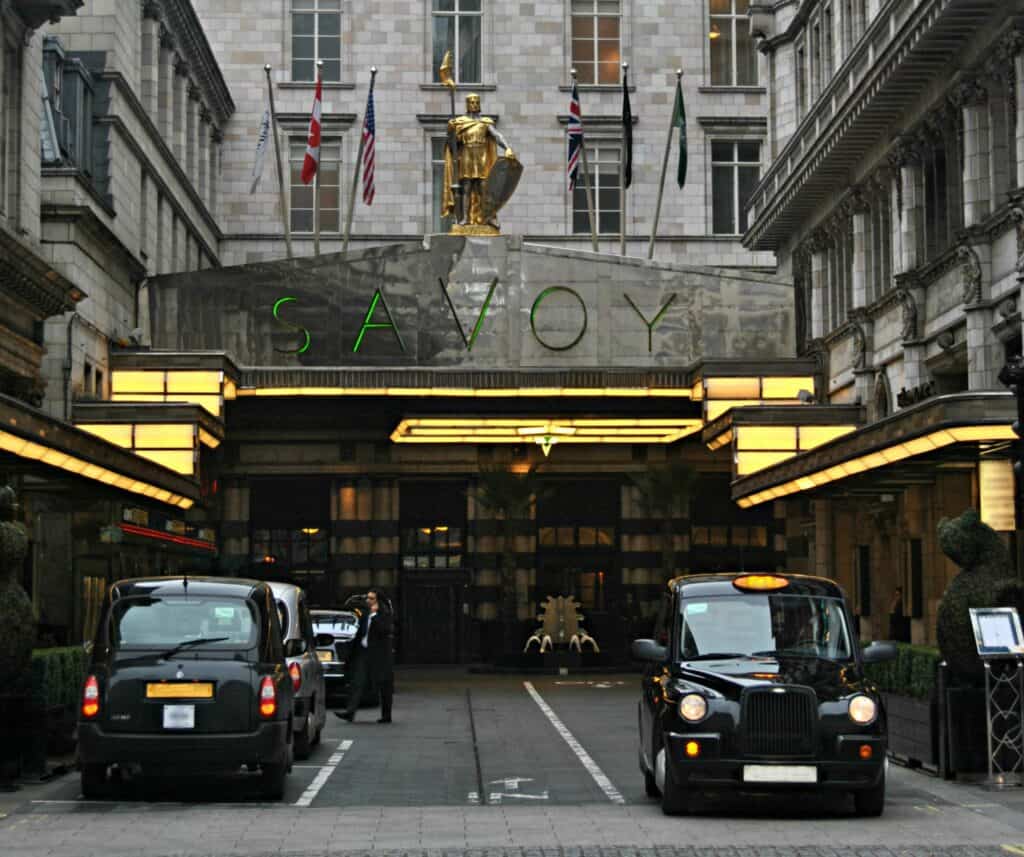
The Savoy by ReardonSmith Architects in London, United Kingdom
The Savoy is a luxury hotel on the Strand in London, United Kingdom, set between Savoy Court and the Victoria Embankment with its finest rooms looking over the River Thames. Built by the impresario Richard D’Oyly Carte with the profits of his Gilbert and Sullivan operas, it opened on 6 August 1889 and is now managed by Fairmont Hotels & Resorts. It closed in December 2007 and reopened in October 2010 after a restoration by ReardonSmith Architects, who acted as architects and contract administrators, with interiors by the French designer Pierre-Yves Rochon and a restored Savoy Grill by Russell Sage Studio. The original building was designed by Thomas Edward Collcutt, and the Savoy Court forecourt was remodelled in 1929 by Howard Robertson. It joins other grand hotels on Archtene such as Hôtel Ritz Paris, founded by the Savoy’s first manager César Ritz, St Pancras Renaissance Hotel, Rosewood London, Four Seasons Hotel London at Ten Trinity Square, The Ned and Raffles London at The OWO in London, and Rochon’s work at Waldorf Astoria New York and Hôtel de Paris Monte-Carlo.
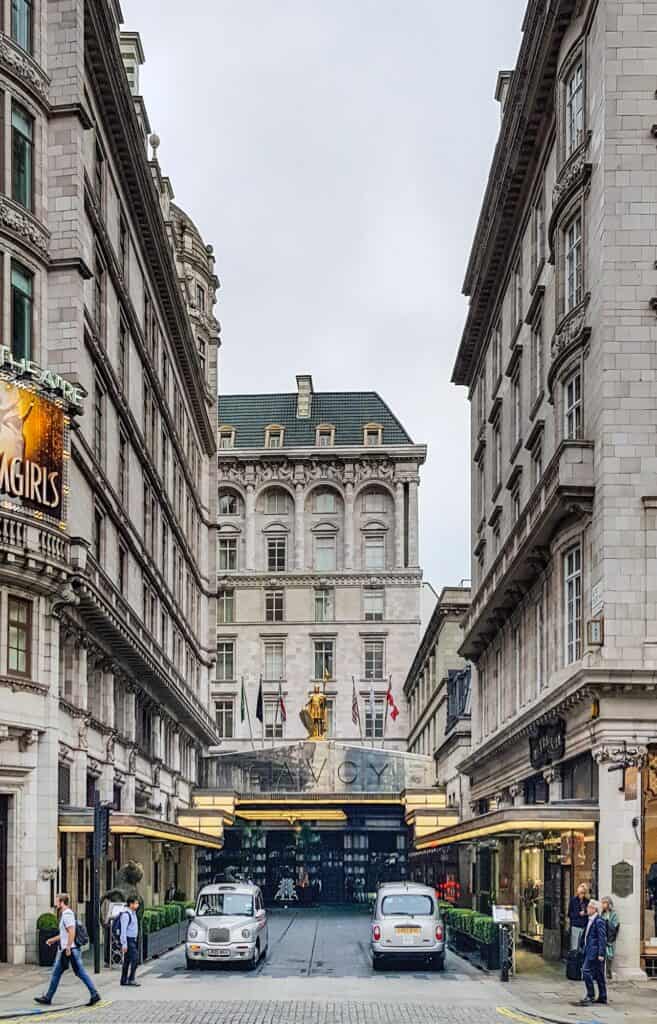
Thomas Edward Collcutt and the first Savoy, 1889
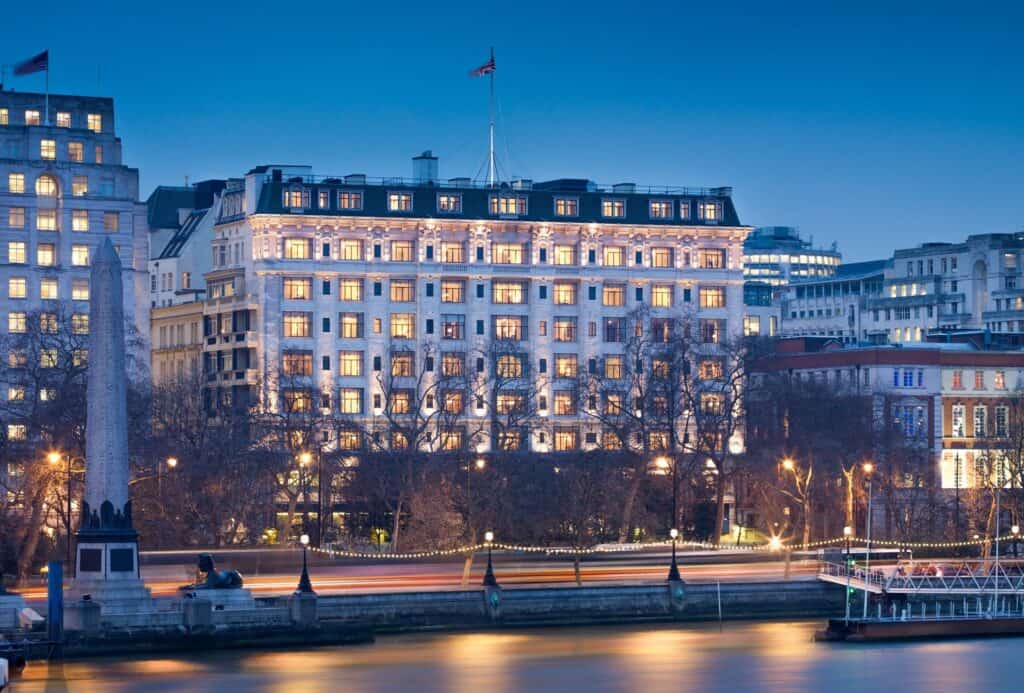
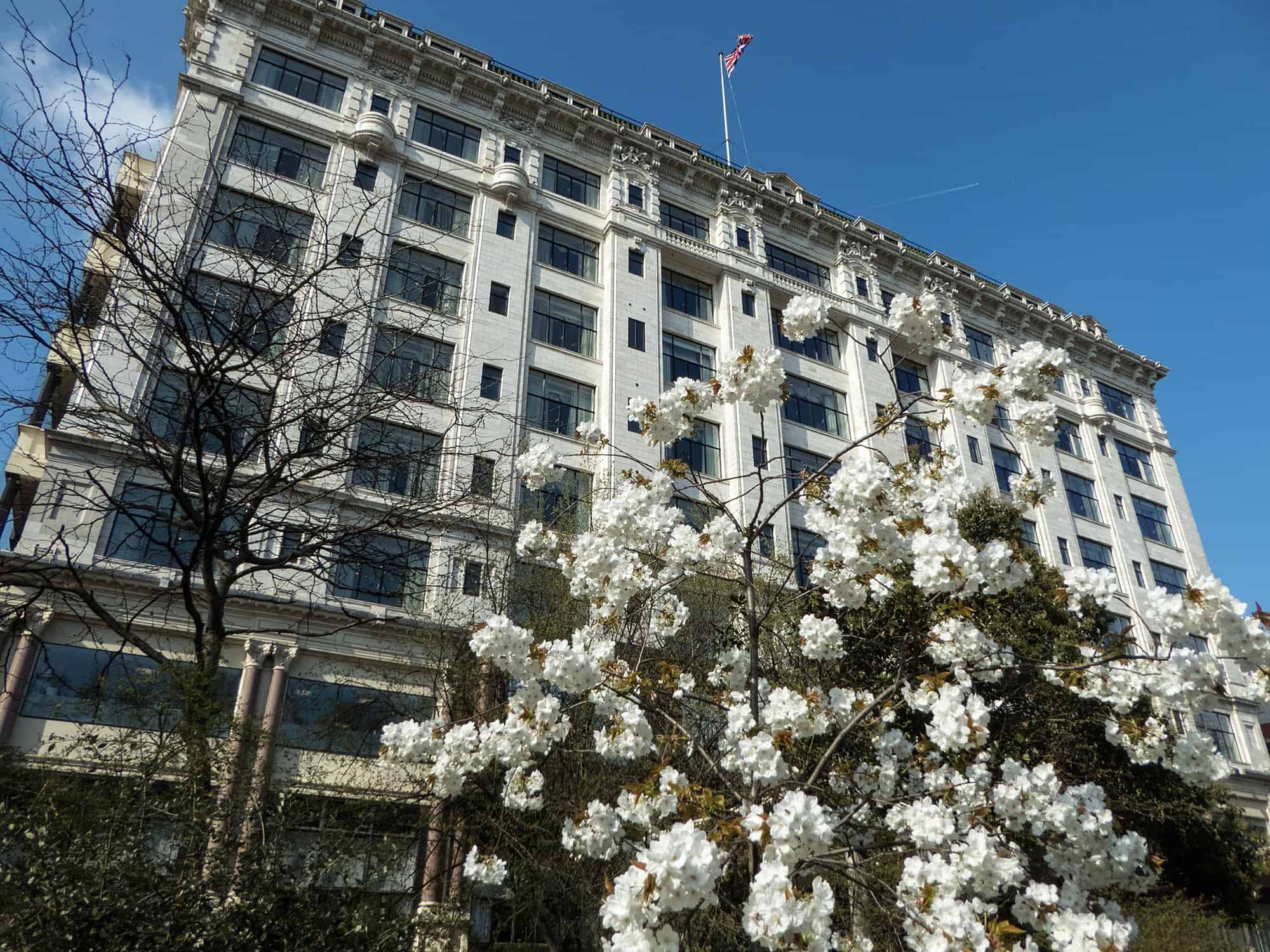
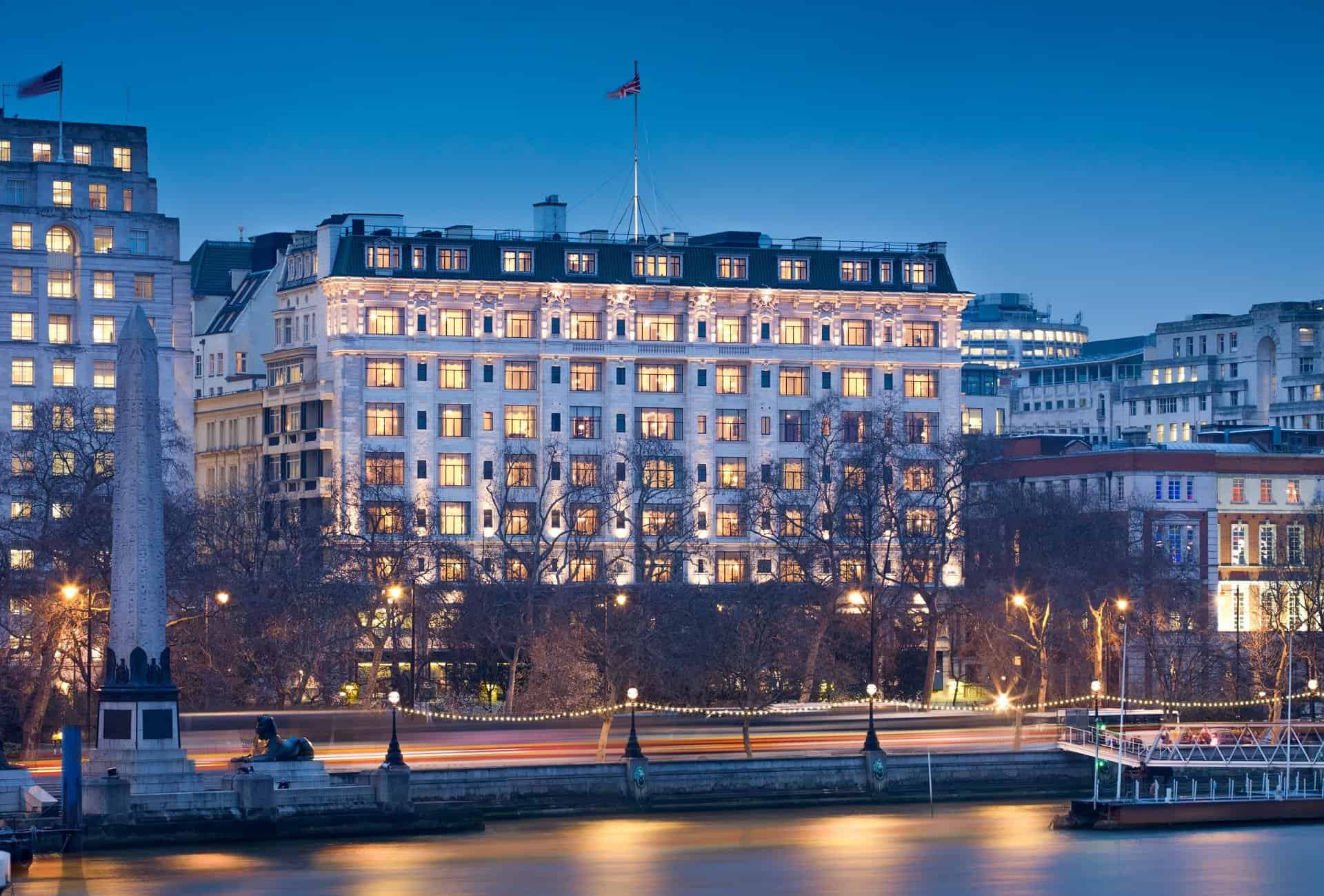
The hotel takes its name from the medieval Savoy Palace. In 1246 Henry III gave the land between the Strand and the Thames to Peter, Count of Savoy, the uncle of his queen, Eleanor of Provence; the palace that John of Gaunt later built there was burned in the Peasants’ Revolt of 1381. Carte bought the site in 1880 for the Savoy Theatre, the first public building in the world to be lit entirely by electricity, and then built the hotel beside it over five years. Collcutt designed the river block of 1886 to 1889, with A. H. Mackmurdo as interior consultant, and faced it in glazed Doulton Carrara ware so that London’s smoky air would not spoil the walls. It was the first hotel in Britain lit by electricity throughout and the first with electric lifts, most of its rooms had their own marble bathroom with constant hot and cold running water, and it drew water from its own artesian well. Carte made César Ritz his manager and Auguste Escoffier his chef, and together they made the Savoy’s dining rooms the most fashionable in London until both were dismissed in 1897.
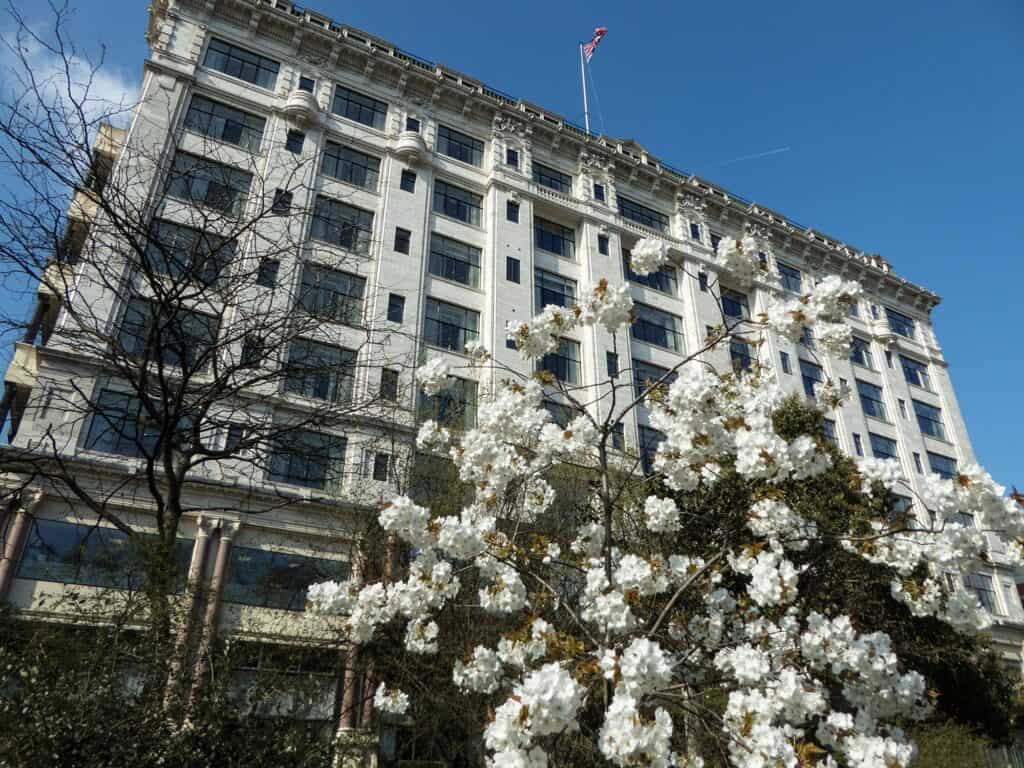
Savoy Court, the river front and a century of guests
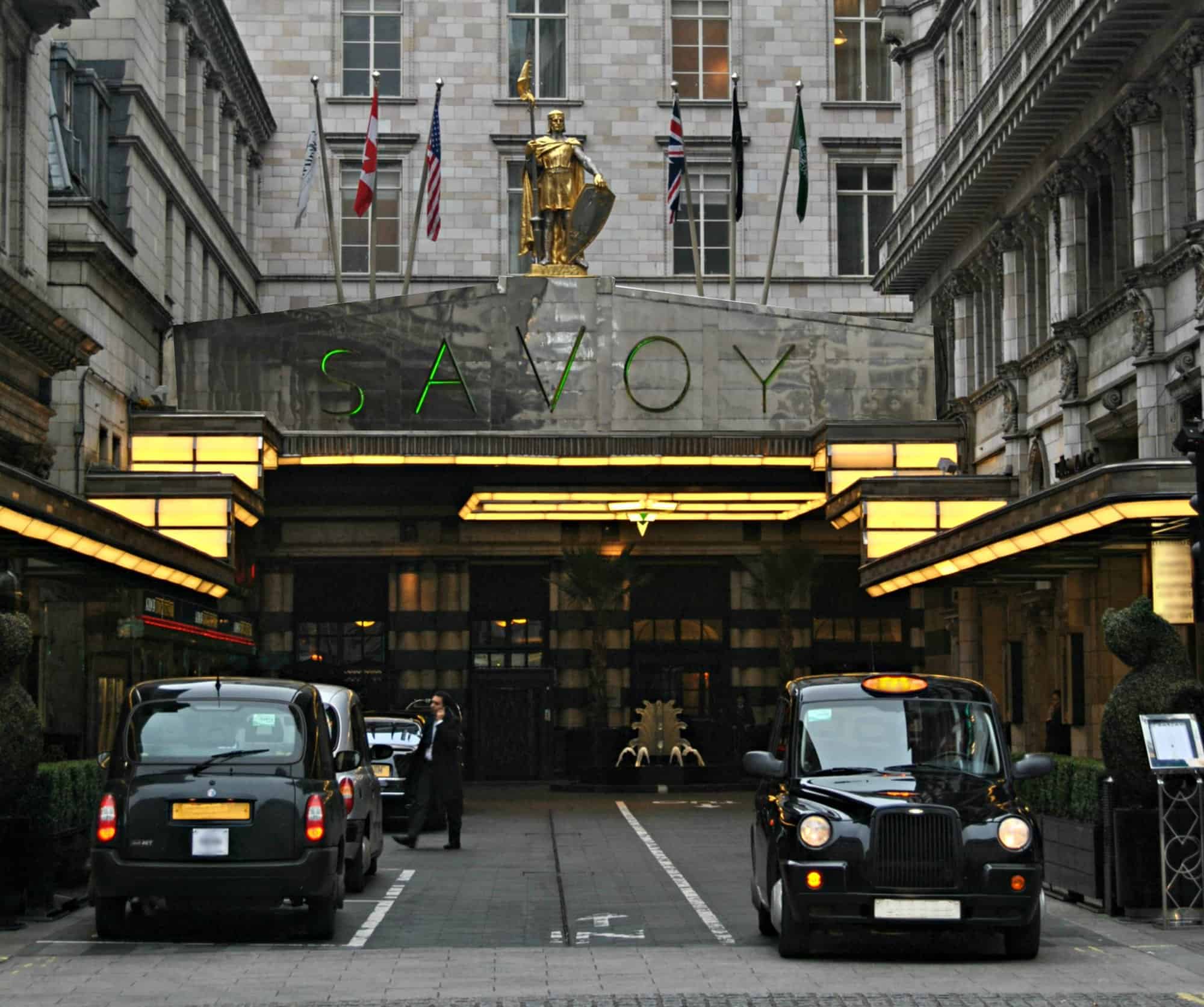
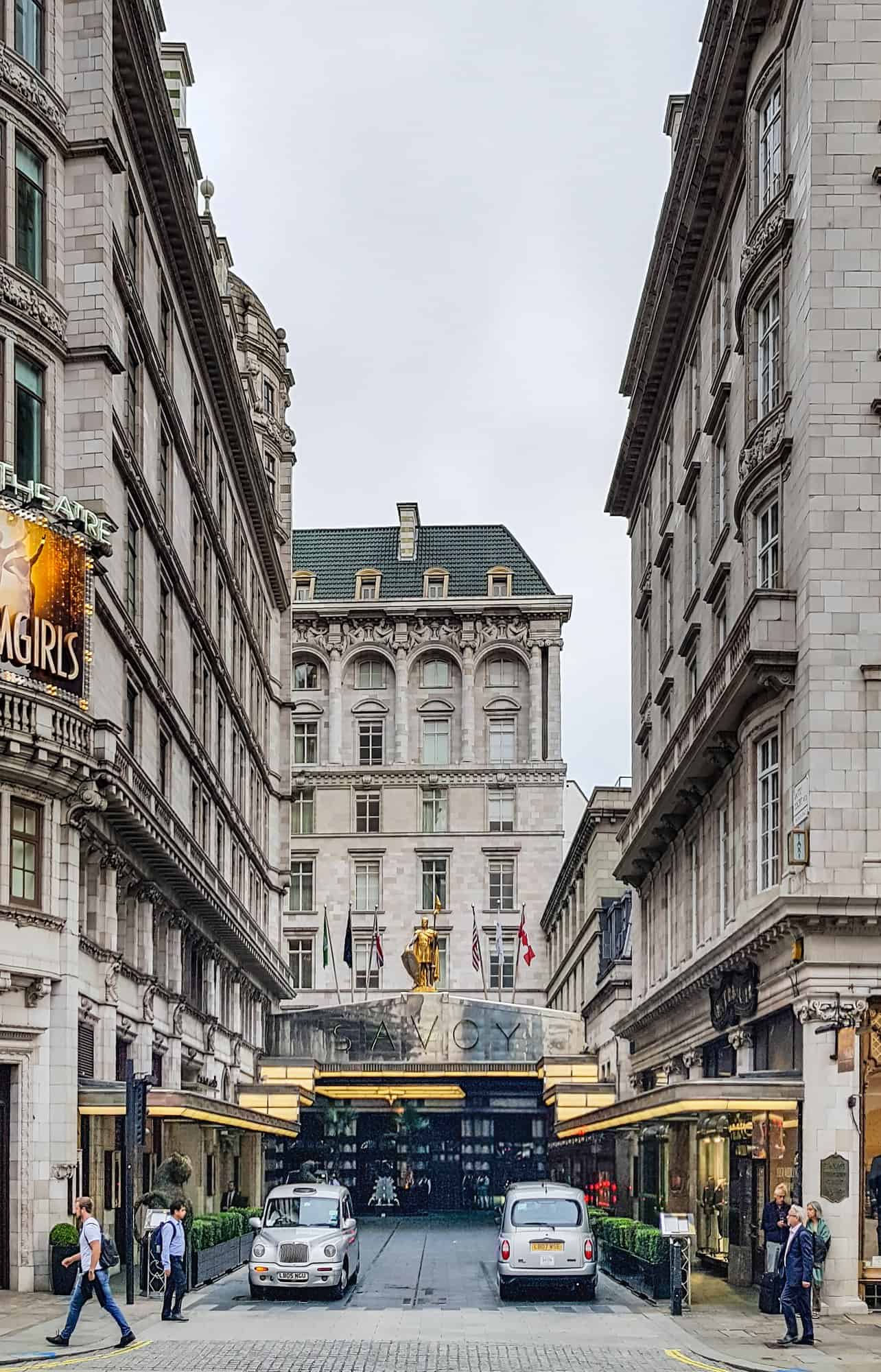
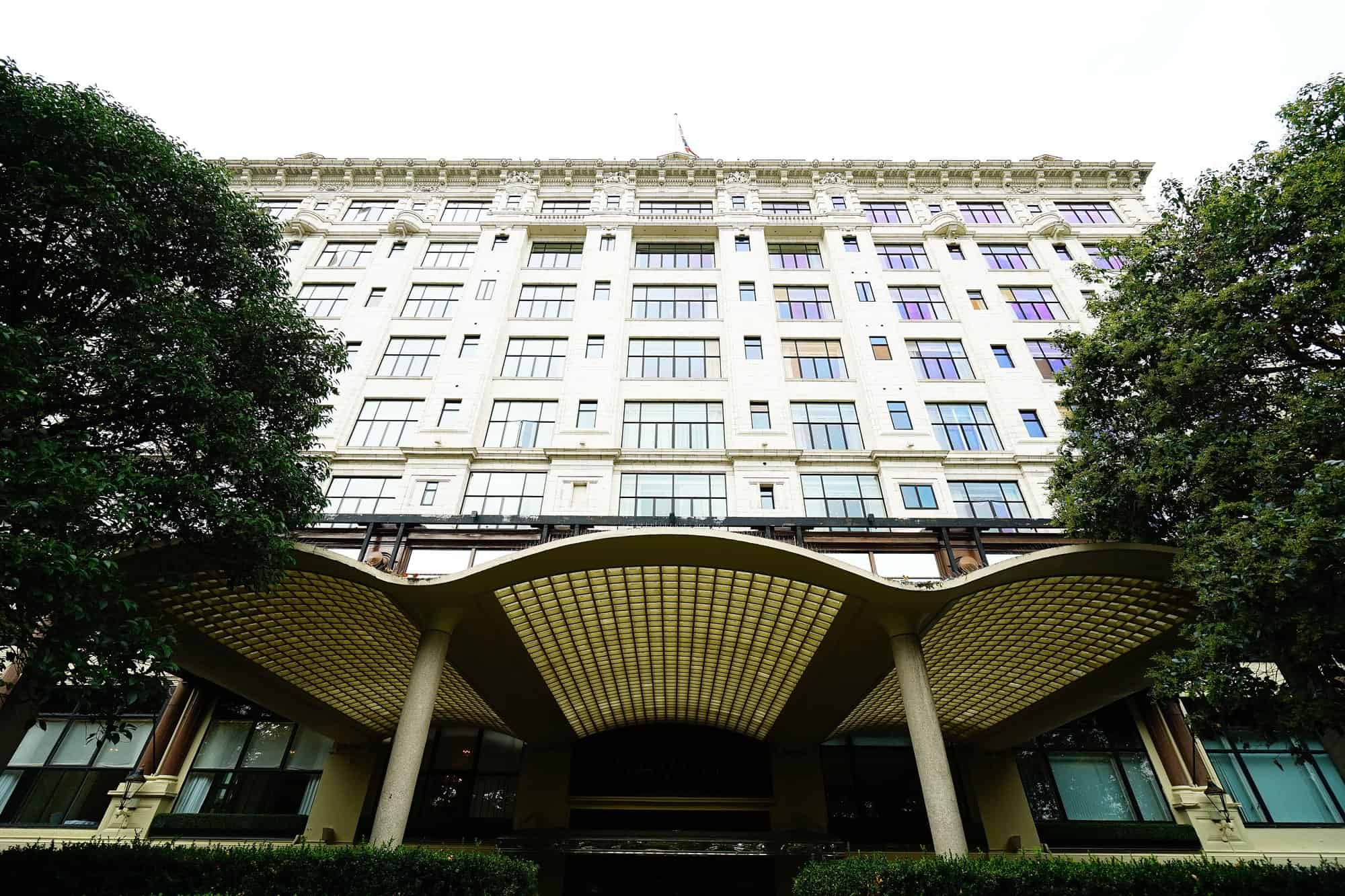
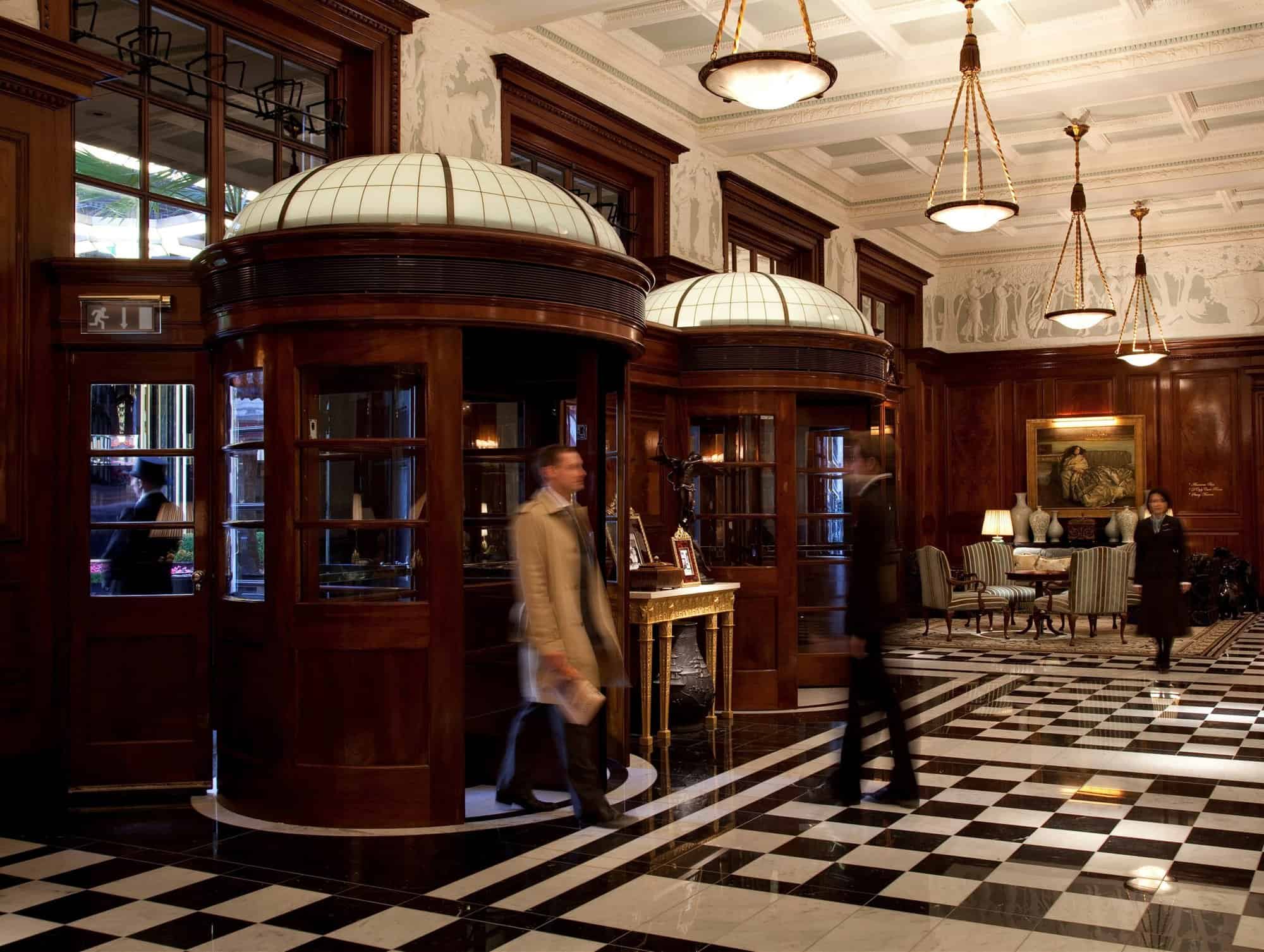
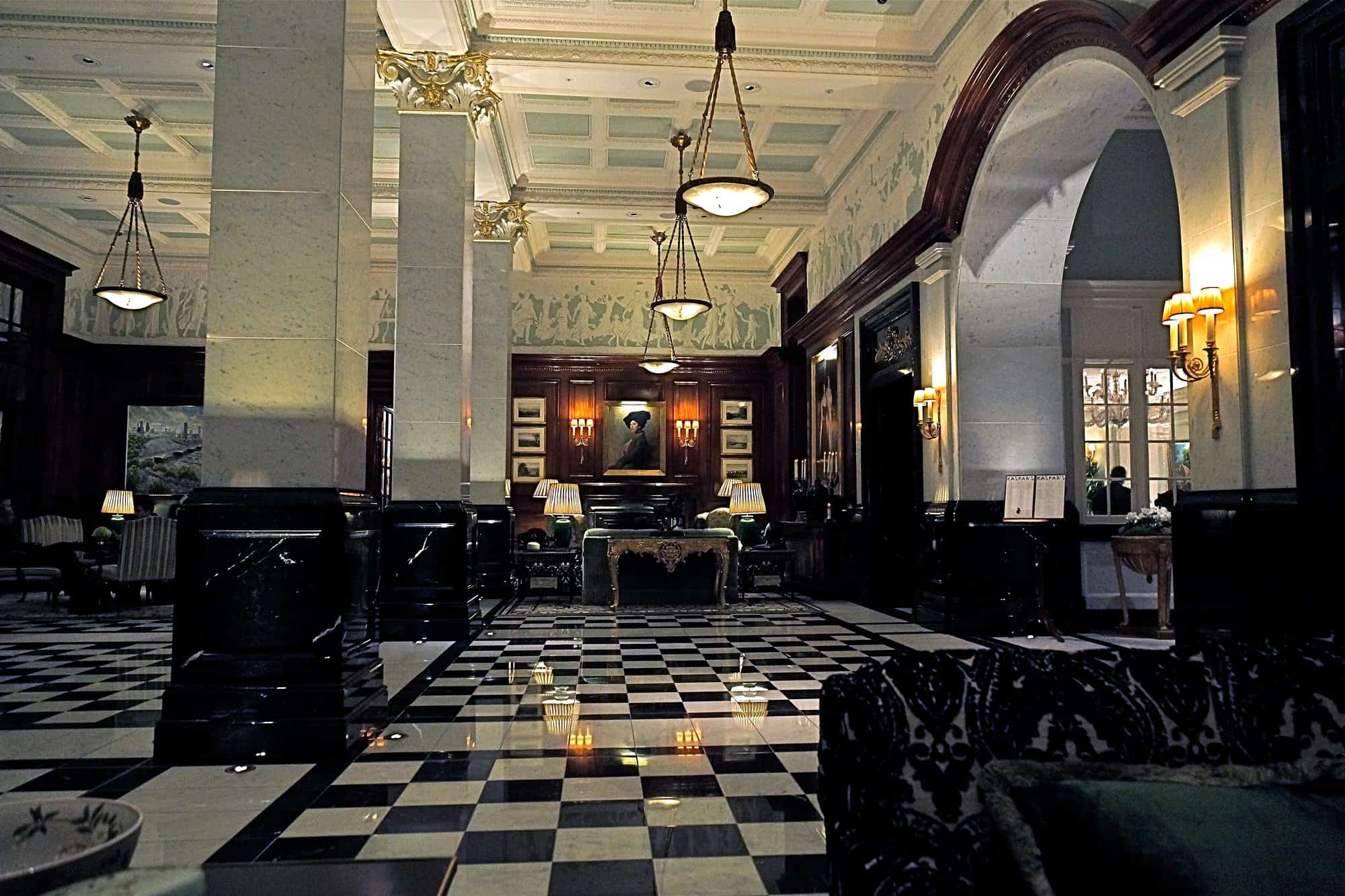
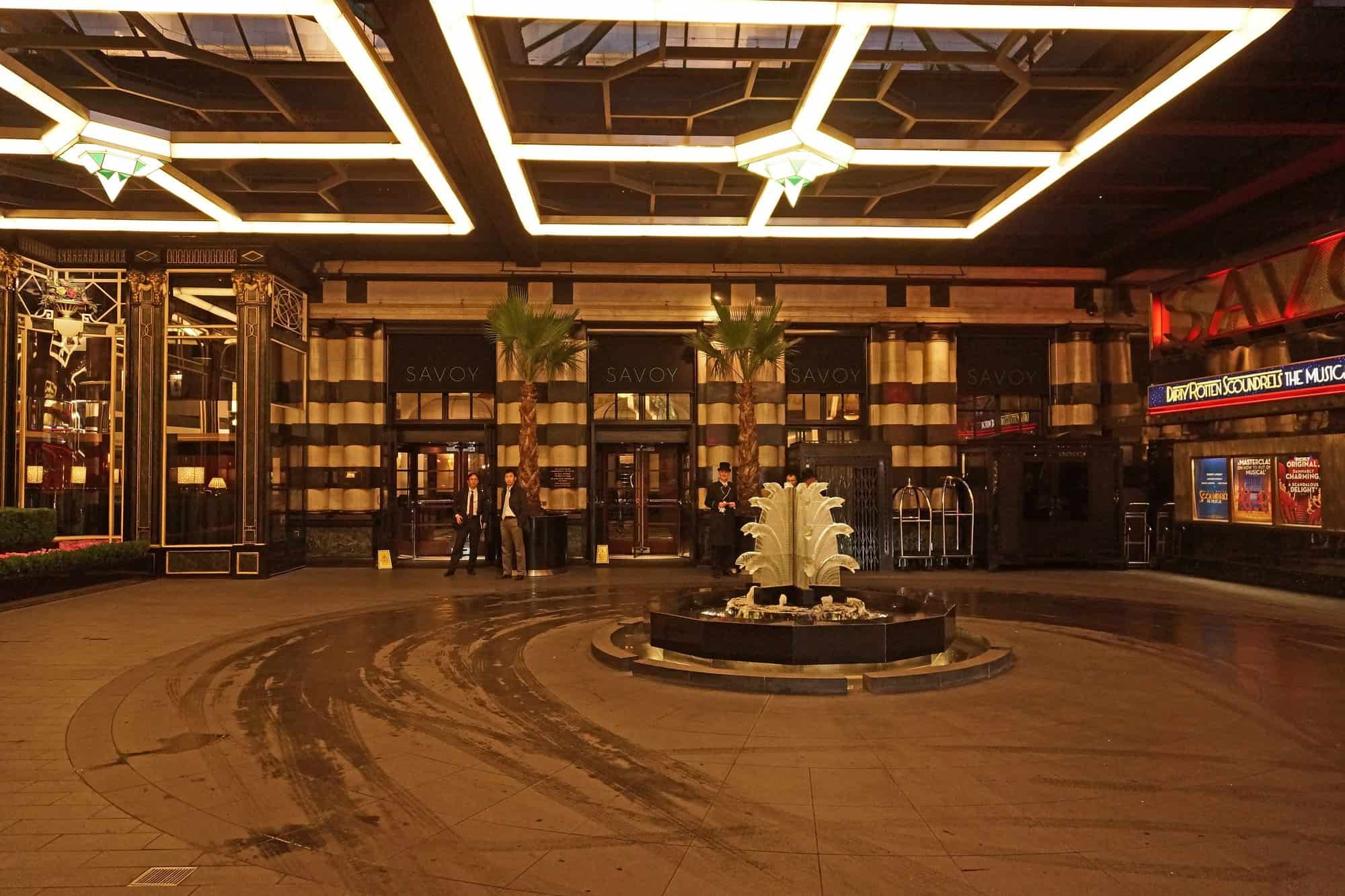
Under Carte’s son Rupert the hotel grew in 1903 and 1904, when new east and west wings were added and the main entrance moved from the river to Savoy Court off the Strand. The additions, by the same architects, pioneered steel-frame construction in London, and the panelled Front Hall survives from this phase. Around 1910 the river front was refaced and brought forward so that every room could have its own bathroom, the new frontage hung from massive steel trusses on the roof, and the Lancaster Ballroom dates from the same years. In 1929 Howard Robertson of Easton & Robertson remodelled the forecourt with a new awning, now crowned by the stainless steel letters of the hotel’s name and a gilded statue of Peter of Savoy, and Savoy Court is still the only street in Britain where traffic keeps to the right. Sarah Bernhardt lived at the hotel, Enrico Caruso sang there, Claude Monet painted the Thames from its rooms and Winston Churchill often took his cabinet to lunch there. The building is listed at Grade II.
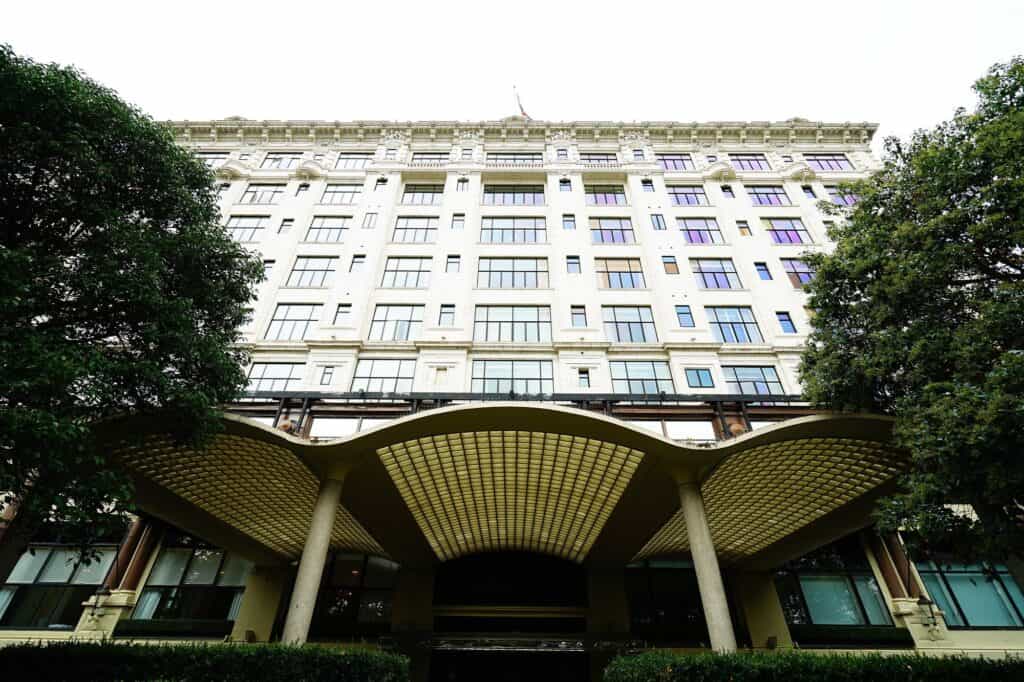
Restoring The Savoy, 2007 to 2010
Fairmont closed the Savoy in December 2007 for a renovation first budgeted at £100 million. Structural problems pushed the reopening back by more than a year, the reported cost rose to £220 million, and the hotel welcomed its first guests again on 10 October 2010. ReardonSmith, led by its managing director Conrad Smith, kept a senior team of architects and technicians on site for more than four years, working with the structural engineers Buro Happold. The first task was the hanging river facade, whose roof trusses had moved and corroded: temporary steel towers and hydraulic jacks raised the trusses a millimetre at a time, with the movement monitored by infrared beams from across the river, so that the load-bearing walls of the river suites could be replaced by a new steel frame. The faience was repaired and cleaned, the roof pantiles were renewed, a second lift was fitted into the original lift shaft and the services and kitchens were replaced throughout. “Virtually every square inch of the Savoy is imbued with historical association,” Smith said, and the team was “very conscious of acting as custodians of this while creating a hotel for the 21st Century”.
Interiors by Pierre-Yves Rochon
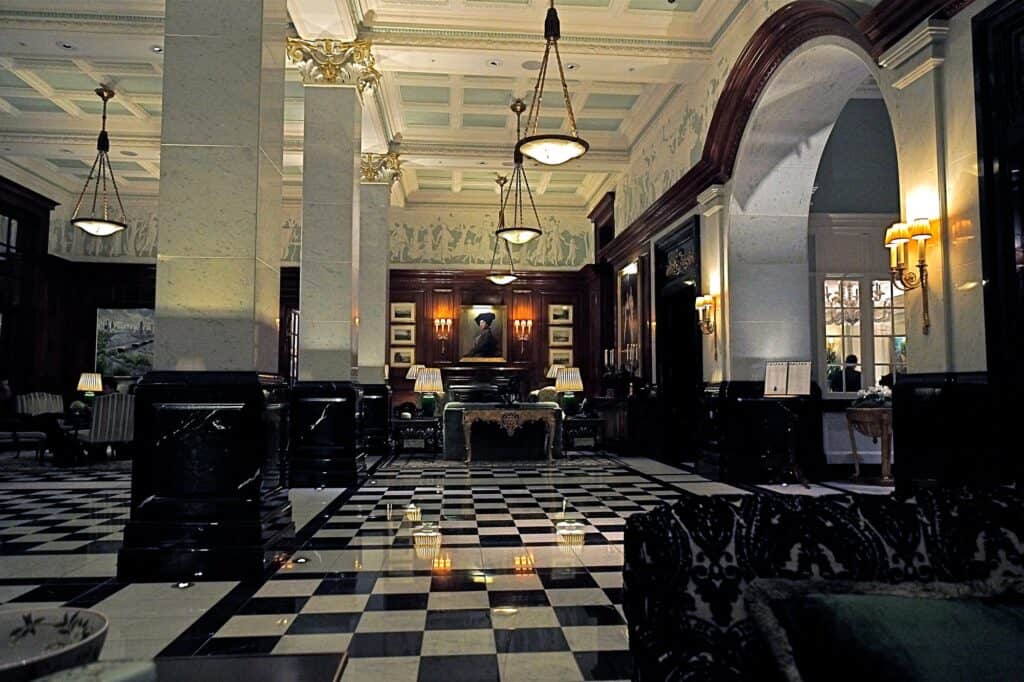
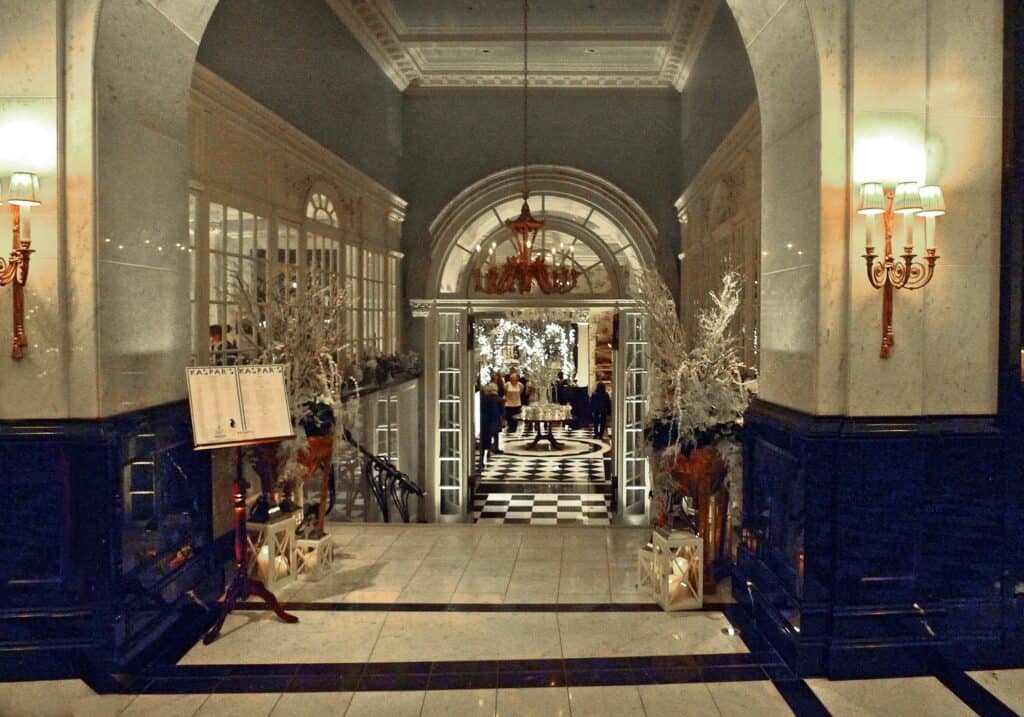
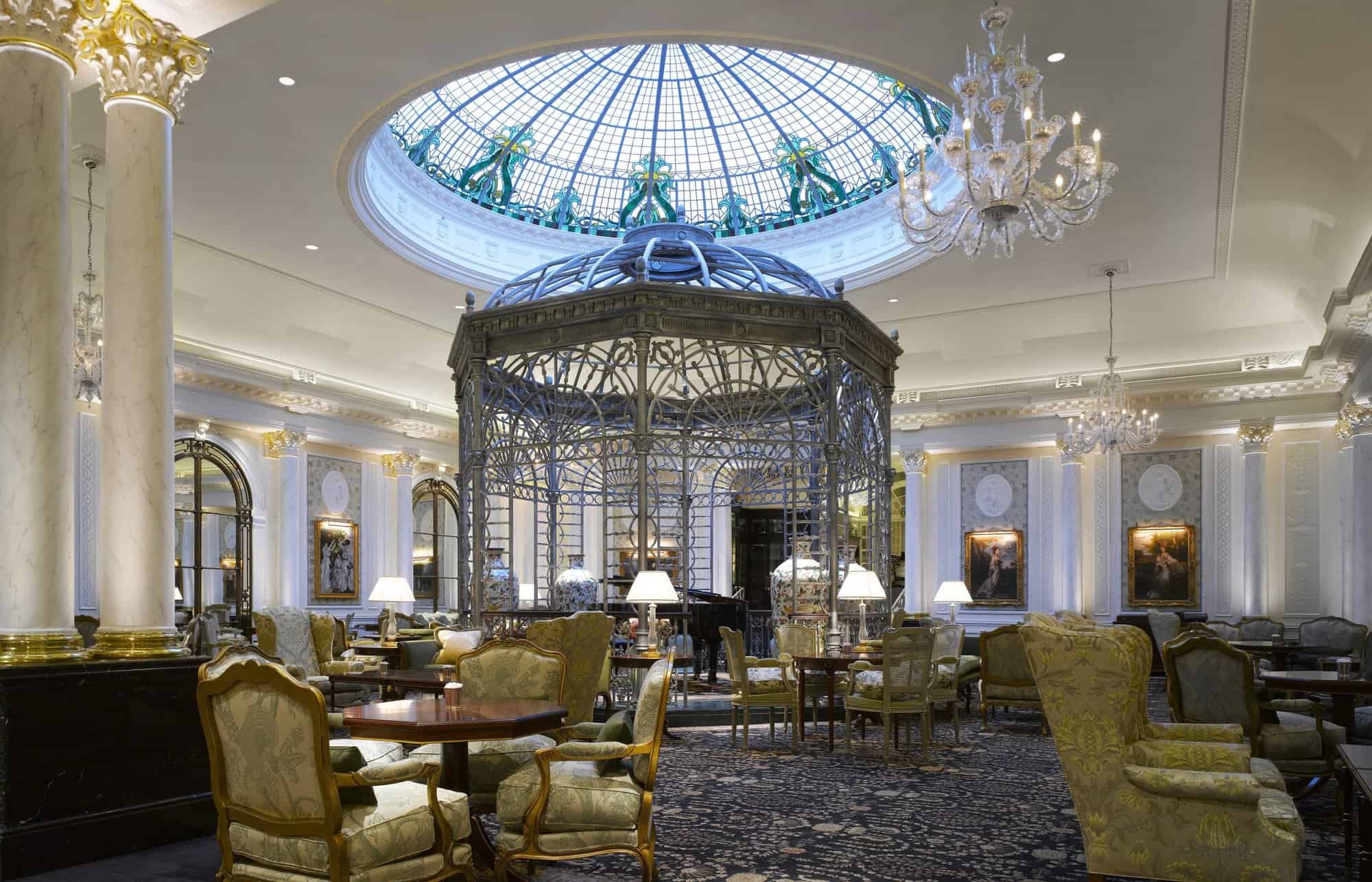
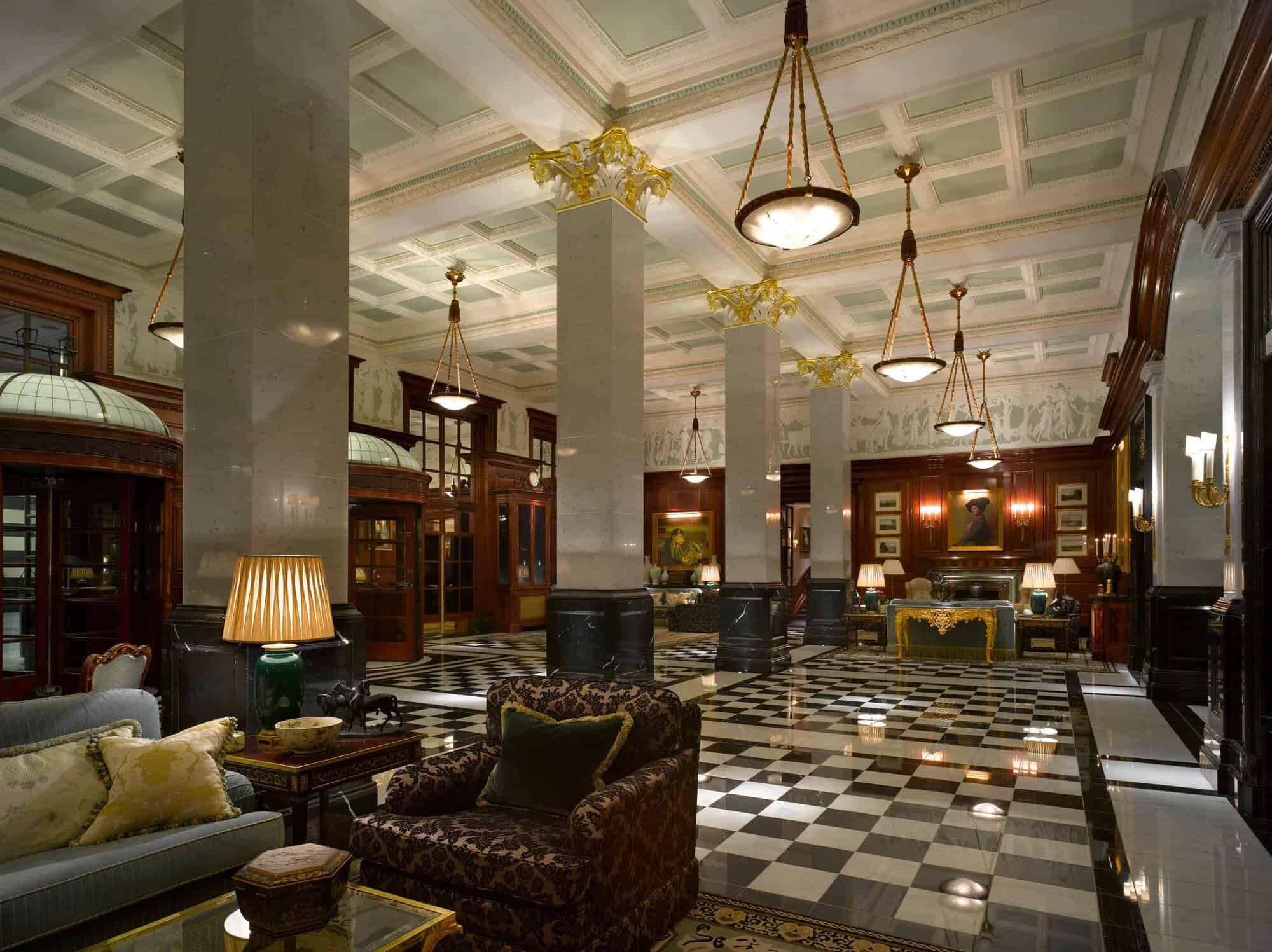
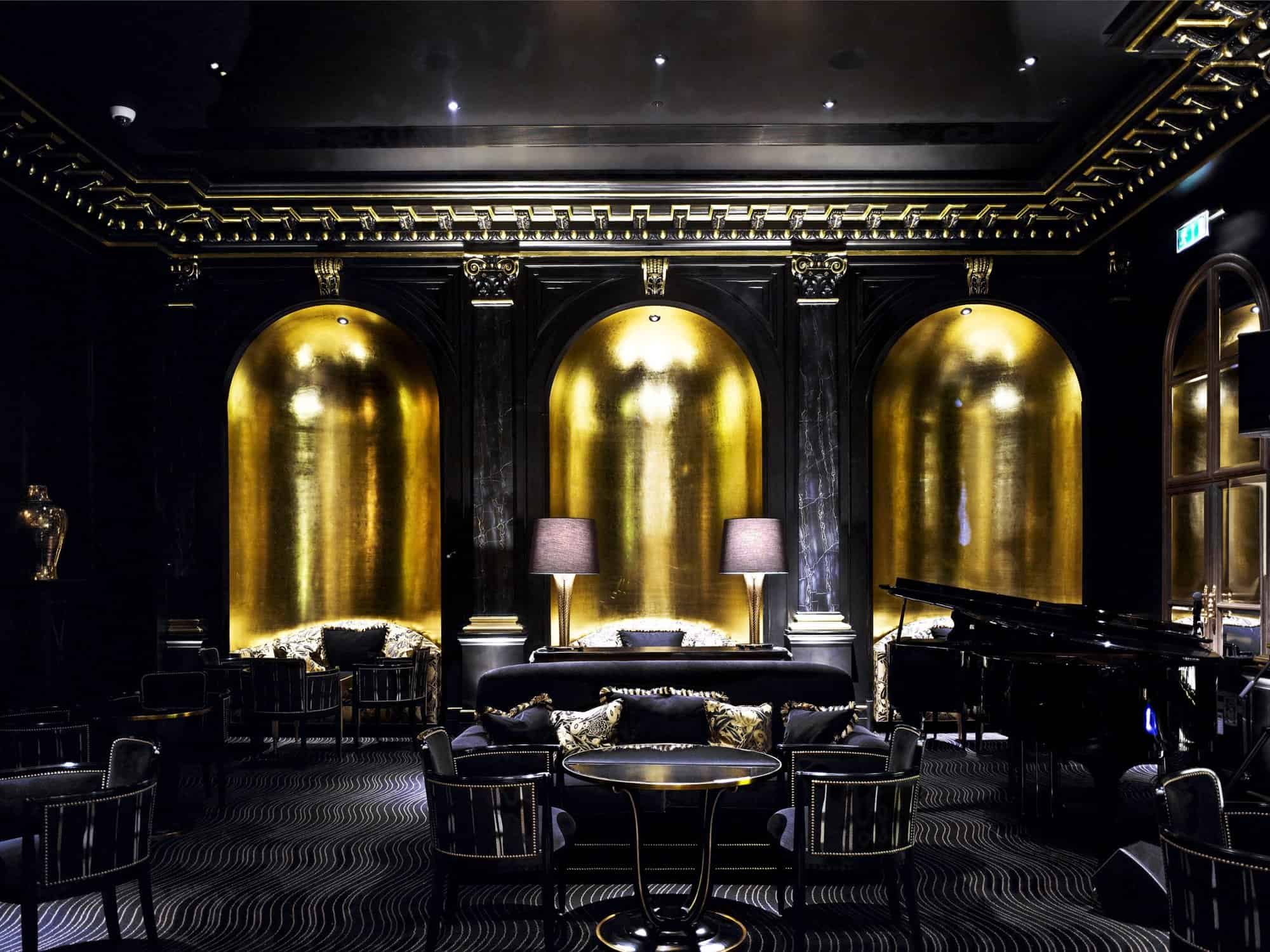
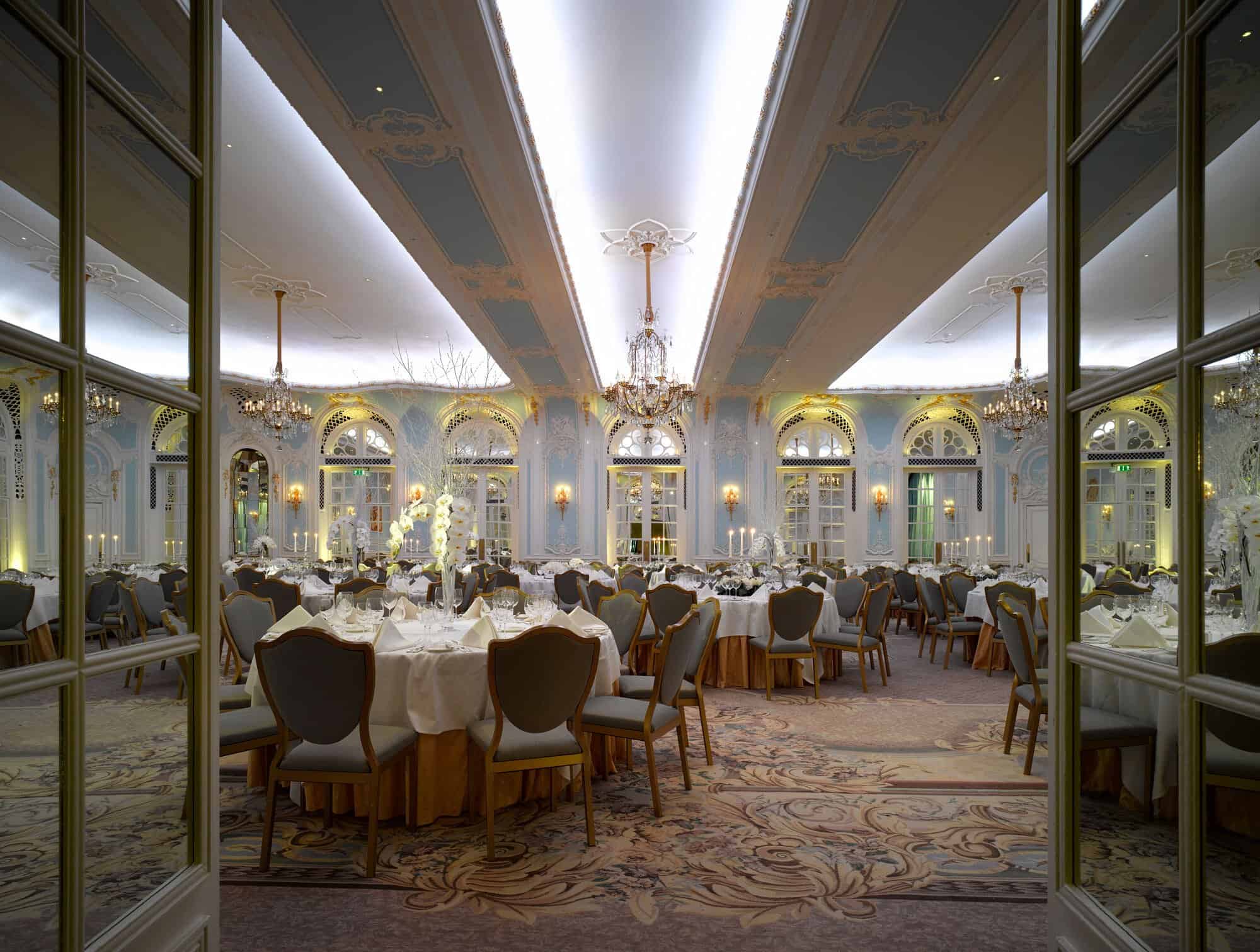
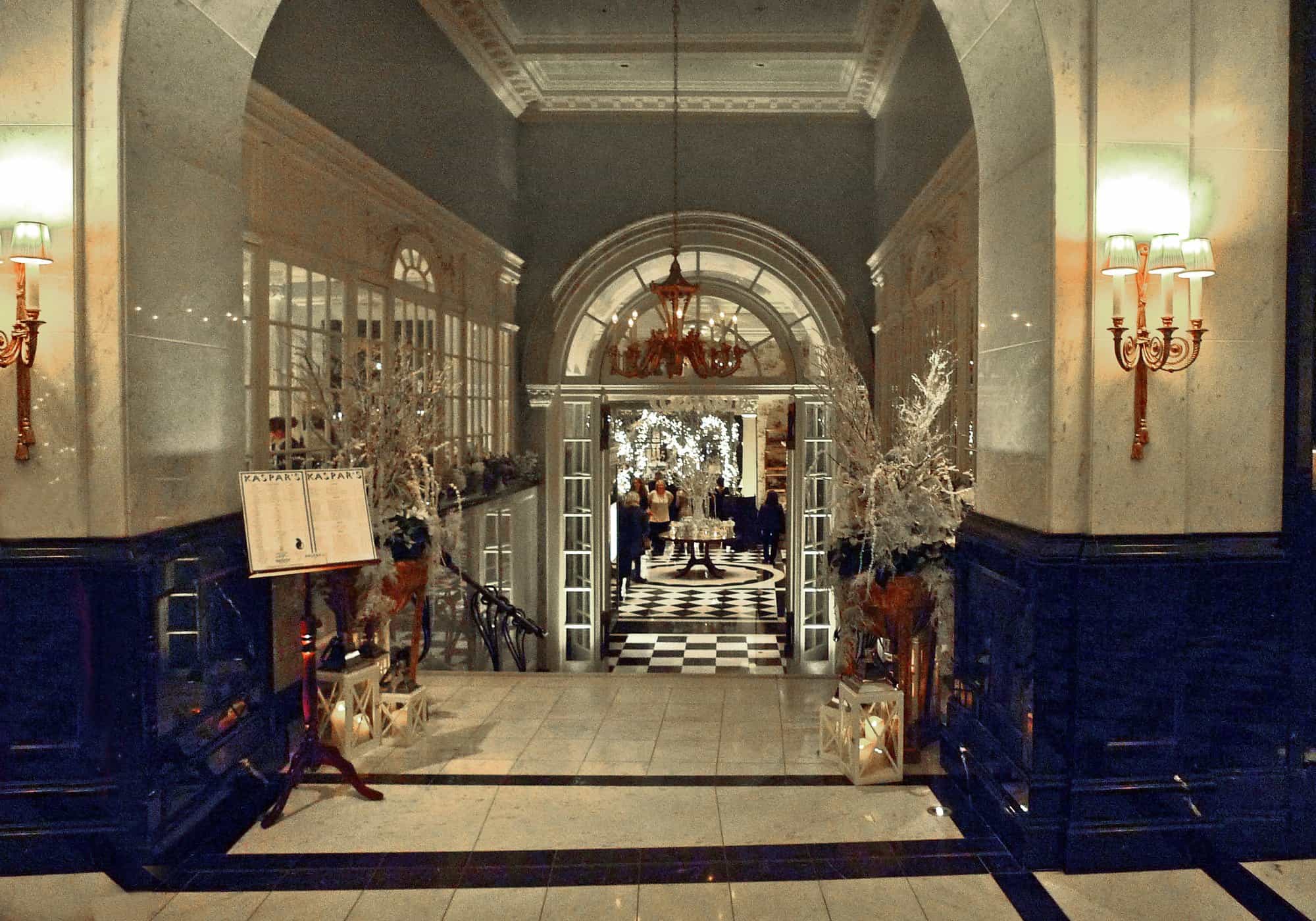
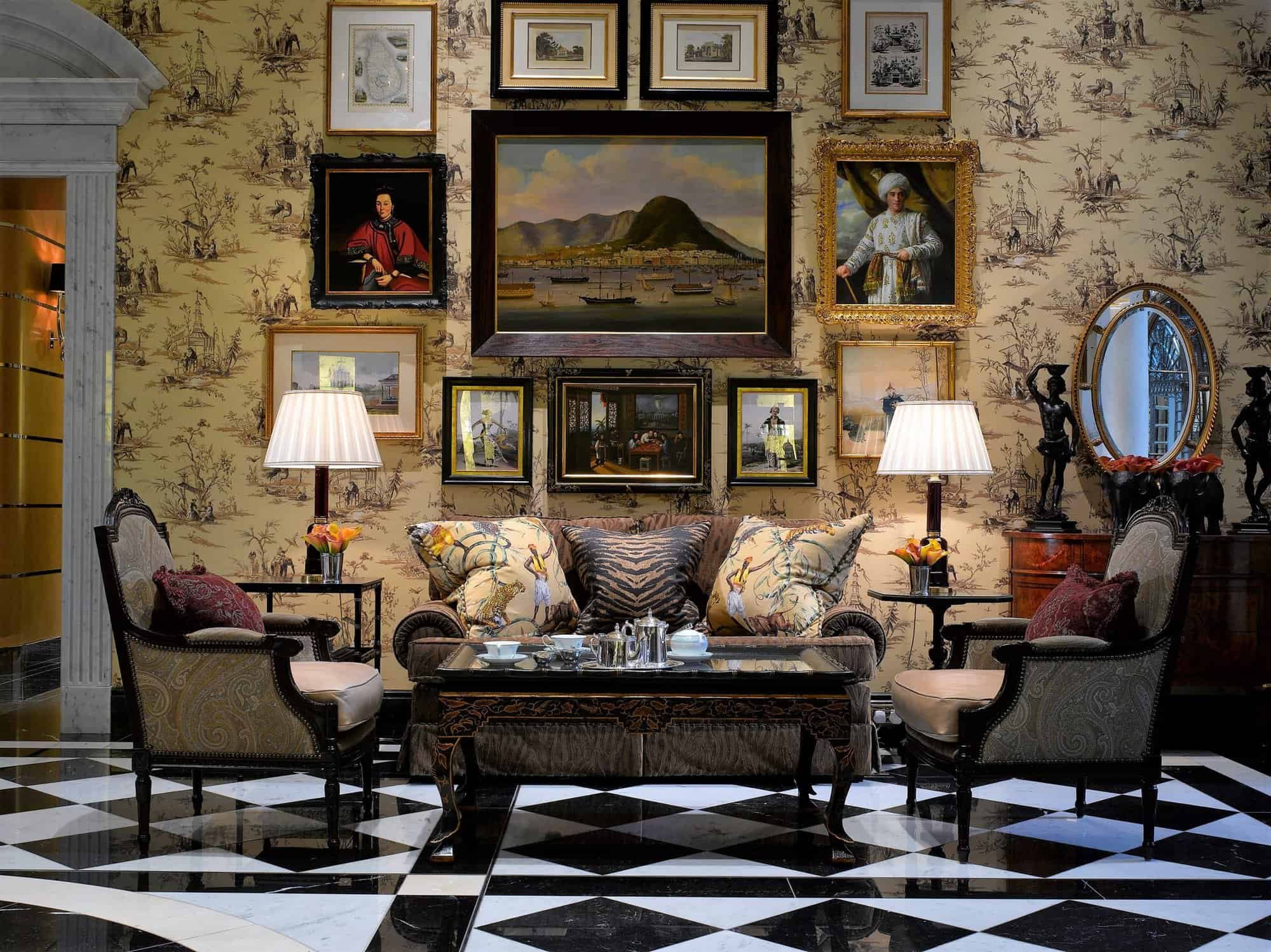
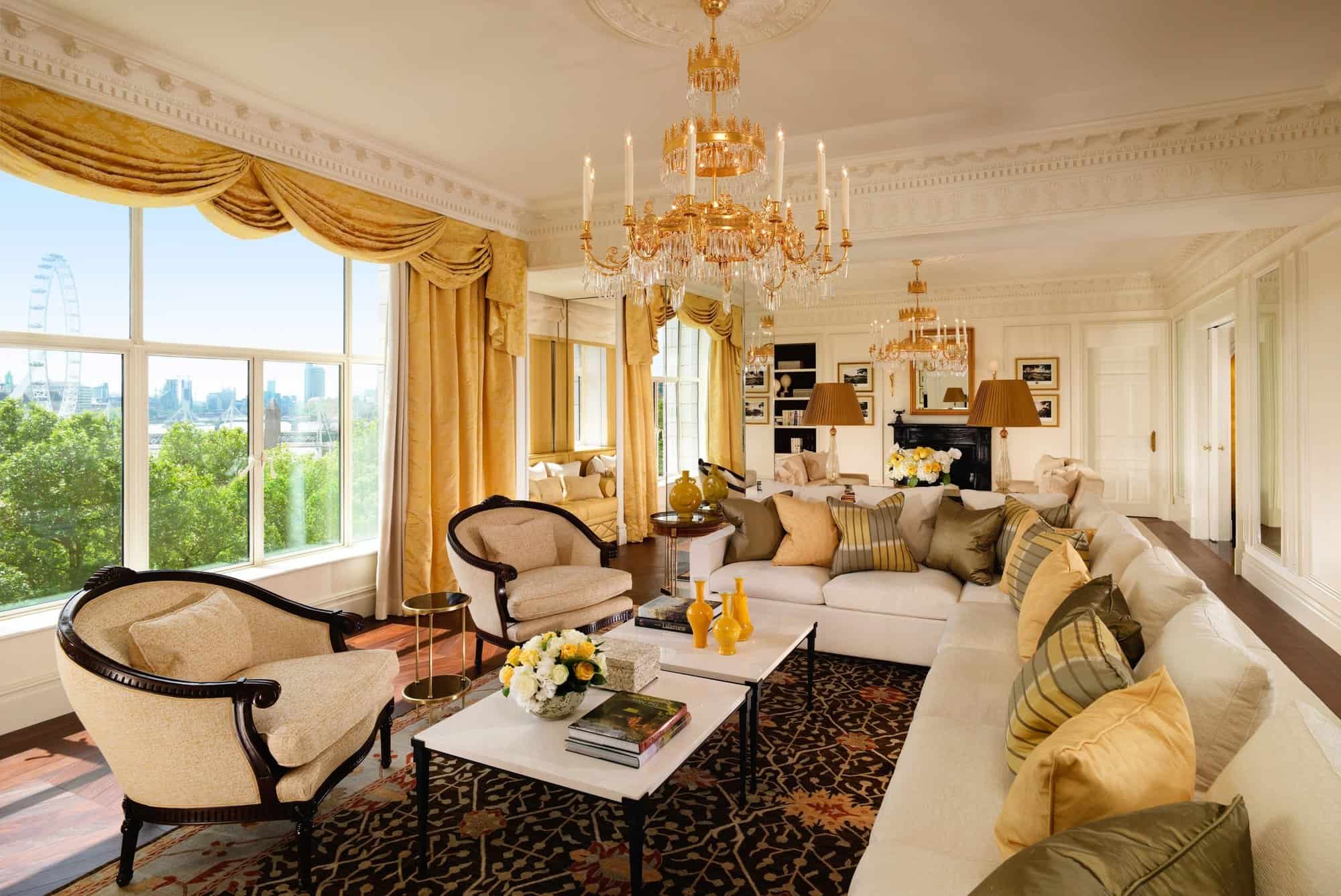
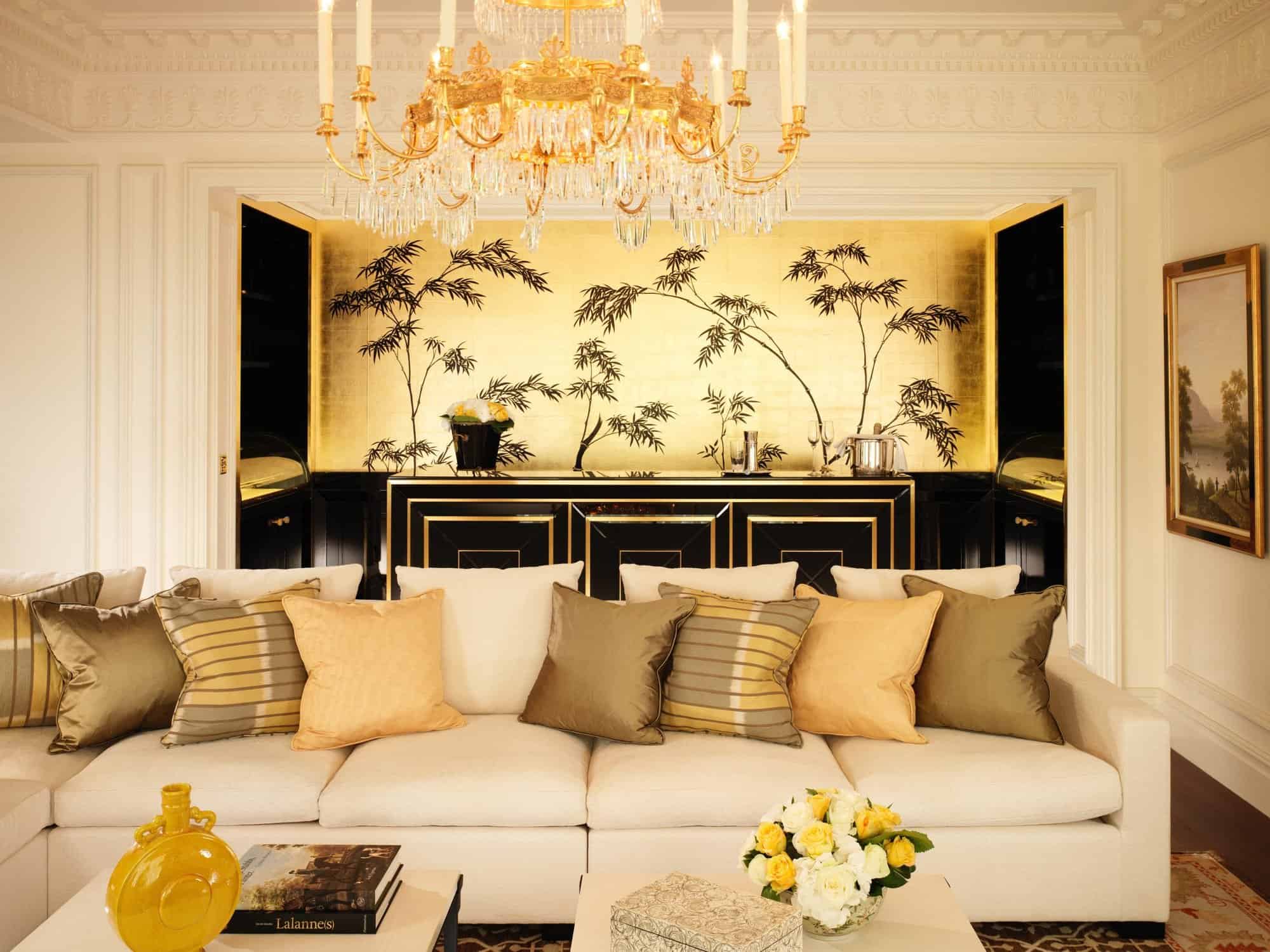
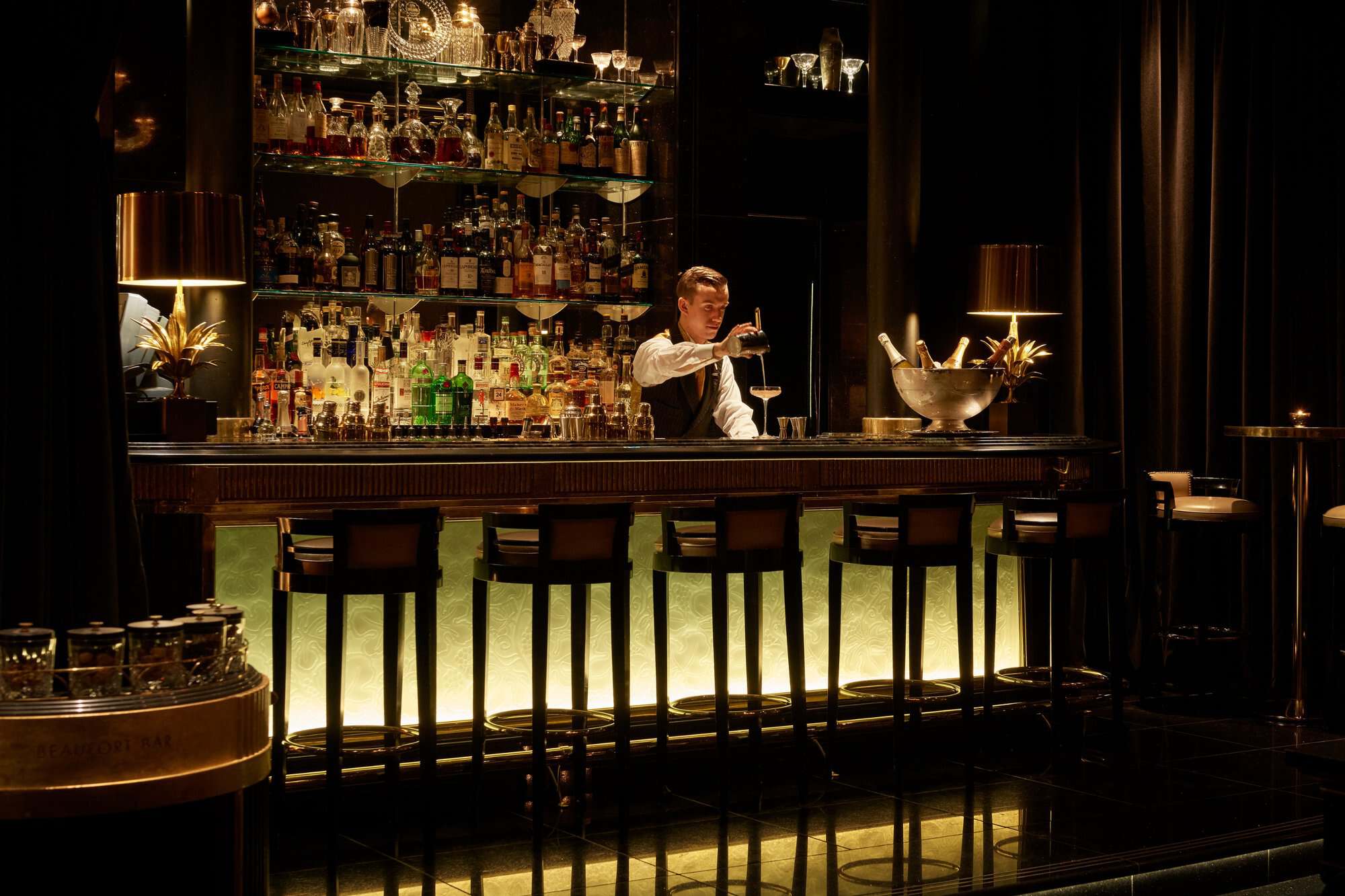
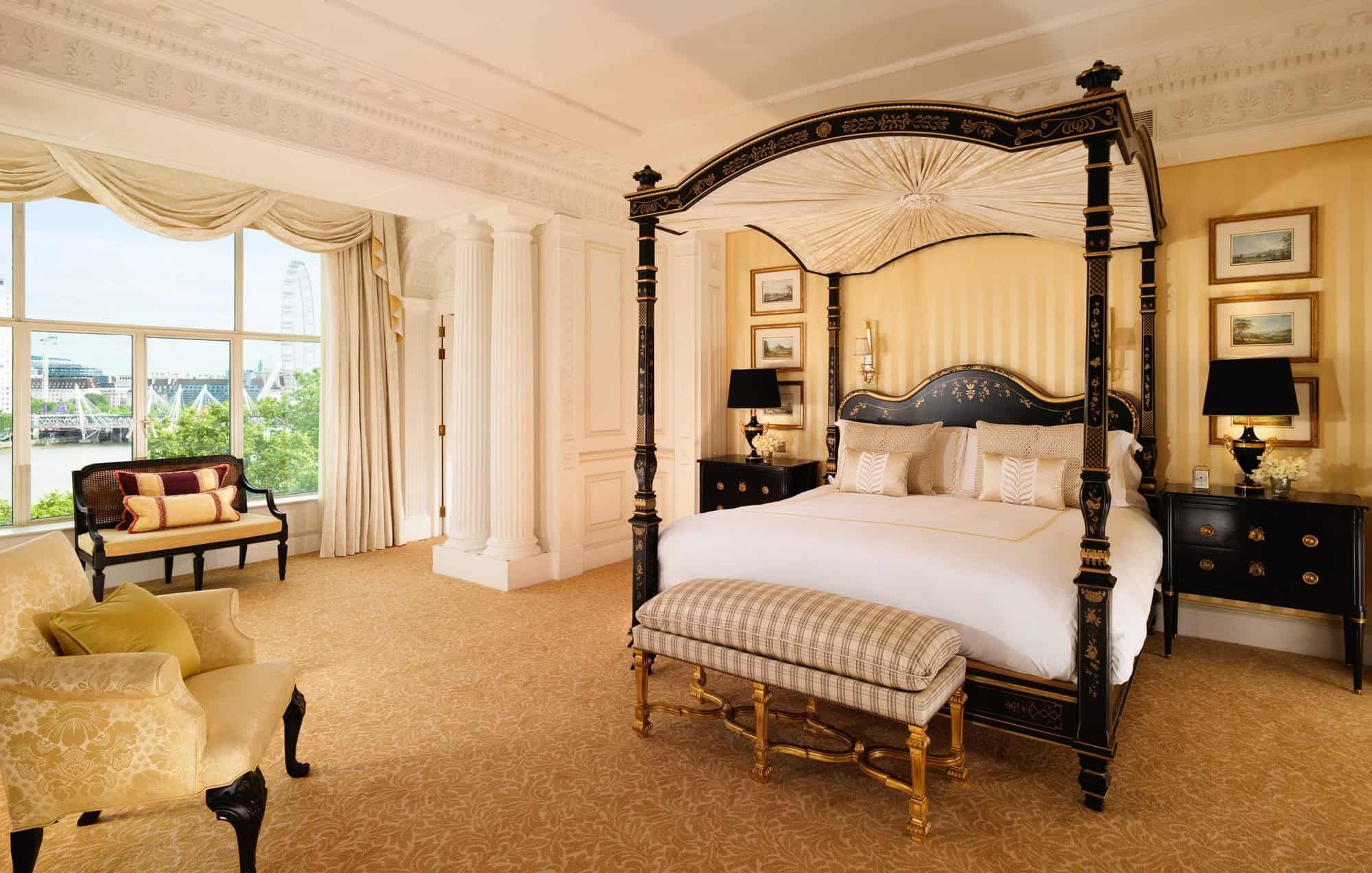
Rochon’s brief was to bring back the hotel’s two historic styles, Edwardian on the river side and Art Deco towards the Strand. In the Front Hall the reception desk was moved to the quieter Reading Room beyond, and the hall was given a new black and white marble floor, restored flame mahogany panelling and a repainted plaster frieze. At the heart of the hotel the Thames Foyer, where afternoon tea is served, is lit again from above: the glass dome had been covered since the Second World War, and a new stained-glass dome 7.5 metres across was made from a drawing of the original. Rochon placed a tall wrought-iron winter garden gazebo beneath it. Beside it the new Beaufort Bar, finished in black and gold leaf, uses the old stage where Carroll Gibbons and the Savoy Orpheans played and broadcast in the 1930s, while the American Bar was stripped out for new services and rebuilt to look much as it did before. Russell Sage Studio lined the Savoy Grill with gold-backed tortoiseshell panels and four Swarovski chandeliers and kept its original table plan, including Churchill’s favourite table. The Lancaster Ballroom was refurbished, the Gilbert and Sullivan dining rooms were rebuilt, among them the Pinafore Room with 41,000 brass studs set by hand into its oak panels, and a new Royal Suite runs along almost the whole river front on the fifth floor. Ceiling mouldings found in Room 208 were copied across the Edwardian rooms, and every guest room was given its own scheme, no two alike.
Photography and credits
The photographs open on Savoy Court and its famous canopy and then move between the exteriors and the restored interiors, from the Thames Foyer, the Front Hall and the Beaufort Bar to the Lancaster Ballroom, a lounge, the suites and a bedroom. The views of Savoy Court and the river front and two views inside the Front Hall are by Loco Steve, CVB (edited by Cart), David P Howard, Camerawalker and Anthony O’Neil, as credited on Wikimedia Commons; the restored interiors are from the 2010 reopening photographs by Richard Bryant of Arcaid, published by Pierre-Yves Rochon and ReardonSmith; and the dusk view across the Thames comes from the hotel’s own website, where the photographer is not named.
The Savoy gallery
Explore more on Archtene
- More projects by ReardonSmith Architects + Pierre-Yves Rochon + Thomas Edward Collcutt + Russell Sage Studio + Howard Robertson
- More projects in London
- More Hotel projects