Heatherwick Studio
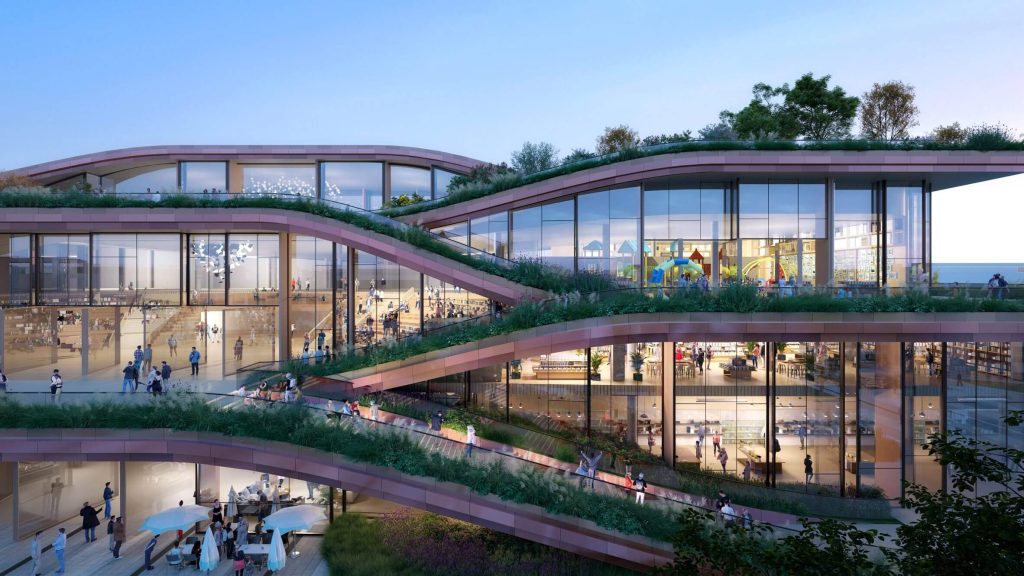
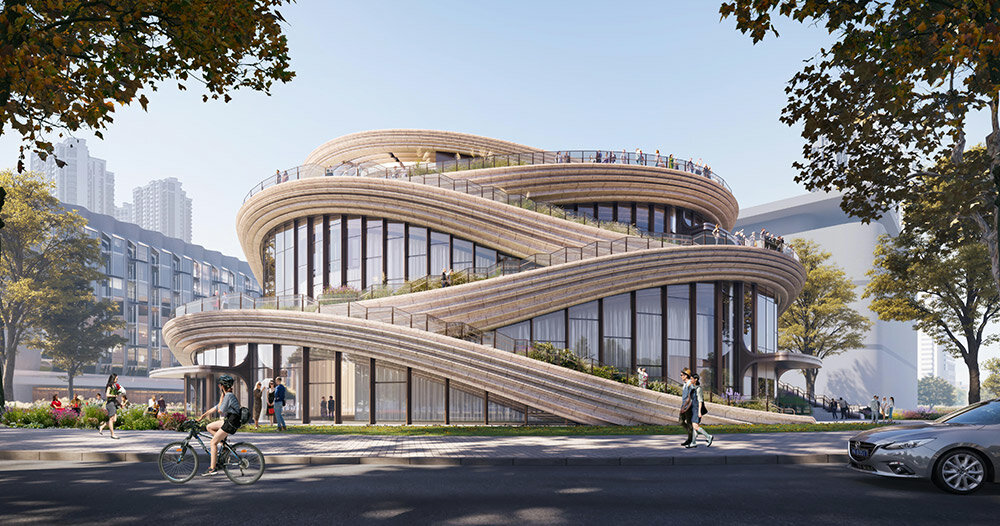
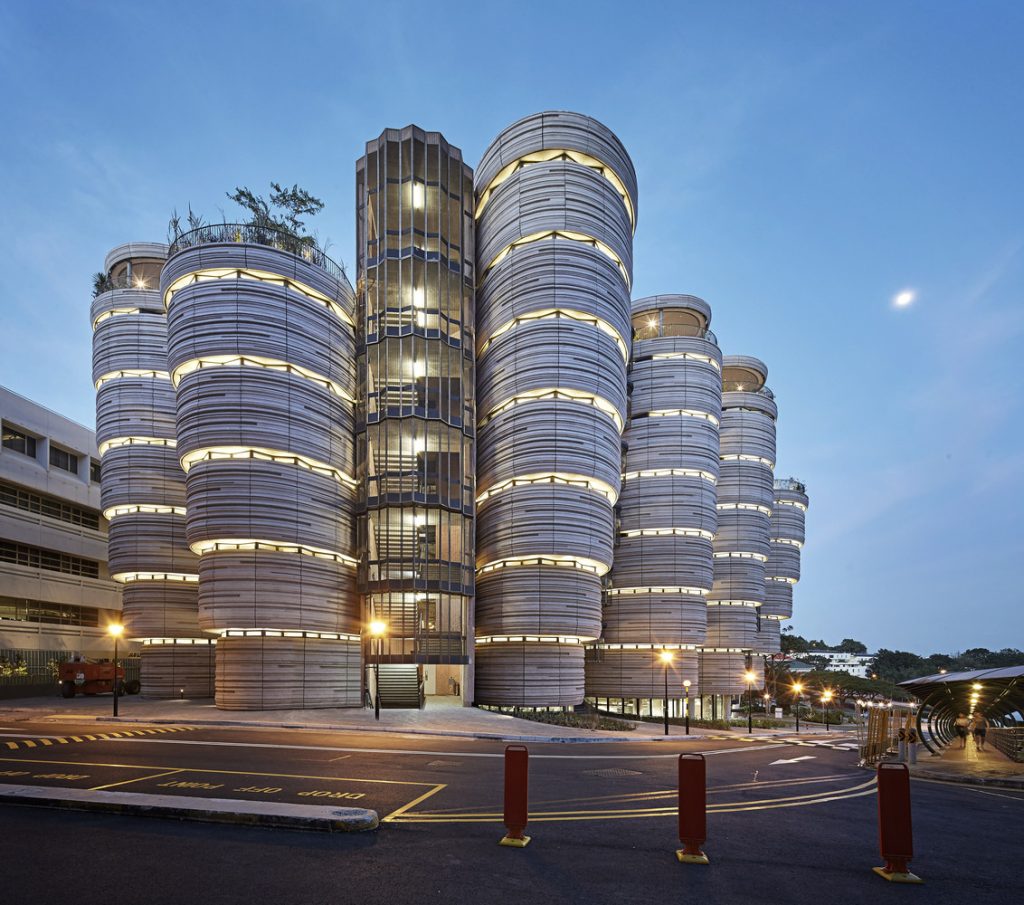
This archive presents selected projects by Heatherwick Studio, a London-based practice known for sculptural, human-centered designs. The collection spans libraries, universities, public spaces, and mixed-use developments across the UK, US, Asia, and Europe. Highlights include the undulating Learning Hub in Singapore, the elevated Little Island Park in New York, and the forthcoming Columbia Library in Maryland. Each project demonstrates the studio’s distinctive approach to form and materiality.


Explore Heatherwick Studio
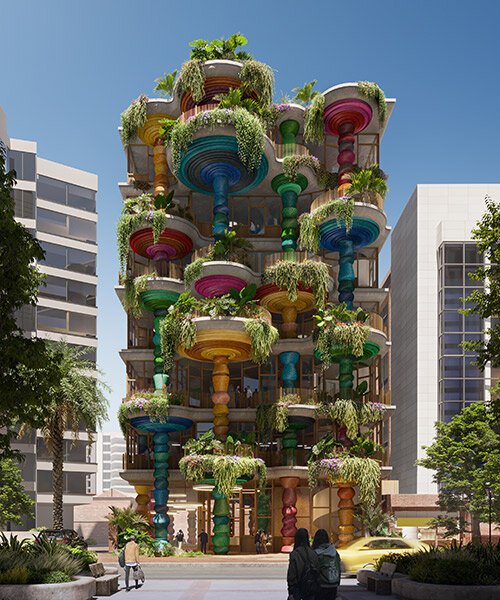
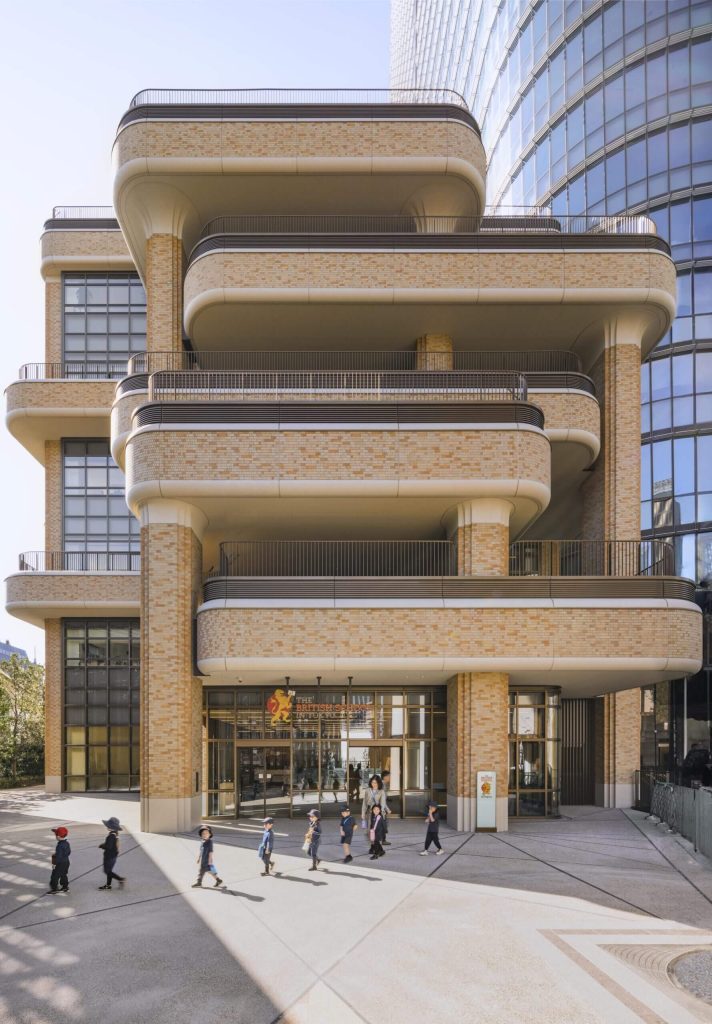
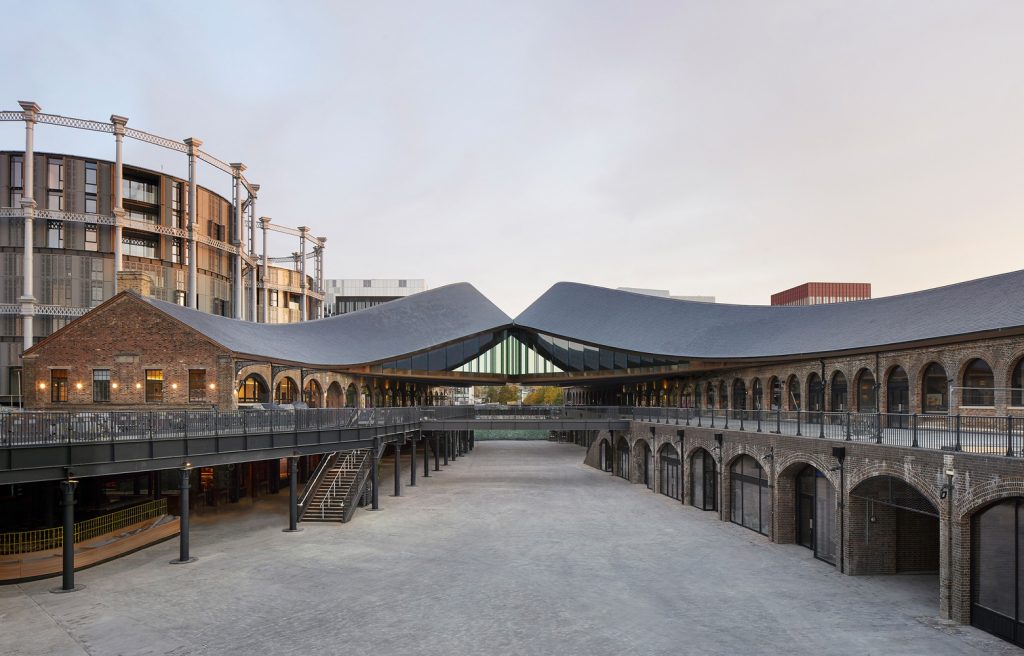
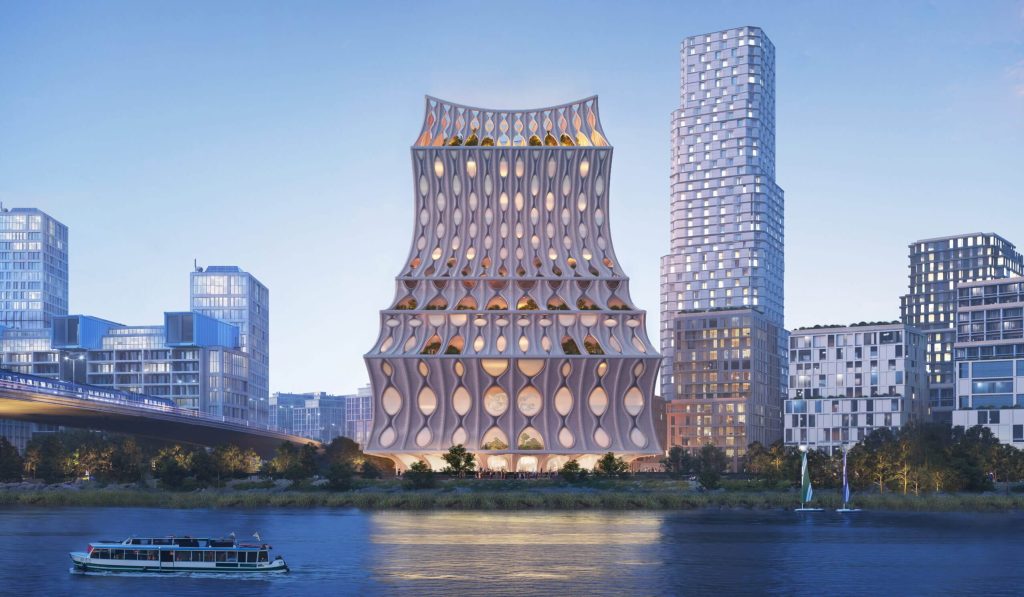
Heatherwick Studio’s work ranges from intimate healthcare centers like Maggie’s Leeds to large-scale urban interventions such as Shanghai’s 1000 Trees retail complex. Recent projects include Tokyo’s Azabudai Hills (2023) and the upcoming Birmingham City Stadium (2026), while earlier works like Coal Drops Yard (2018) showcase adaptive reuse. The studio frequently collaborates with photographers like Hufton+Crow and Iwan Baan, whose images capture the tactile quality of their architecture. Geographic diversity is evident, with projects in Colombia (Bogota EAN University), China (The Orbit), and the Netherlands (Urban Reef). Building types vary widely, from Google’s Bay View research campus to the lantern-like residential towers in New York. This selection offers architects and students a cross-section of the studio’s evolving portfolio, emphasizing public engagement and structural innovation.
FAQs
What building types does Heatherwick Studio design?
The studio’s portfolio includes libraries, universities, stadiums, healthcare centers, retail spaces, and public parks. Their work often blends multiple functions, as seen in mixed-use projects like Azabudai Hills and Oopen.
Where are Heatherwick Studio’s projects located?
Projects span four continents, with concentrations in the UK (London, Birmingham), US (New York, Mountain View), Asia (Tokyo, Shanghai), and Europe (Rotterdam, Utrecht). Several are upcoming in Colombia and China.
Which photographers document Heatherwick Studio’s work?
Frequent collaborators include Hufton+Crow, Iwan Baan, and Timothy Schenck, alongside the studio’s own documentation. Regional photographers like Kenji Masunaga (Tokyo) also contribute.
How does this collection help architecture students?
The archive provides comparative case studies across scales and programs, from small educational buildings to urban masterplans. Students can trace formal experimentation and material choices across 16 projects.