Most people walk through European cities and think they’ve “seen the architecture.”
They haven’t—they’ve skimmed it.
They’ve taken photos of façades without understanding why one building feels heavier than another, why a street suddenly opens up, or why a city like Prague feels immersive while others feel fragmented.
The difference isn’t beauty. It’s readability.
The best European city architecture walks don’t just show you buildings—they let you understand how a city was built, layer by layer. Prague happens to make that process obvious. Vienna refines it. Budapest complicates it. And smaller cities often reveal it more honestly.
Once you know what to look for, the experience changes completely.
Why Prague Set the Standard for Architecture Walks
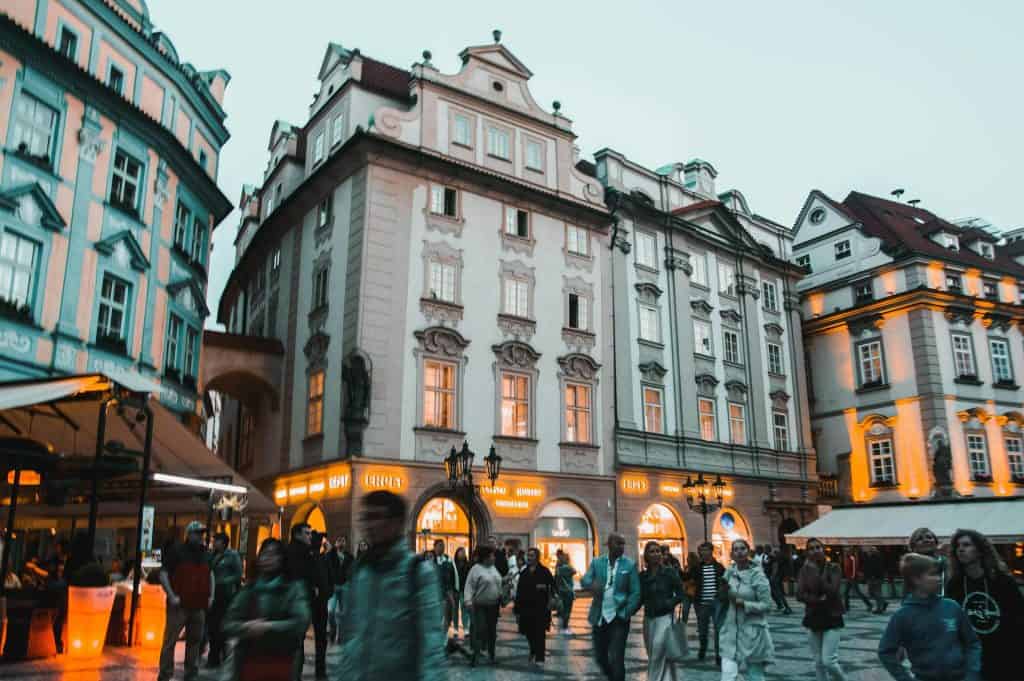
Prague is often the turning point for architecture-focused travel because it’s unusually legible.
The city compresses multiple eras into a tight, walkable core—but more importantly, it doesn’t hide the transitions. Gothic structures don’t fade quietly into Baroque—they clash. Cubist buildings don’t blend in—they interrupt.
That friction is what makes the city readable.
If you’ve studied the breakdown of Prague architectural styles, you’ll notice something important: the styles aren’t just preserved, they’re juxtaposed. That’s what makes Prague feel dense without being overwhelming.
But there’s a hidden downside.
Prague trains your eye to expect obvious contrast. And most cities don’t work like that.
Vienna smooths transitions. Budapest fractures them. Amsterdam repeats instead of contrasts.
So once you leave Prague, you need to upgrade how you observe.
Vienna Architecture Walk: Control, Power, and Intentional Design
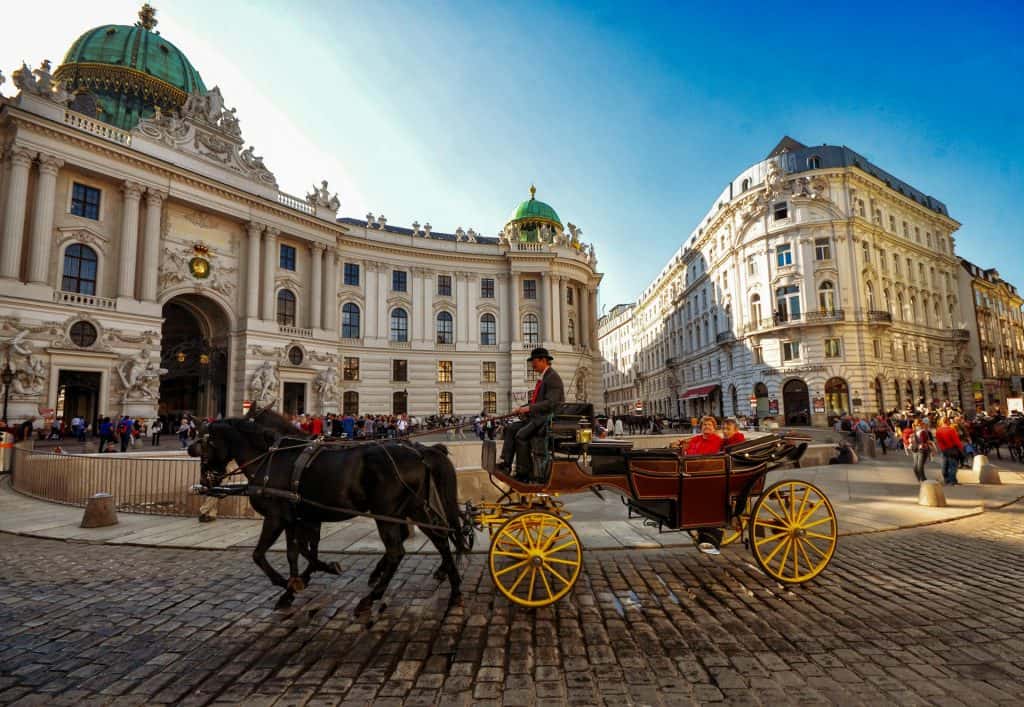
Vienna doesn’t feel accidental.
That’s because it isn’t.
Unlike cities that evolved organically, Vienna—especially its central districts—was heavily shaped by imperial planning. The result is architecture that feels consistent, deliberate, and often restrained.
The Ringstrasse: Architecture as Messaging
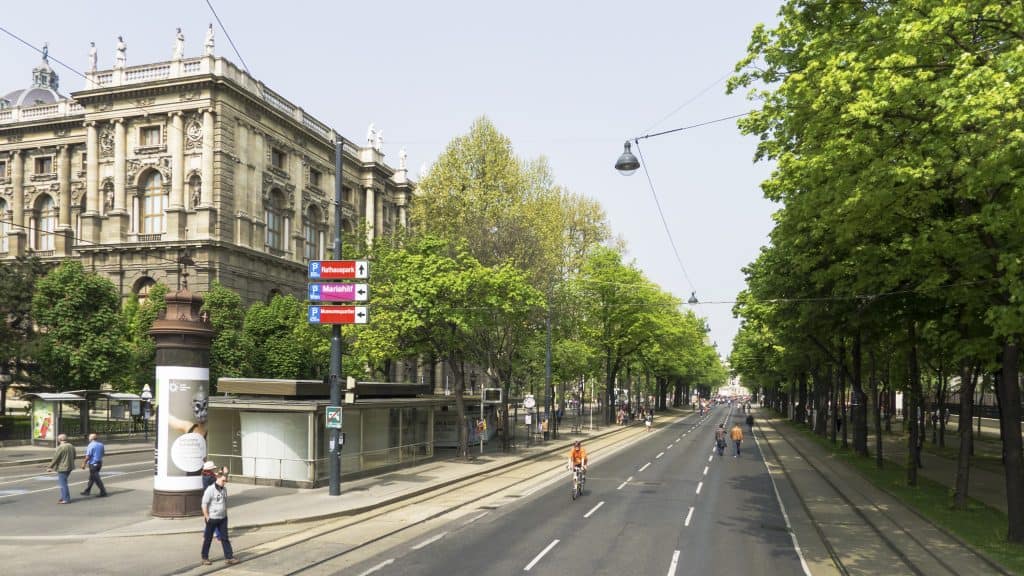
The Ringstrasse is one of the clearest examples of architecture used as political language.
When Vienna replaced its medieval walls with this grand boulevard, it wasn’t just urban expansion—it was branding. Every major building along the route was designed in a specific historical style to communicate authority:
- Greek Revival for democratic legitimacy (Parliament)
- Gothic Revival for tradition and continuity (City Hall)
- Renaissance for cultural sophistication (Opera House)
What makes this different from Prague is coordination. In Prague, styles collide. In Vienna, they’re curated side by side.
You’re not seeing evolution—you’re seeing selection.
And that makes Vienna one of the best cities to understand how architecture can be used intentionally, not just historically.
Secession Vienna: Where the Narrative Breaks
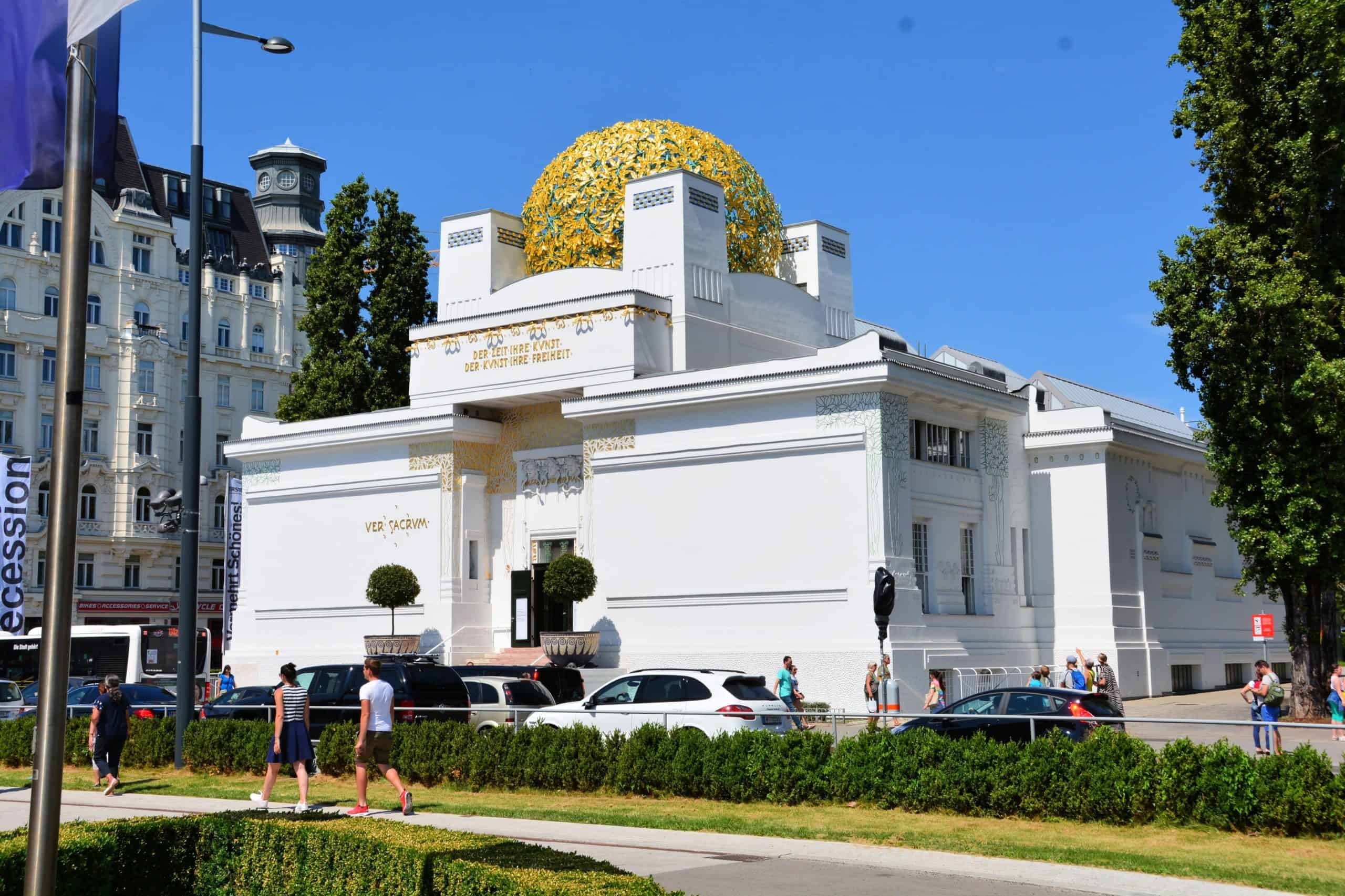
Then, unexpectedly, Vienna disrupts itself.
The Secession movement rejected historical imitation and introduced a radically different approach: geometry, function, and abstraction.
What’s interesting isn’t just the style—it’s the timing.
This shift marks one of the earliest visible breaks between traditional architecture and modernism, a divide that still defines design today. You can trace that tension directly into contemporary debates like those discussed in the problem with modern architecture.
Vienna is one of the few places where you can walk from imperial symbolism into early modern rebellion within minutes.
That contrast is subtle—but once you see it, it reshapes how you read every other city.
Budapest Architecture Walk: A City That Doesn’t Hide Its Scars
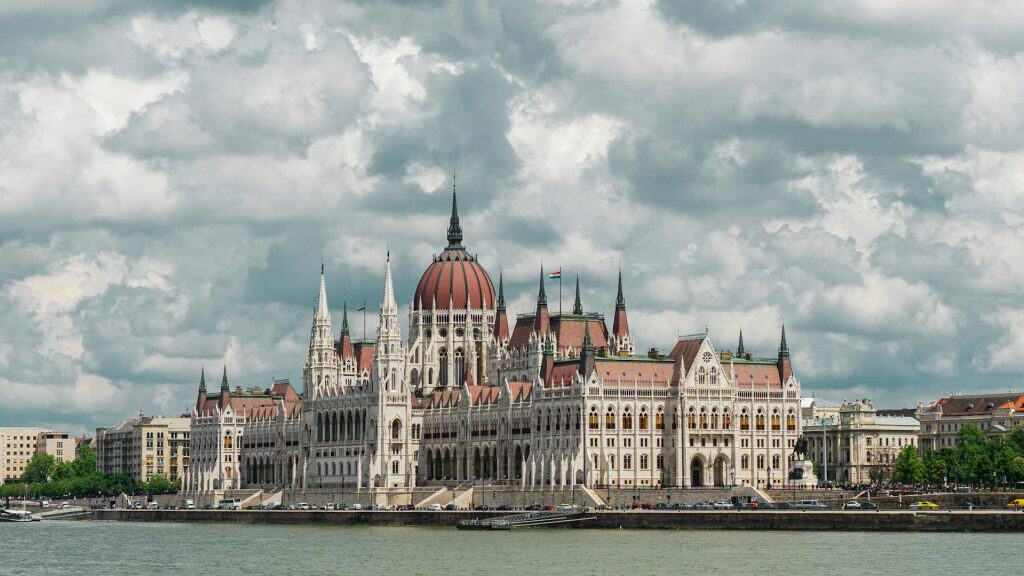
If Vienna is controlled, Budapest is exposed.
Its architecture reflects conflict, occupation, destruction, and rebuilding. Instead of smoothing over those changes, the city reveals them.
Buda: A Layered Architectural Timeline
On the Buda side, the Castle District feels cohesive at first glance—but that cohesion is deceptive.
Much of what you see has been rebuilt, often multiple times. Medieval structures were damaged, replaced with Baroque forms, and later restored with 19th-century interpretations of earlier styles.
This creates a layered effect where buildings aren’t purely Gothic or Baroque—they’re interpretations of those styles through different eras.
Matthias Church is the clearest example. It isn’t just one style—it’s a sequence of revisions.
Understanding that kind of architectural layering becomes much easier when you recognize how religion and empire shaped design across Europe, something explored in Christian architecture around the world.
Pest: Expression Over Restraint
Pest feels like a release of pressure.
Here, architecture becomes more expressive—especially through Hungarian Art Nouveau. Buildings incorporate color, pattern, and national identity in ways that feel less constrained than Vienna’s formalism.
But the key difference is this:
Vienna tells you what to look at.
Budapest makes you work for it.
And that effort changes how you engage with the city. You start scanning for inconsistencies, looking for breaks in pattern, noticing details that aren’t immediately obvious.
Budapest doesn’t guide your eye—it trains it.
Beyond Prague: Where Architecture Becomes Easier to Read
The biggest opportunity for architecture-focused travel isn’t in the major cities—it’s in the ones people skip.
Smaller cities often have fewer layers, which makes their structure easier to understand.
Bratislava: Immediate Contrast
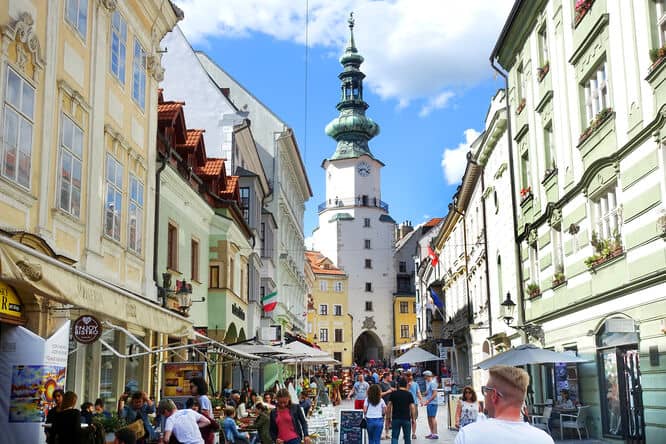
Bratislava is one of the fastest cities to “read.”
Within minutes, you can move from medieval streets to stark socialist housing blocks. There’s no attempt to soften or integrate these transitions.
They’re abrupt—and that’s what makes them clear.
Kraków: Stability and Preservation
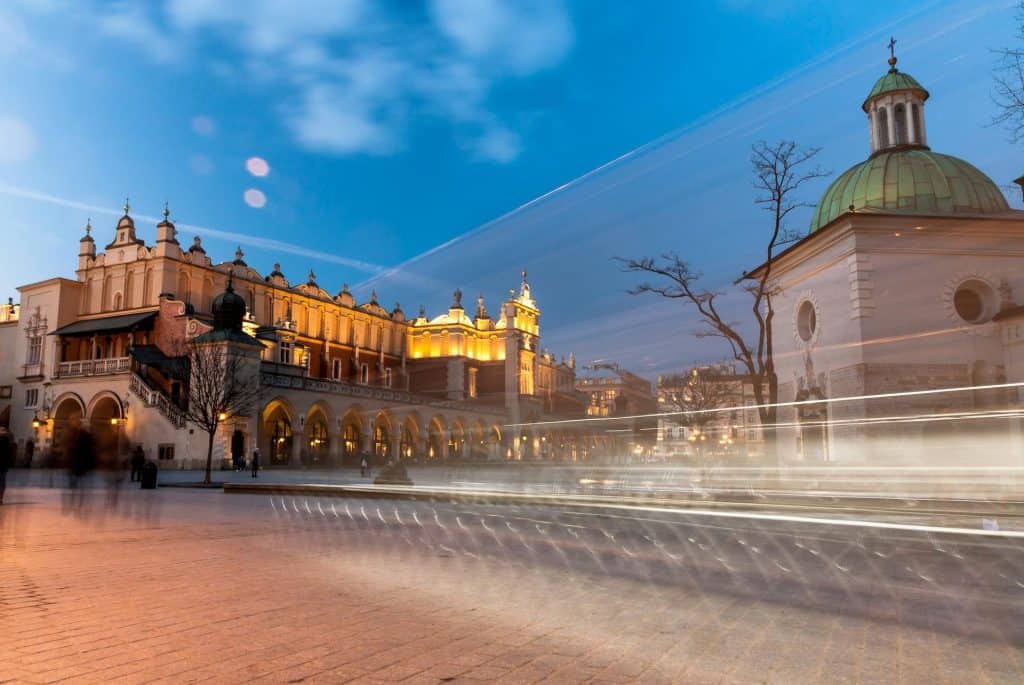
Kraków offers the opposite experience.
Instead of contrast, it gives continuity. Gothic and Renaissance architecture remain largely intact, allowing you to see how a city evolves without major disruption.
That makes it one of the best places to understand architectural consistency.
Ljubljana: Designed Cohesion
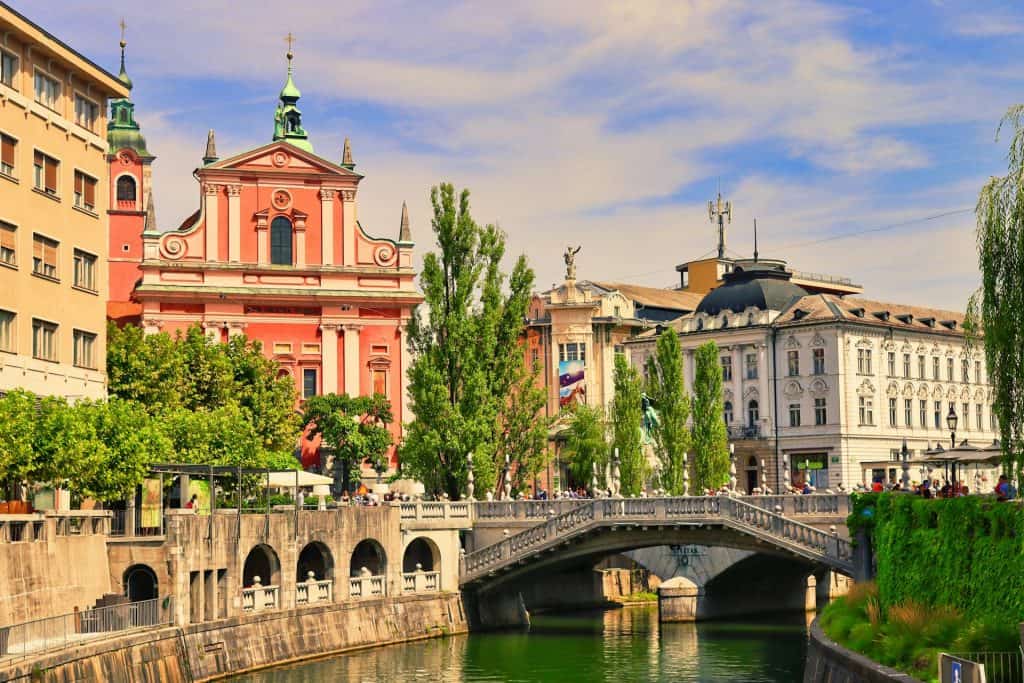
Ljubljana feels different because much of it was shaped by a single architect.
The result is a city that feels intentional at a human scale—cohesive without being repetitive.
Cities like these are often overlooked but frequently highlighted in collections of hidden architecture sites that reward slower, more focused exploration.
What Most People Miss on Architecture Walks
Even in the right cities, most people still miss the point.
They focus on landmarks instead of systems.
Here’s what actually matters:
1. Street Width and Spatial Design
Narrow medieval streets create compression. Large boulevards create release. That shift affects how architecture feels, not just how it looks.
2. Material Transitions
Stone, stucco, brick—these aren’t just aesthetic choices. They reflect local resources, climate, and technology.
3. Repetition vs Variation
Cities like Amsterdam rely on repetition with subtle variation. Cities like Prague rely on contrast. Recognizing which system you’re in changes how you observe.
This is where understanding timeless architecture becomes useful. The buildings that stand out across cities usually resolve proportion, material, and context in a way that feels stable—even when styles change.
Amsterdam: Precision, Repetition, and Subtle Complexity
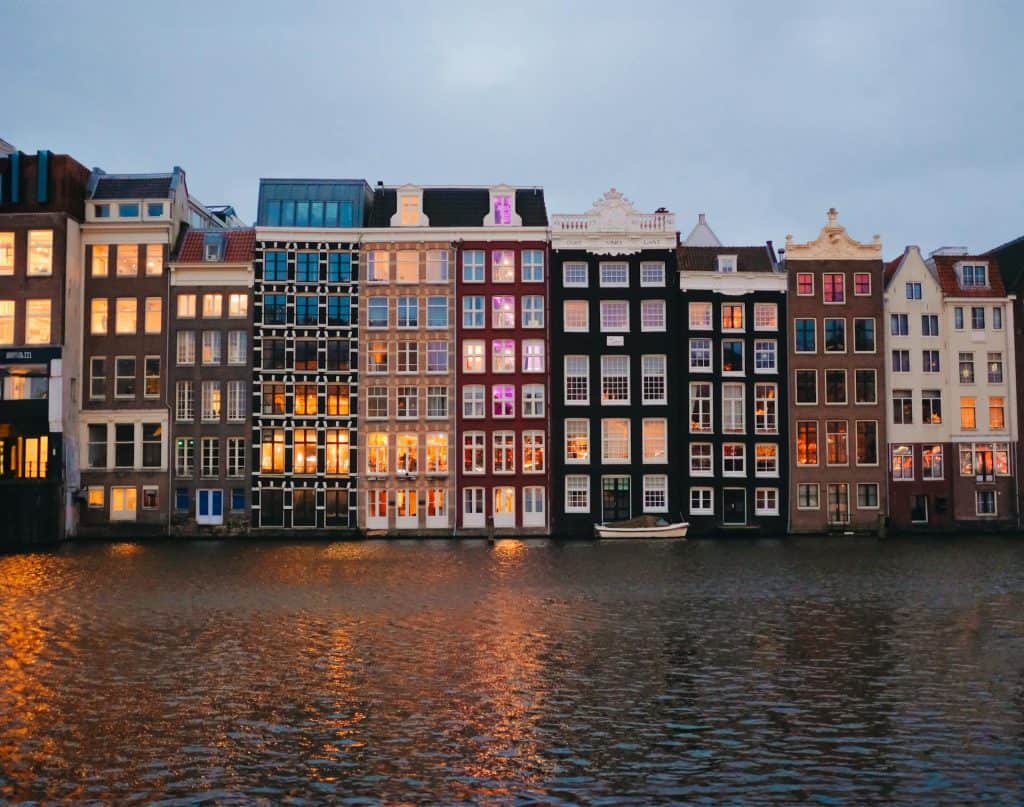
After Central Europe, Amsterdam can feel almost quiet.
There are no dramatic shifts between Gothic and Baroque. Instead, you get consistency—rows of canal houses built within strict constraints.
But those constraints create complexity.
Each house is slightly different:
- Gable shapes vary
- Window spacing shifts
- Decorative details change
If you’ve explored Amsterdam canal house design, you’ll know the real depth is in those small differences.
Amsterdam teaches a different skill:
Instead of scanning for contrast, you start comparing nuance.
And once you develop that skill, even cities like Vienna start to reveal more detail.
How to Plan an Architecture Walk That Actually Teaches You Something
Most architecture walks fail for one reason: they’re passive.
You walk, you look, you move on.
To get more out of it, you need a structure.
Start with One Narrative
Don’t try to understand everything.
Pick one lens:
- Historical transitions
- Materials
- Urban planning
Then follow that thread through the city.
Limit Your Route
More walking doesn’t equal more understanding.
Two to three focused districts will teach you more than an entire day of scattered landmarks.
Compare as You Go
The fastest way to improve your eye is comparison.
That’s why it helps to occasionally connect what you’re seeing with larger global benchmarks, like those featured in top architecture wonders of the 21st century.
It gives you a reference point beyond Europe.
European City Architecture Walks: The Real Shift
The real value of European city architecture walks isn’t the buildings.
It’s the shift in perception.
At first, you see landmarks.
Then you see styles.
Then you see transitions.
Eventually, you see systems.
Prague introduces that way of thinking.
Vienna shows you how architecture can be controlled and intentional.
Budapest shows you what happens when history disrupts that control.
And smaller cities reveal the structure more clearly.
Once that clicks, every city becomes readable.
Recent Posts
Architectural Section Drawing: 14 Styles to Inspire You
Romanesque Architecture Explained: Arches, Mass, and Monastic Power
Neoclassical Architecture Explained: Order, Symmetry, and Democratic Ideals