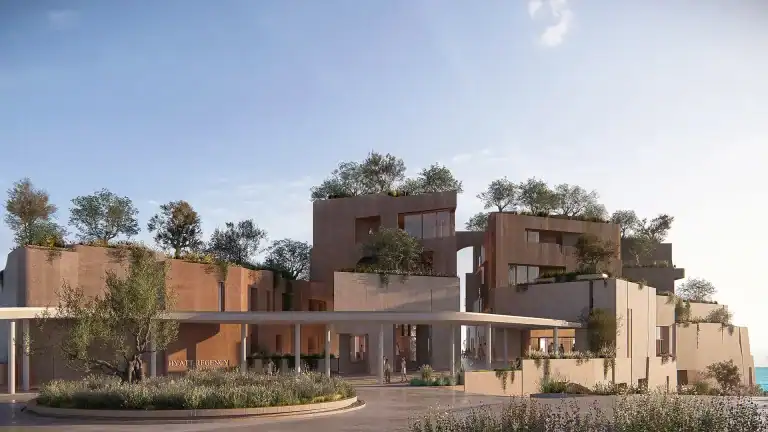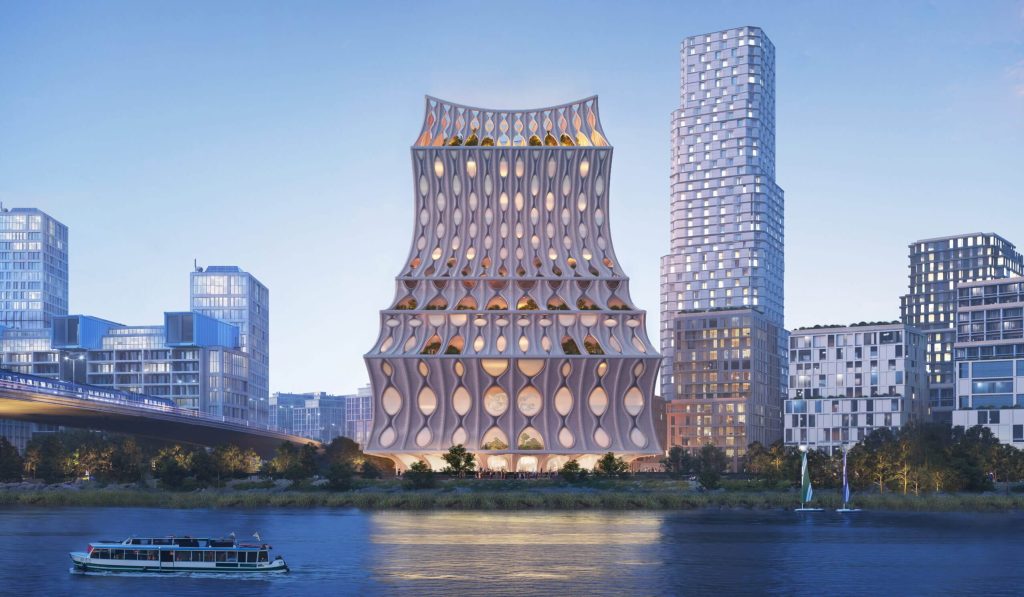
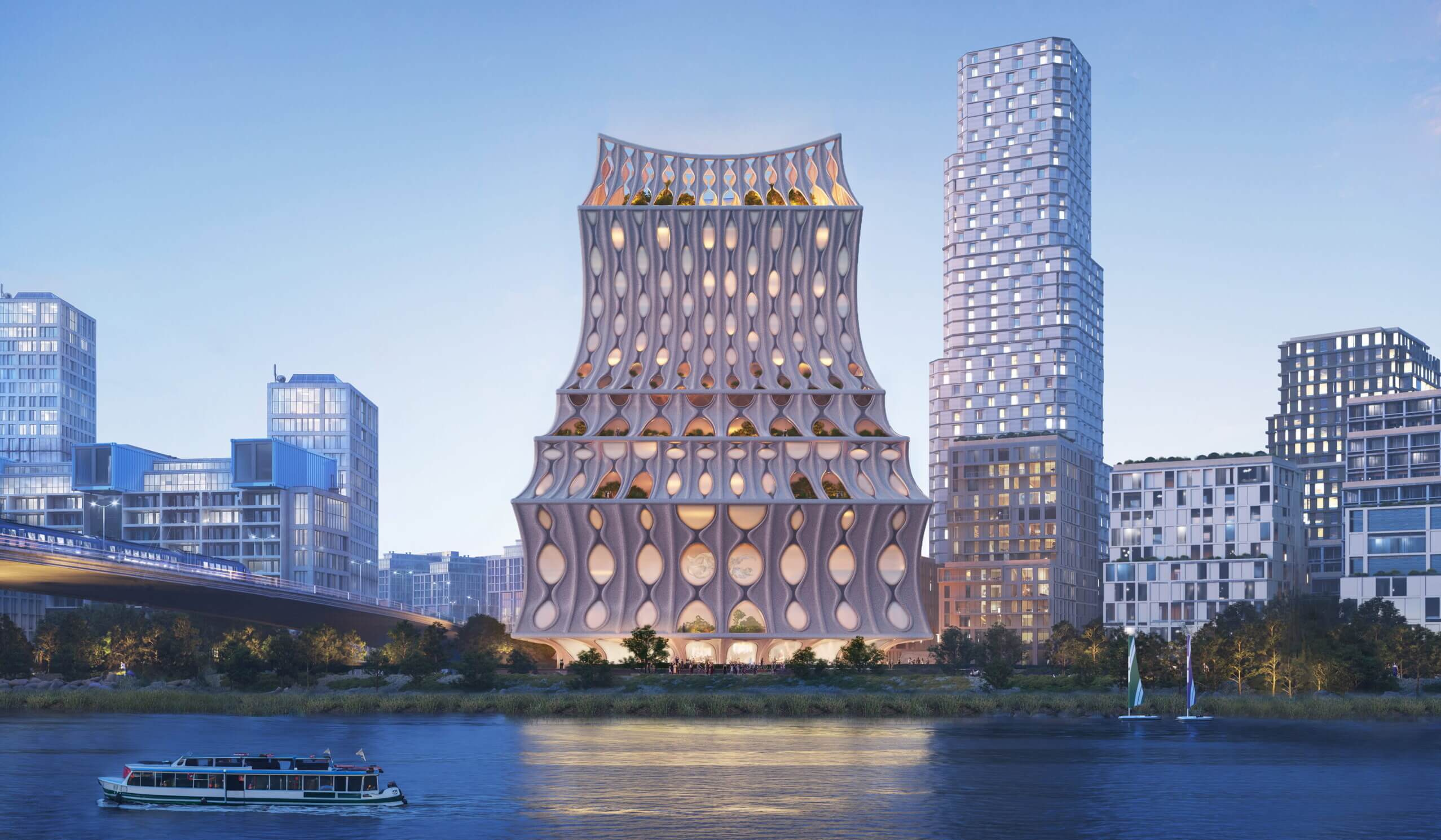
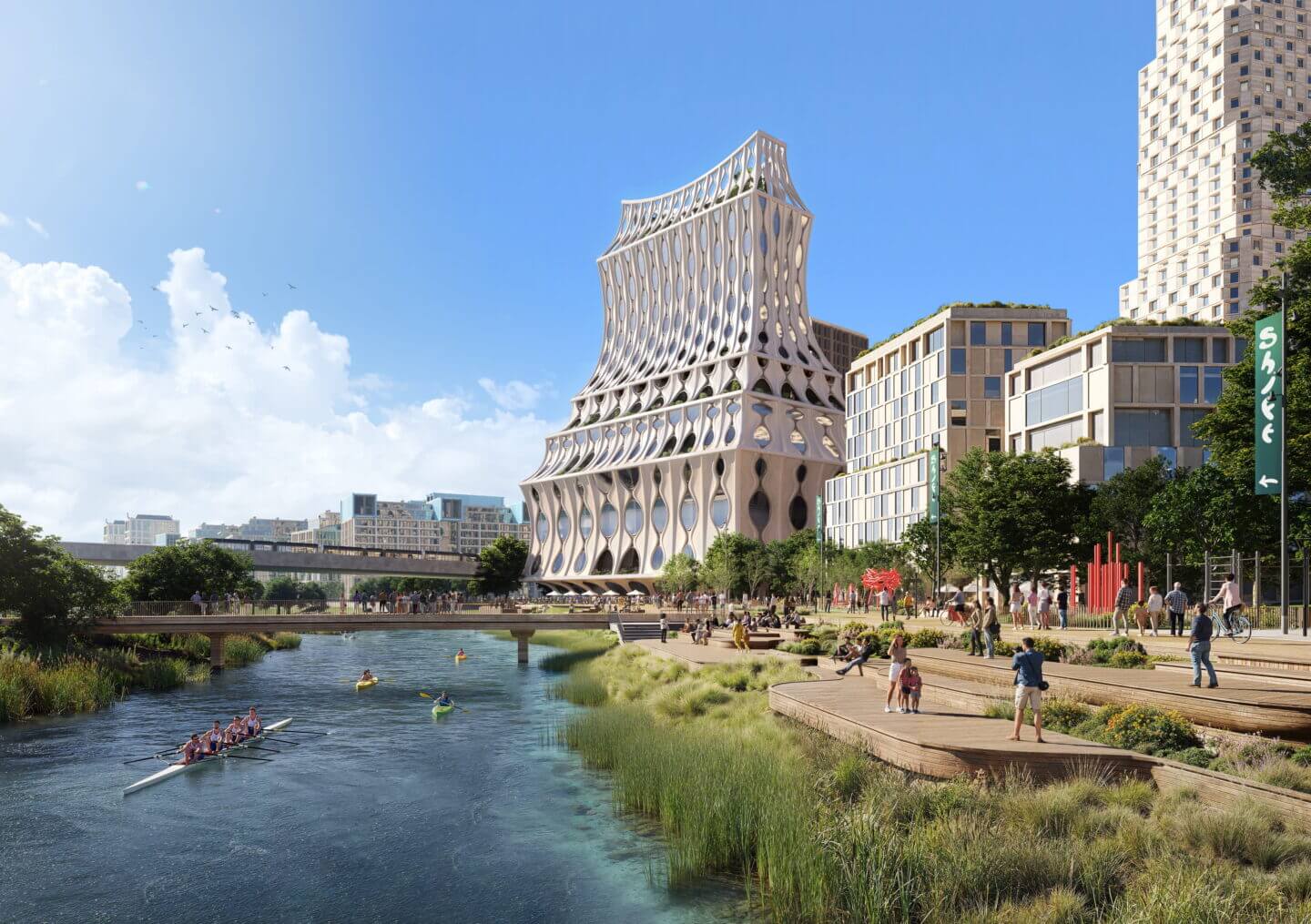
Heatherwick Studio’s “Urban Reef” is a visionary proposal for Rotterdam’s emerging Waterkant district, aiming to redefine public spaces by integrating sustainability and community engagement. This design is among five shortlisted concepts for the Shift Landmark competition, which seeks to create a €240 million, 25,000–30,000 m² building that embodies circular living principles.
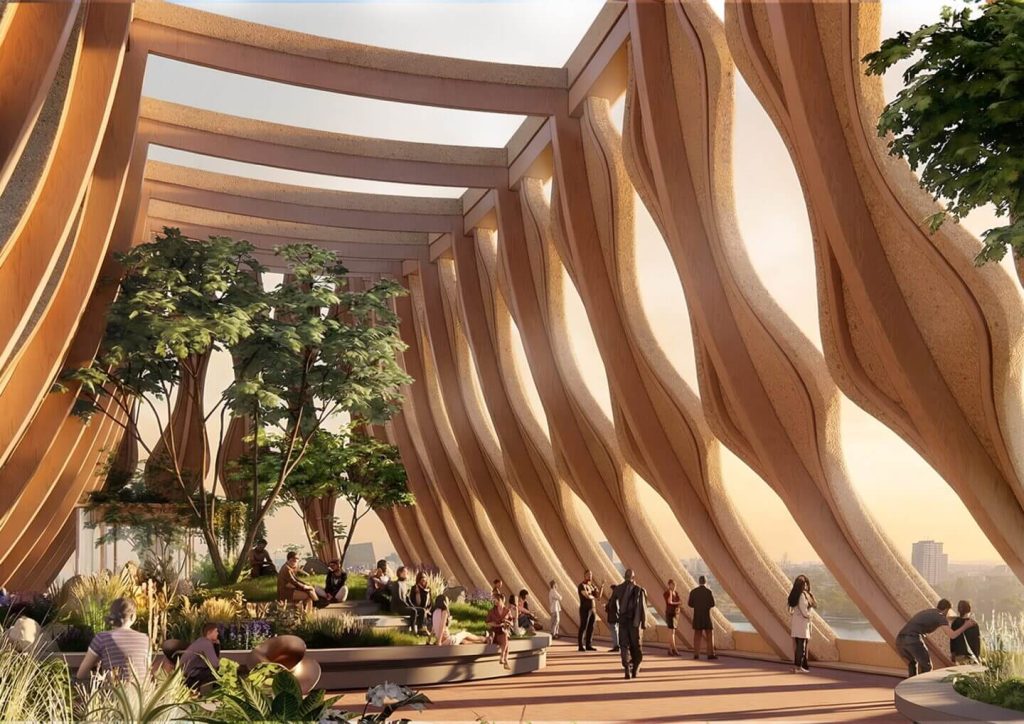
The “Urban Reef” concept draws inspiration from the intricate structures of coral reefs, proposing a building composed of six interrelated layers that support and enhance each other. This layered approach is intended to foster a dynamic environment where various activities and spaces coexist harmoniously, encouraging social interaction and a deeper understanding of sustainable living practices.
Central to the design is the creation of a porous structure that blurs the boundaries between public and private realms. By allowing glimpses into the building’s interior, the design aims to invite curiosity and engagement from passersby, making the space feel accessible and welcoming. This openness is intended to draw people in, fostering a sense of community and shared purpose.
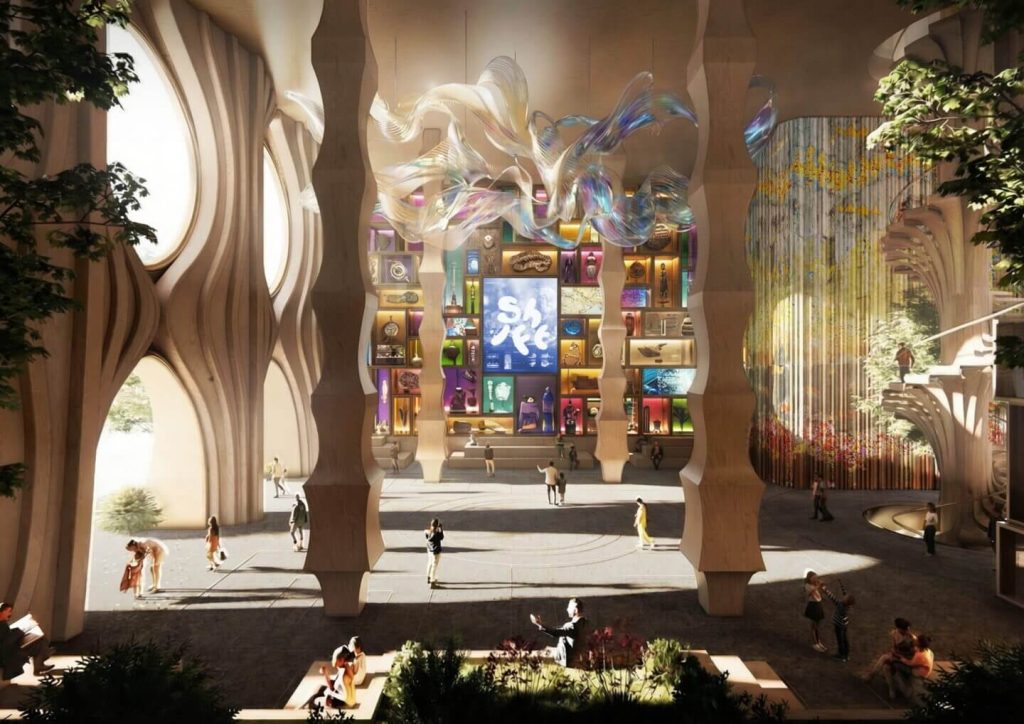
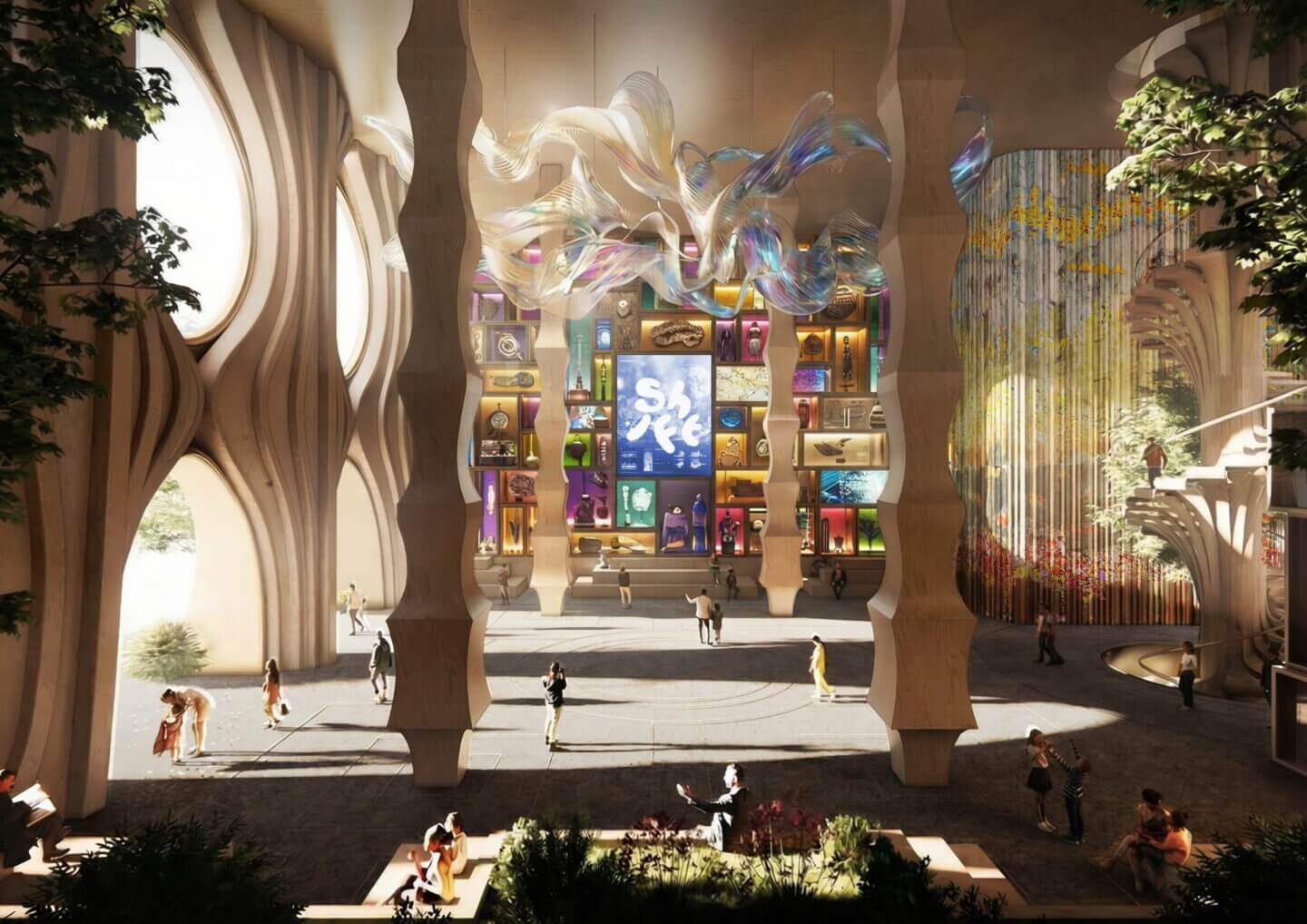
The building’s interior is envisioned as a series of interconnected spaces that promote exploration and chance encounters. This design strategy is intended to encourage visitors to move through the space organically, discovering new areas and engaging with diverse activities. The interconnectedness of these spaces is meant to reflect the interconnectedness of sustainable practices in daily life.
Sustainability is at the core of the “Urban Reef” proposal. The design incorporates modular components that can be rearranged as needed, allowing the building to adapt over time and reducing embodied carbon. The use of recyclable and biobased materials for the exterior skin and interior finishes is intended to minimize environmental impact and promote a circular economy.
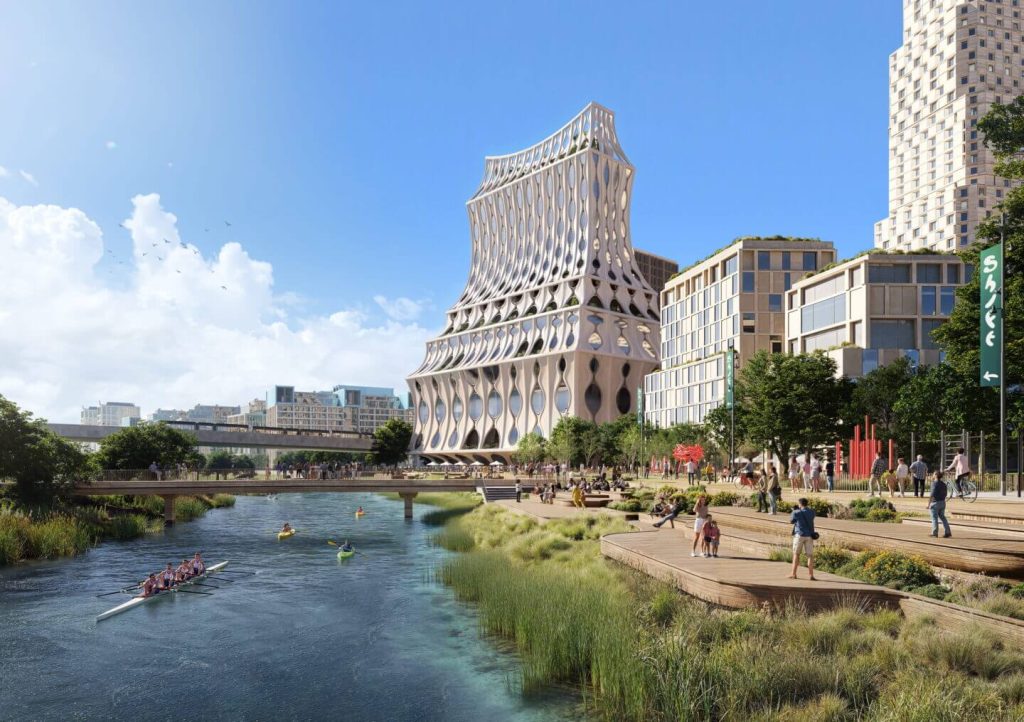
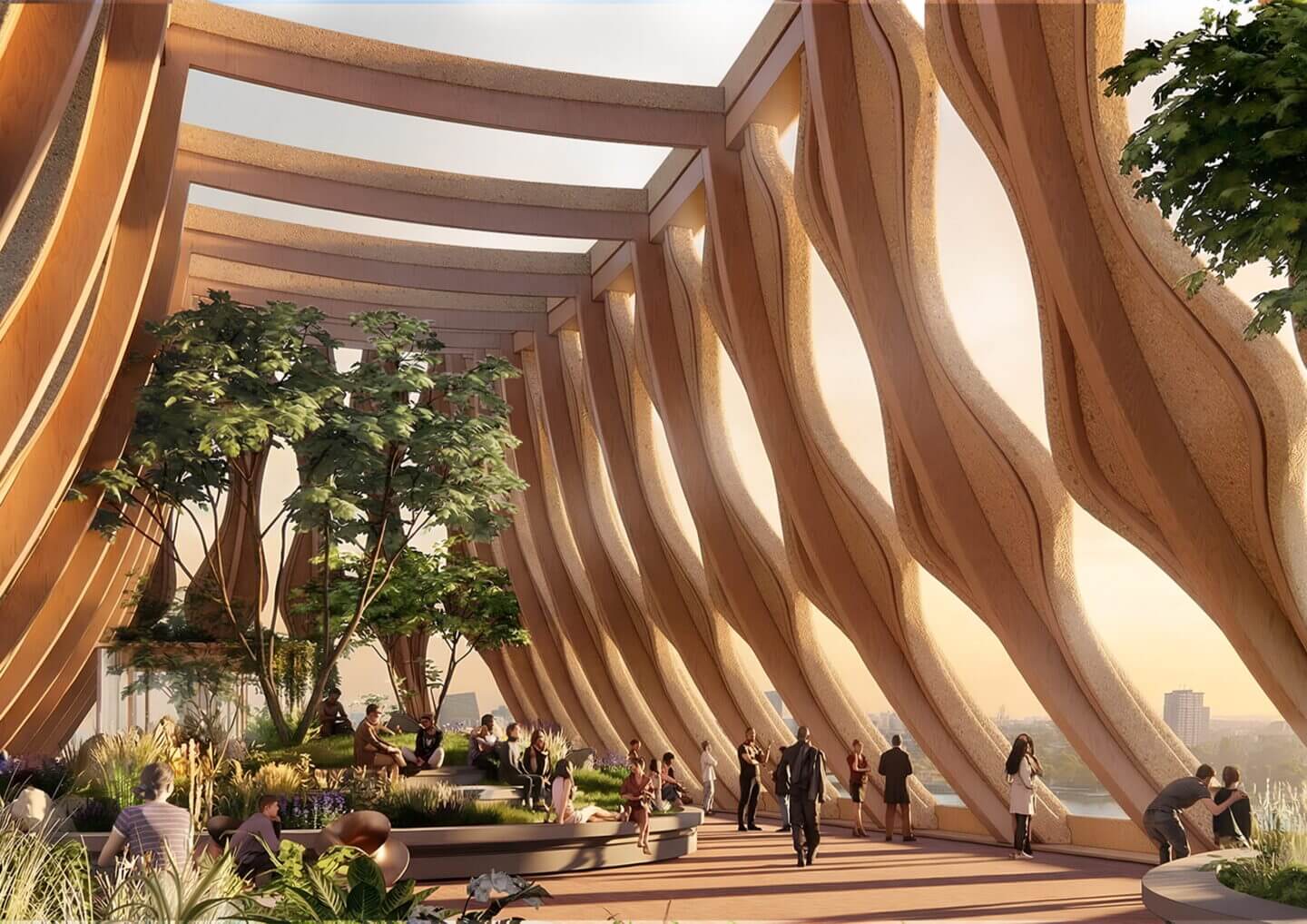
The surrounding landscape is designed to support biodiversity, with outdoor rooms and planted terraces that provide habitats for indigenous species. These green spaces are intended to offer visitors peaceful moments while contributing to the ecological health of the area. The integration of nature into the design reflects a commitment to environmental stewardship and enhances the overall aesthetic appeal of the space.
Natural ventilation strategies and daylit interiors are incorporated to enhance the building’s energy efficiency and create a comfortable environment for occupants. Integrated water management technologies are also part of the design, aiming to address environmental challenges and promote sustainable urban living.
The “Urban Reef” proposal is part of a broader initiative by Shift, a steward-owned social enterprise, to create landmarks that make sustainable living tangible and inspiring for individuals, communities, and organizations. The winning design is expected to be announced in spring 2026, followed by a participatory process with local communities to refine and realize the project.
If realized, “Urban Reef” has the potential to become a significant addition to Rotterdam’s architectural landscape, embodying the city’s commitment to innovation and sustainability. The project aligns with Rotterdam’s ongoing efforts to transform its urban environment into a model of resilience and ecological harmony.
In summary, Heatherwick Studio’s “Urban Reef” offers a compelling vision for a sustainable and community-focused public space in Rotterdam. Through its innovative design and commitment to environmental principles, the project aims to inspire a shift towards more sustainable urban living, making it a noteworthy contender in the Shift Landmark competition.
Gallery
Explore more on Archtene
- More projects by Heatherwick Studio
- More projects in Netherlands
- More Public Space projects