Teatro Colón by Francesco Tamburini + Vittorio Meano + Julio Dormal in Buenos Aires, Argentina
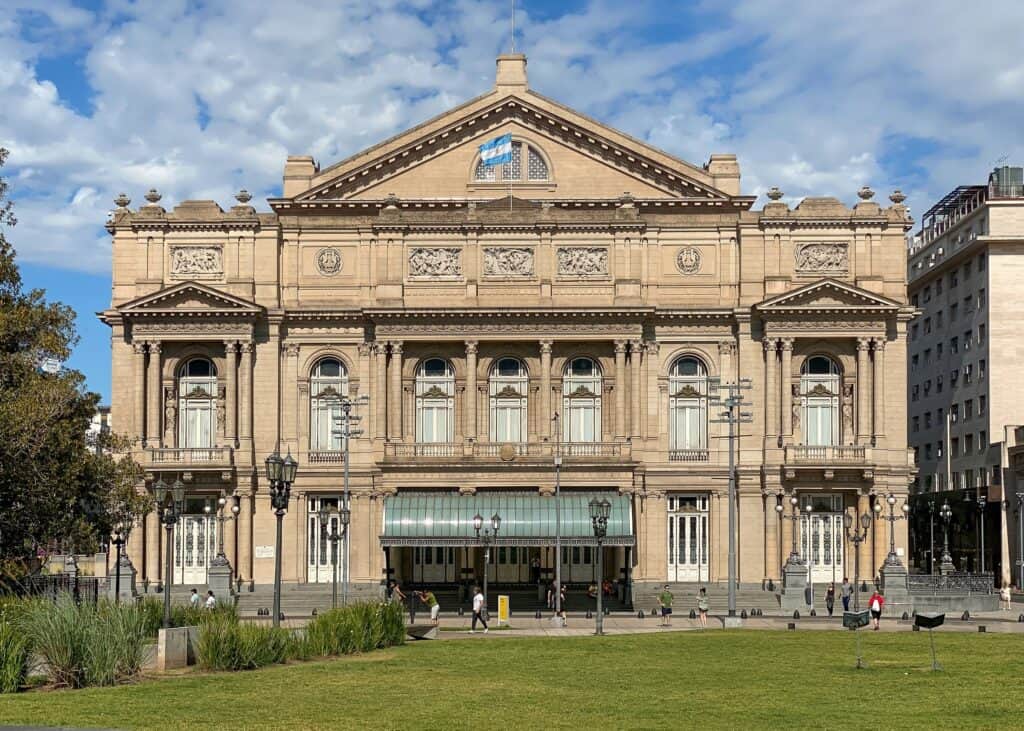
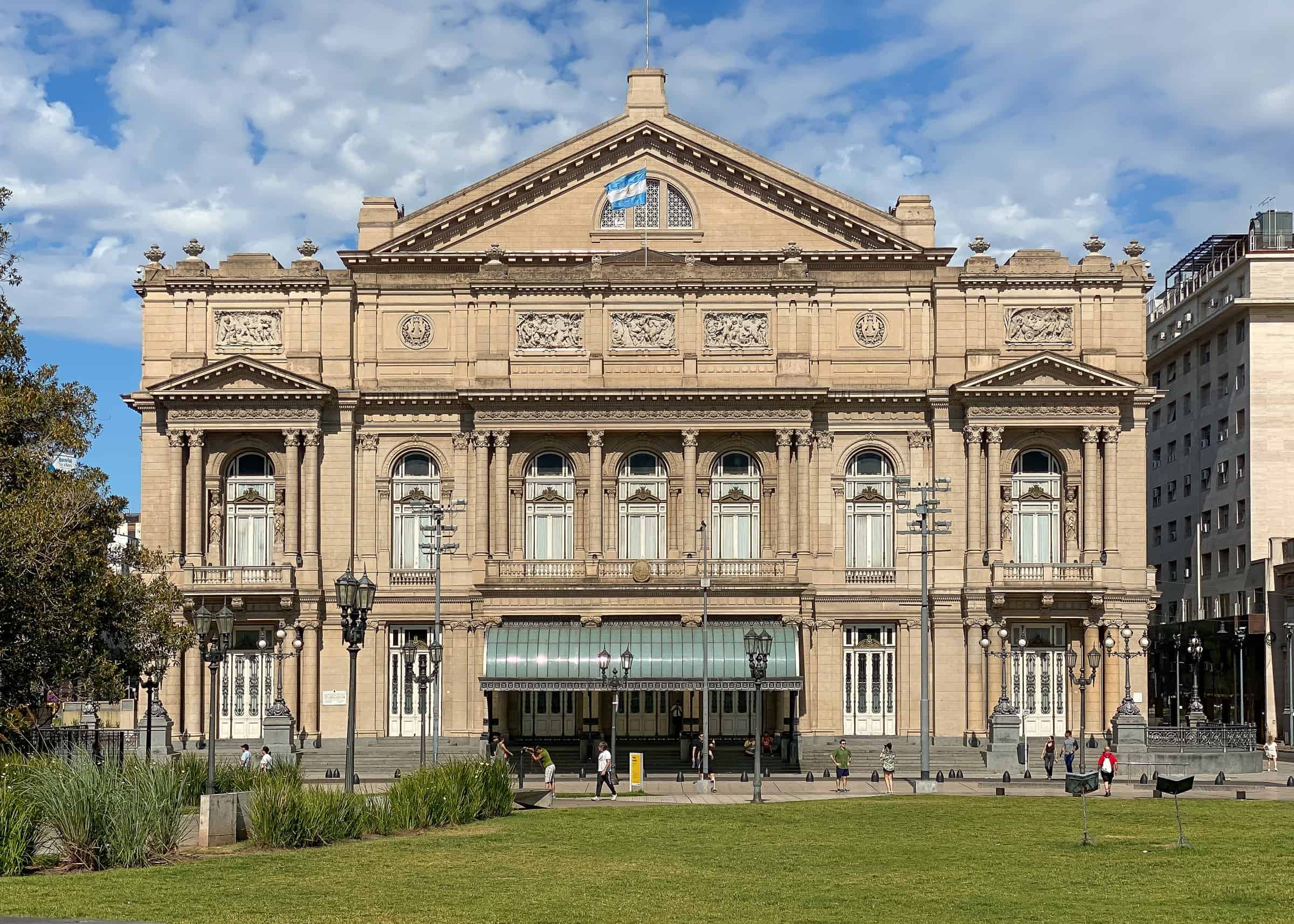
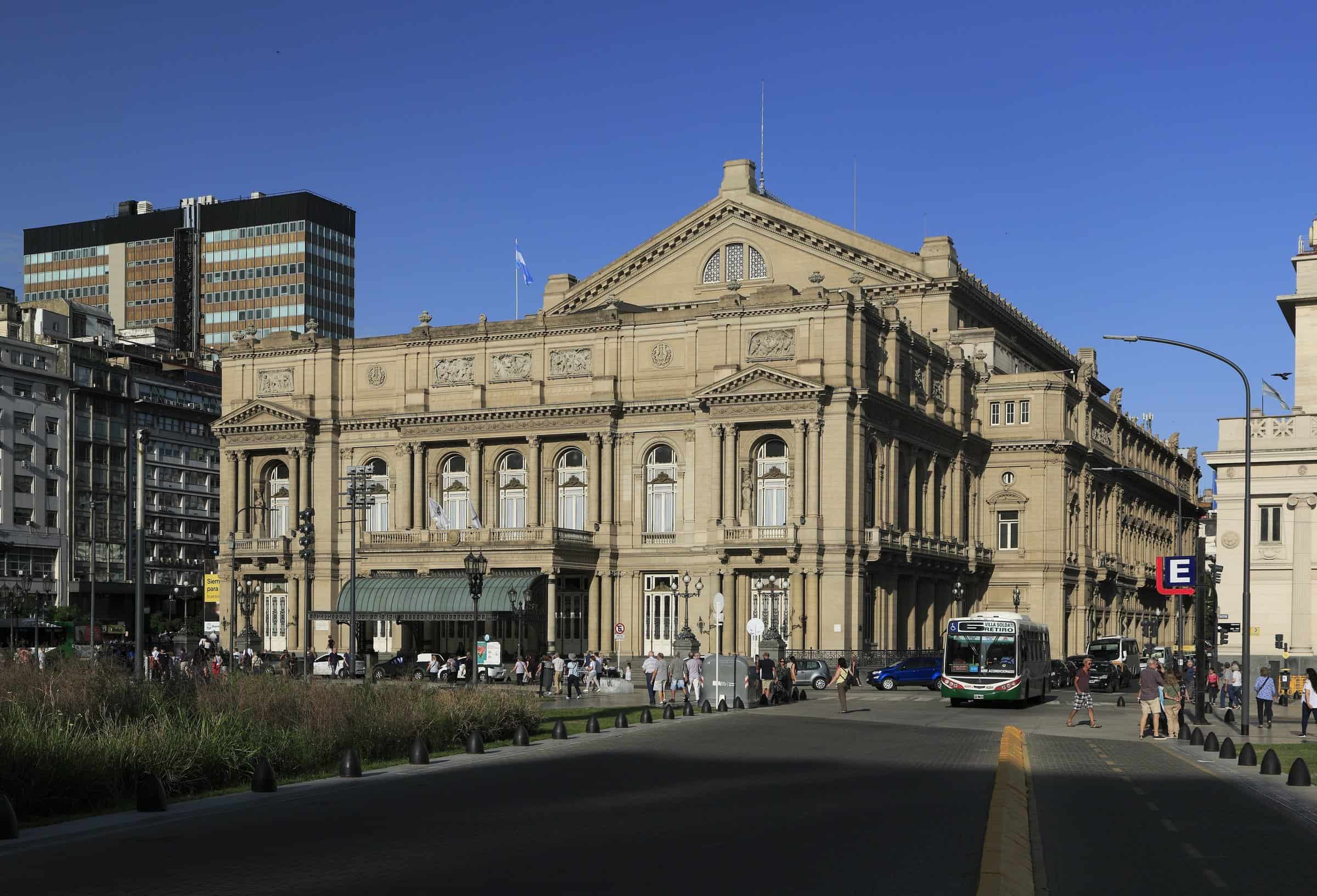
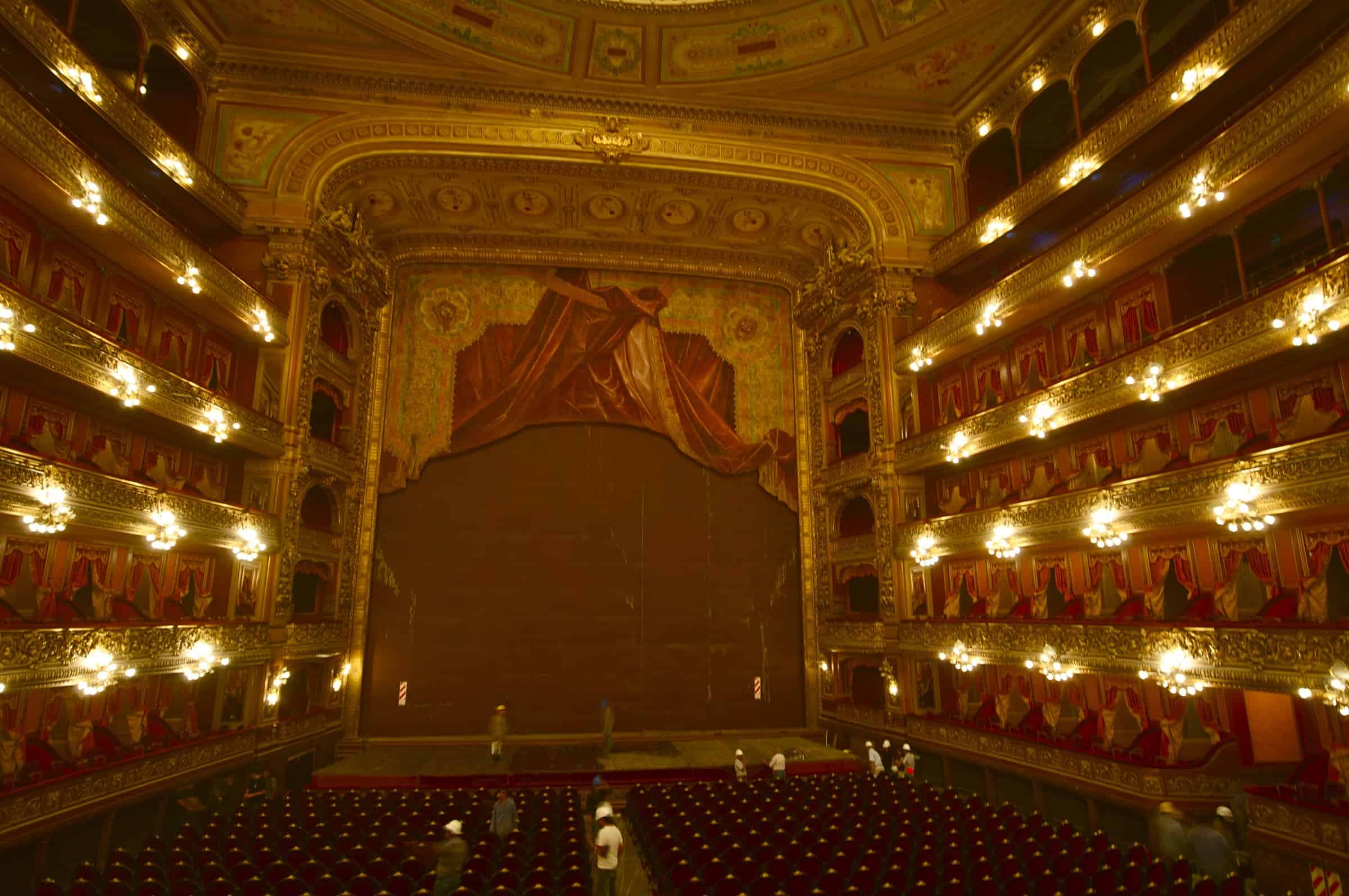
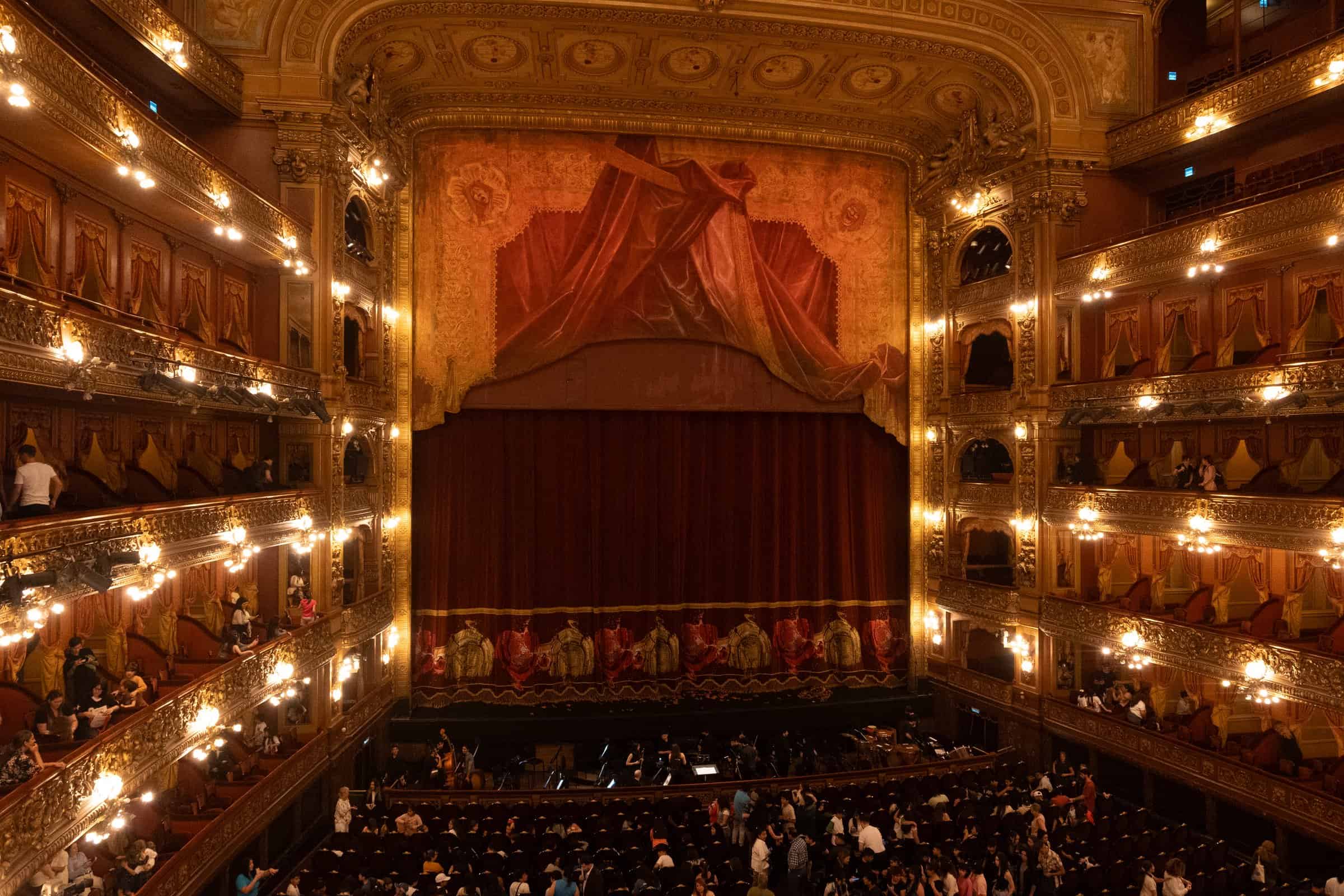
The Teatro Colón is Buenos Aires’ world-famous gilded opera house: a horseshoe auditorium of crimson and gold facing Plaza Lavalle, designed by Italian architect Francesco Tamburini + continued after his death by pupil Vittorio Meano + completed with French-accented decoration by Belgian-born Julio Dormal. Built 1889–1908 at Libertad 999 in Argentina and opened on 25 May 1908 with Verdi’s Aida, it remains among the most admired lyric houses for acoustics and Beaux-Arts splendour.
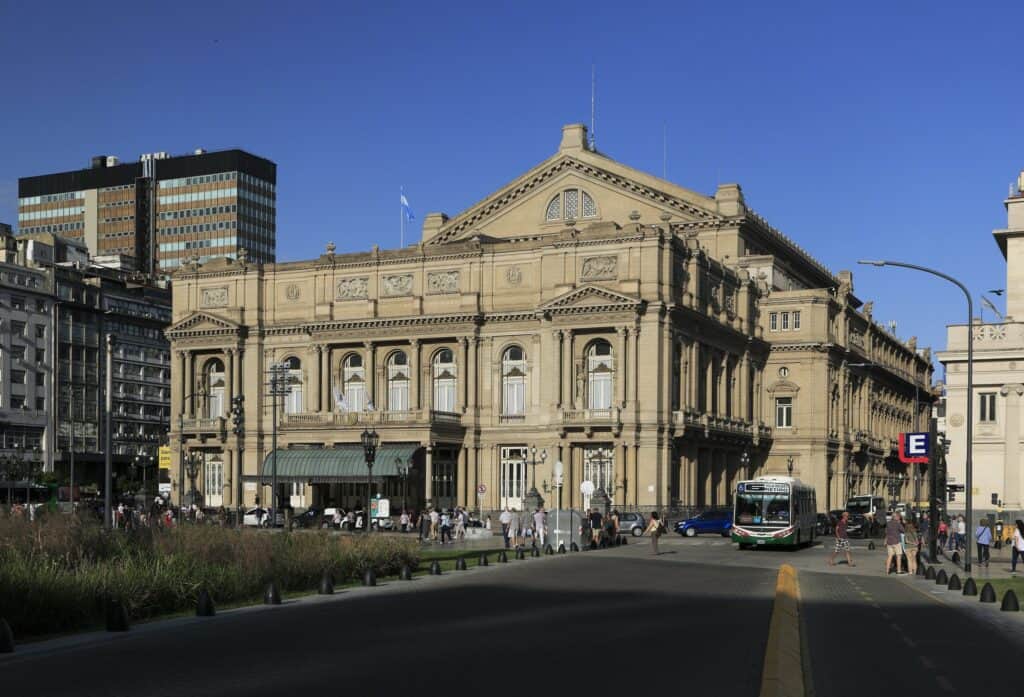
Tamburini, Meano and Dormal: twenty years to opening
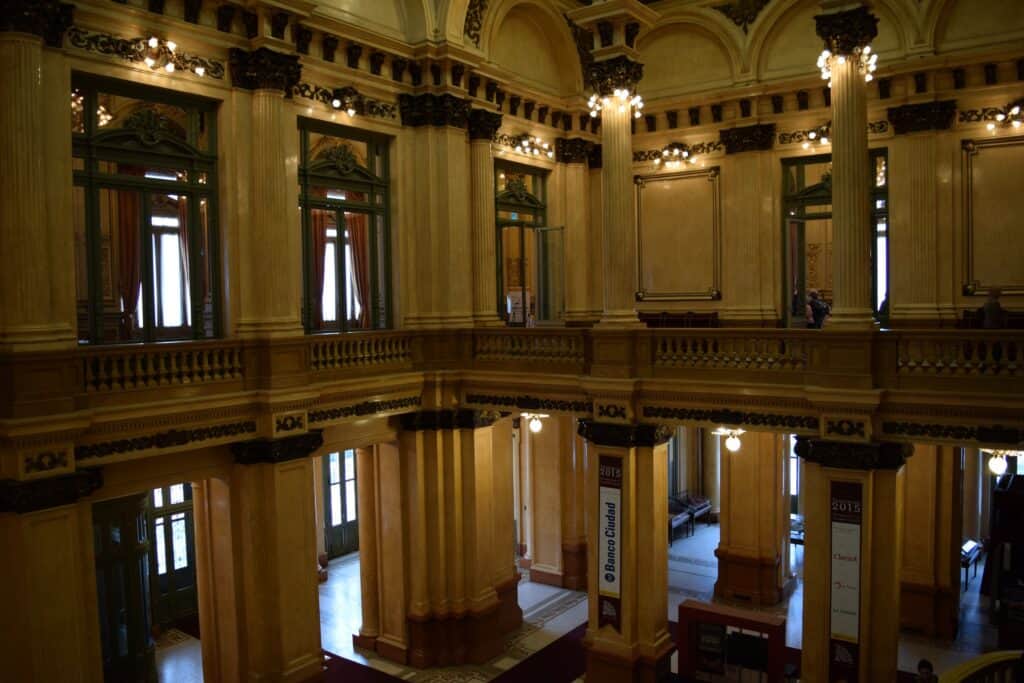
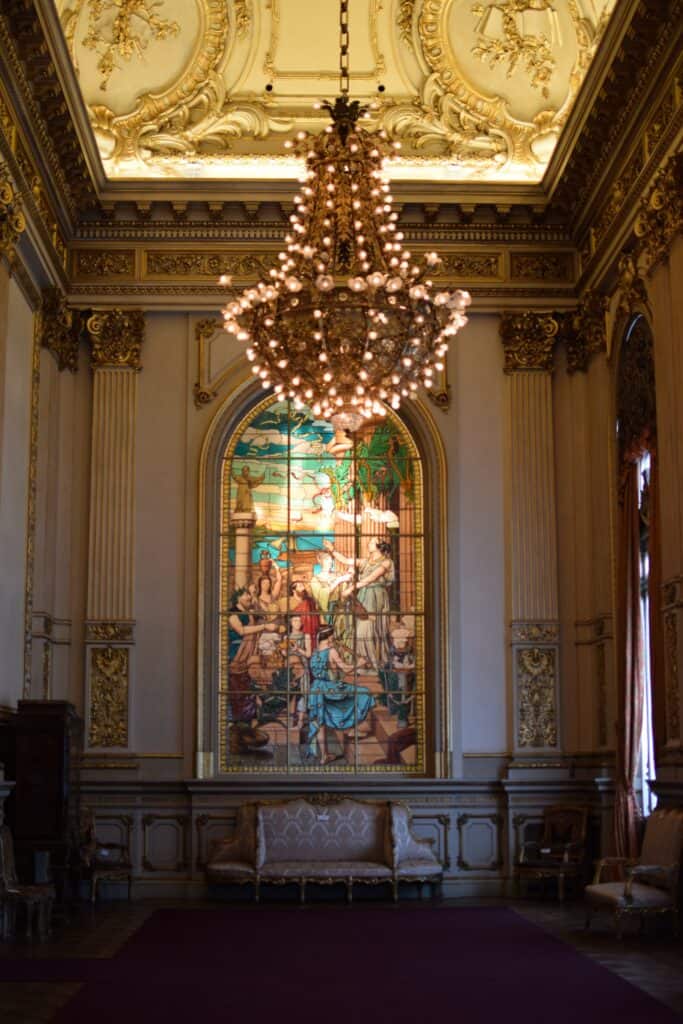
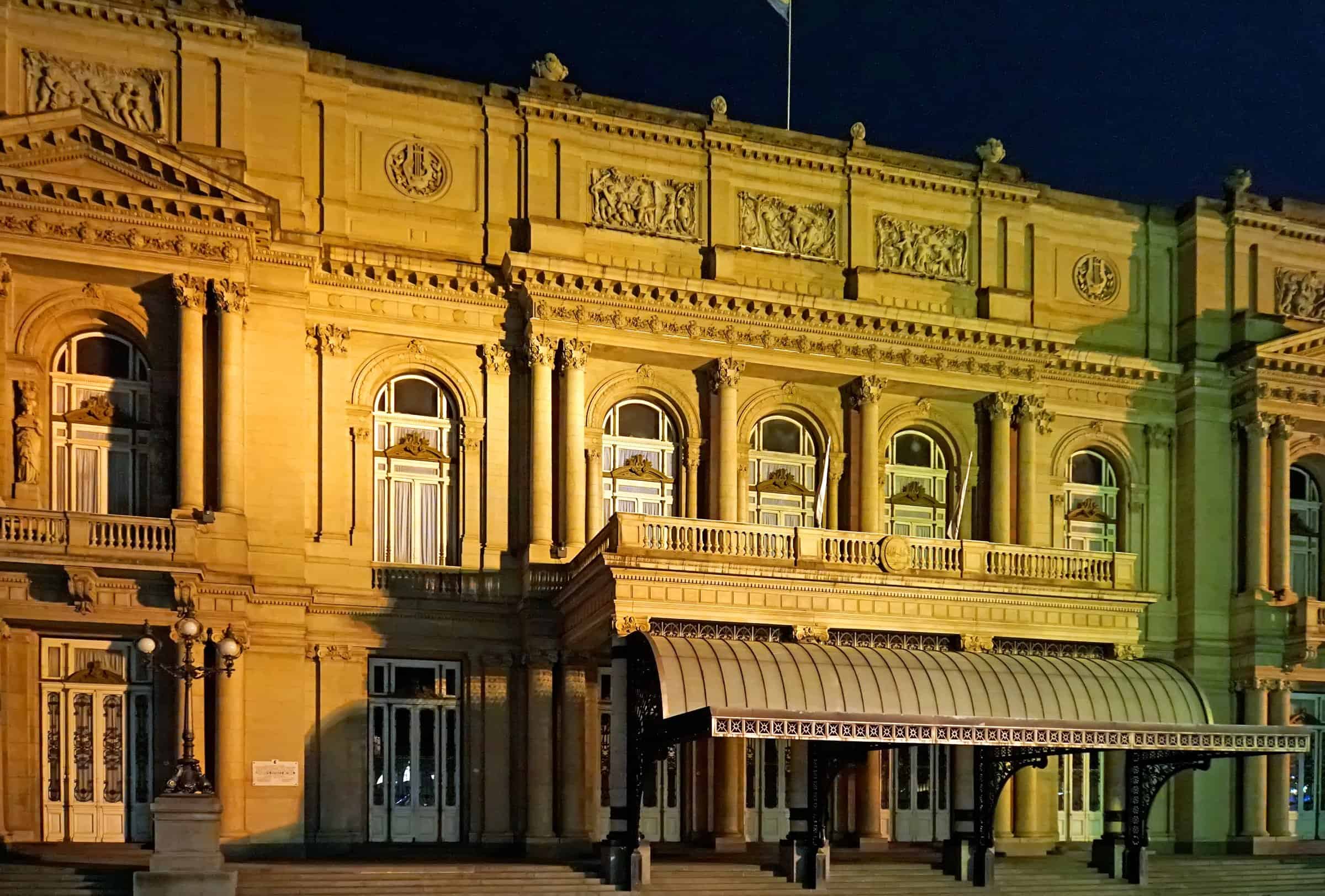
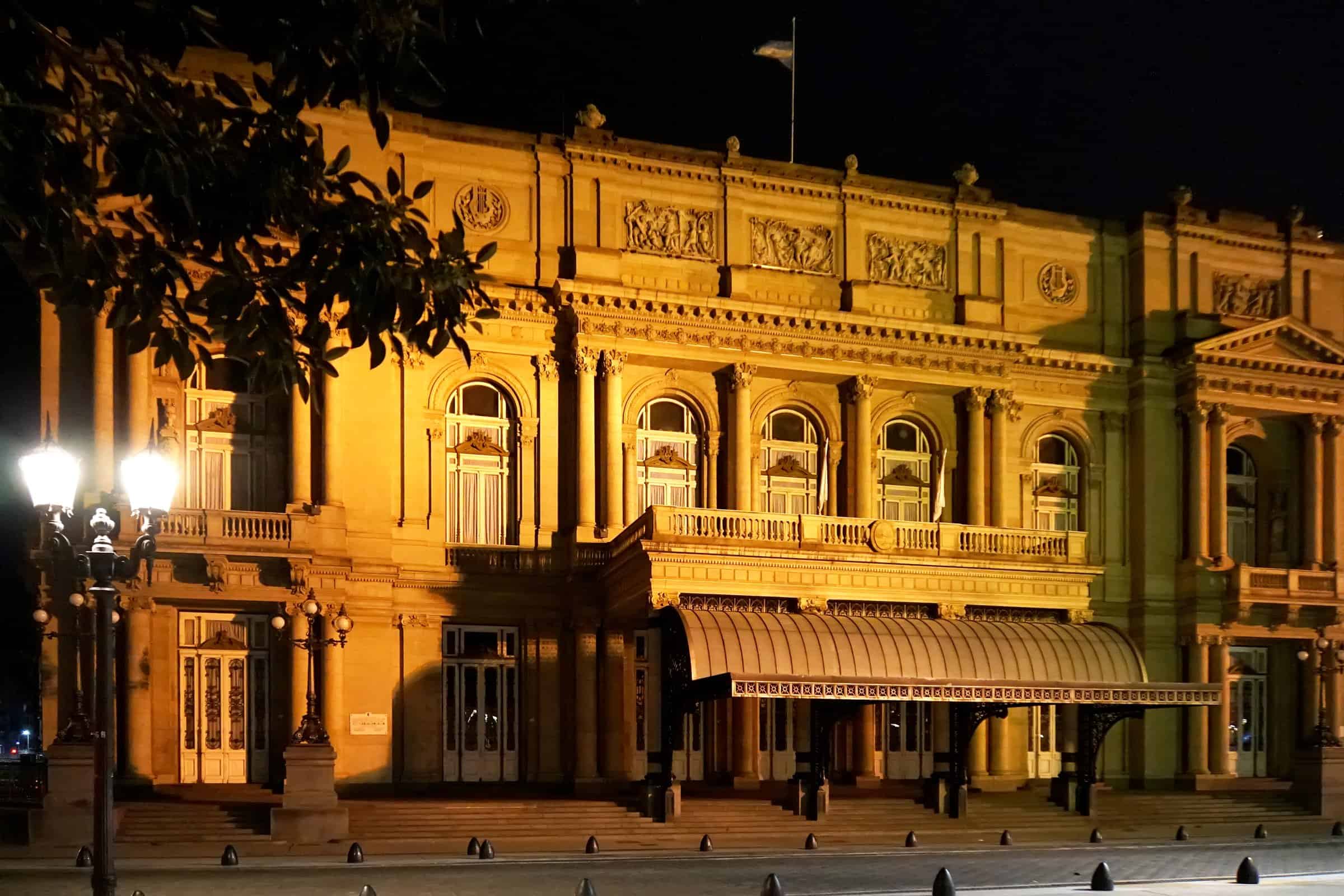
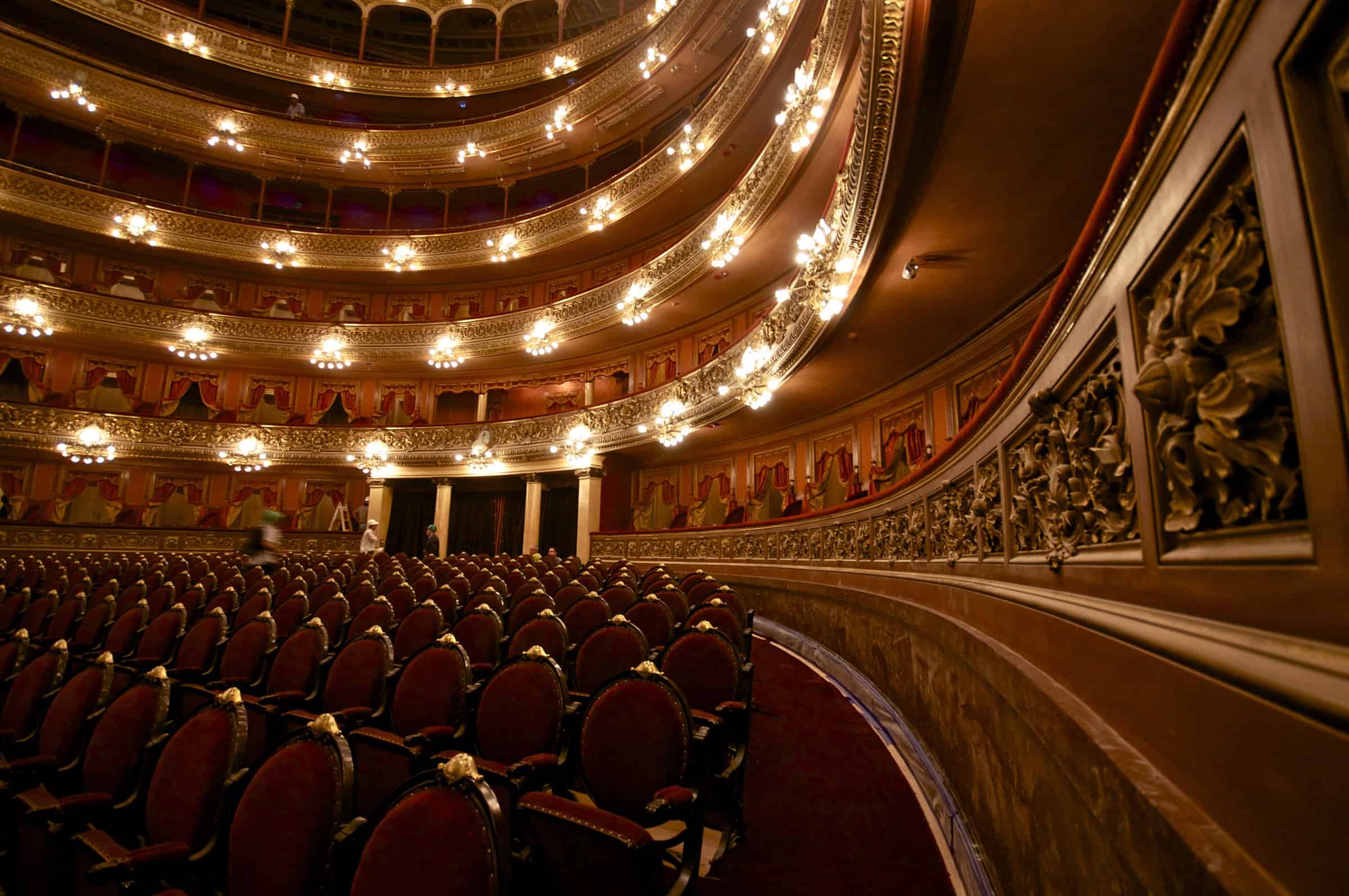
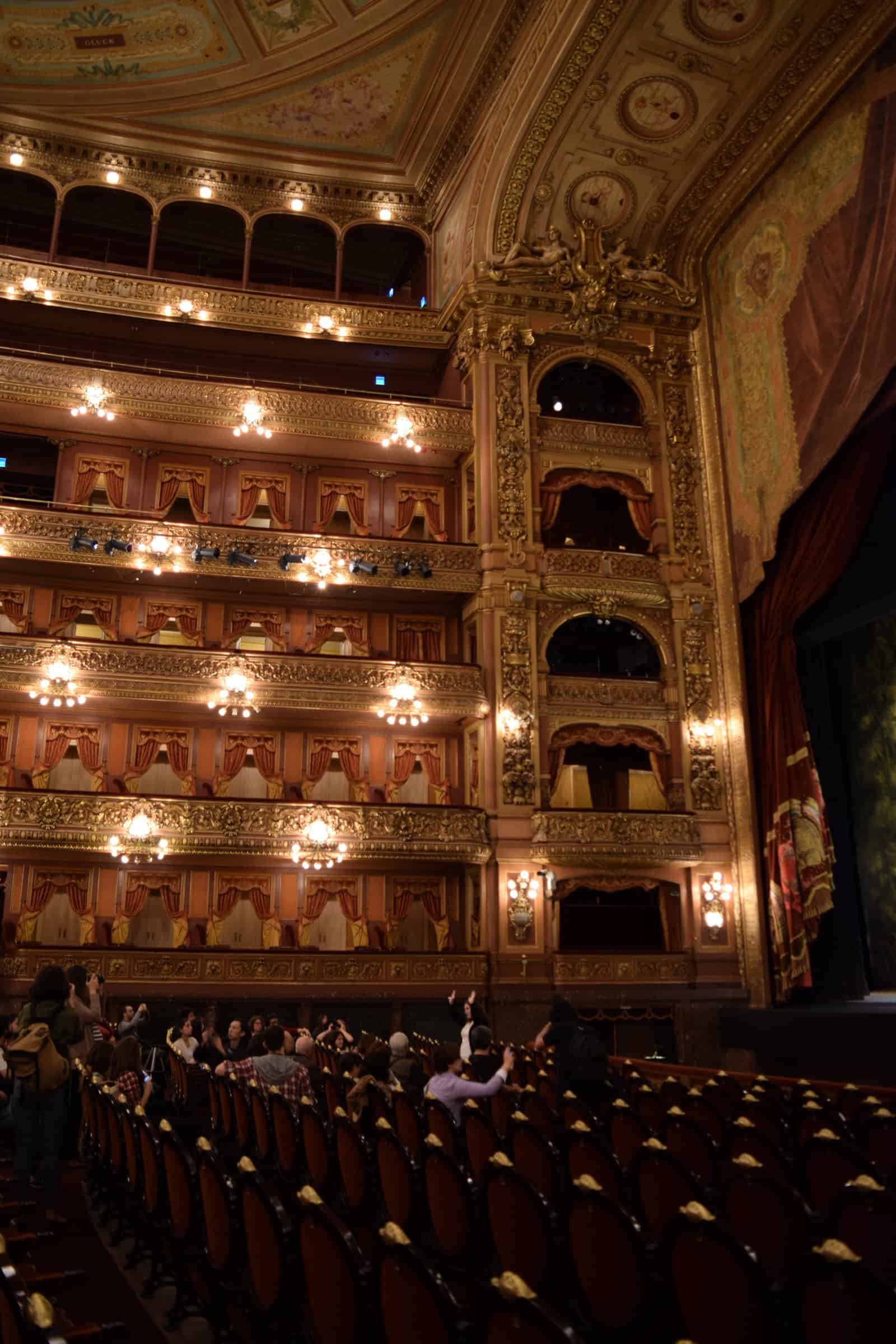
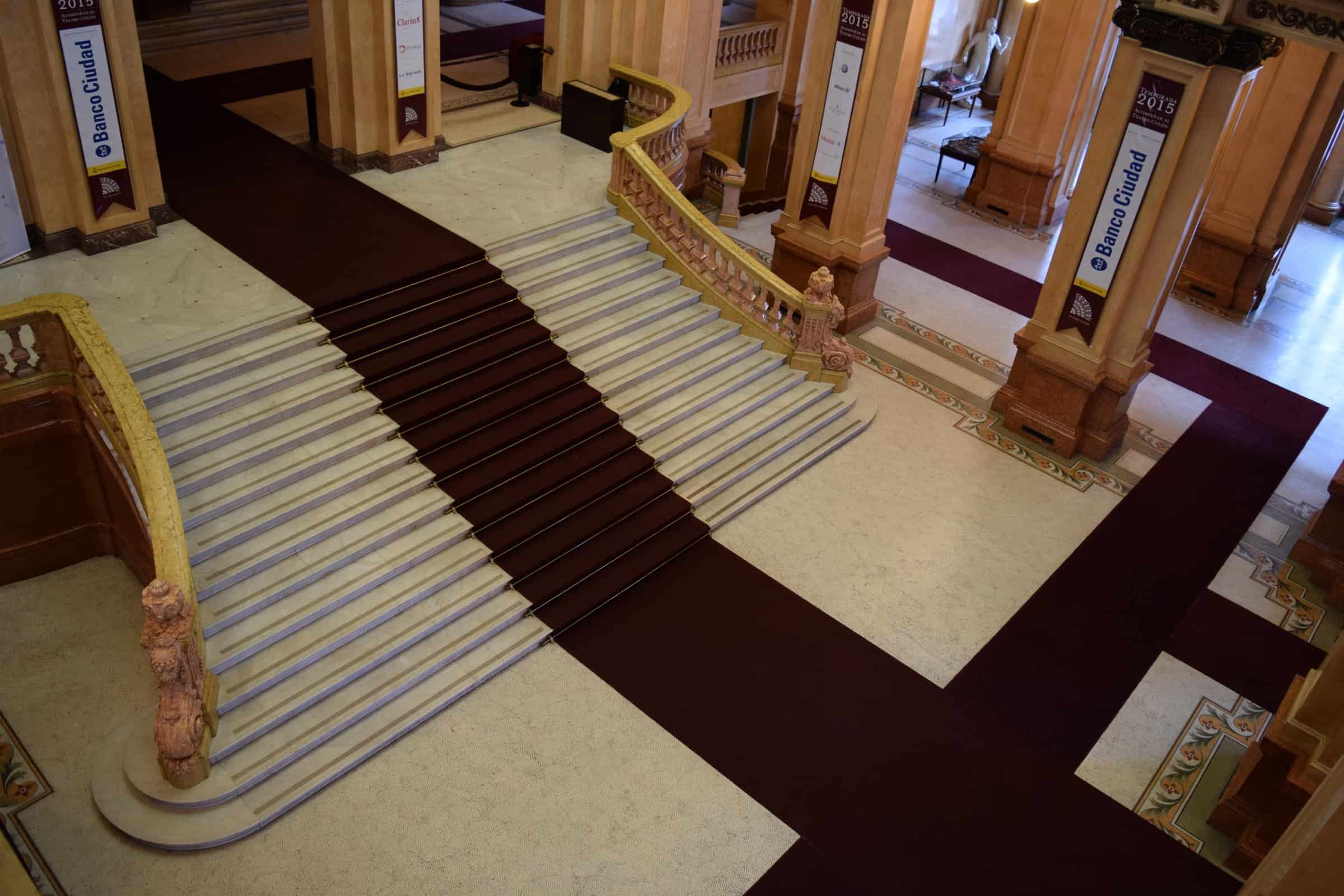
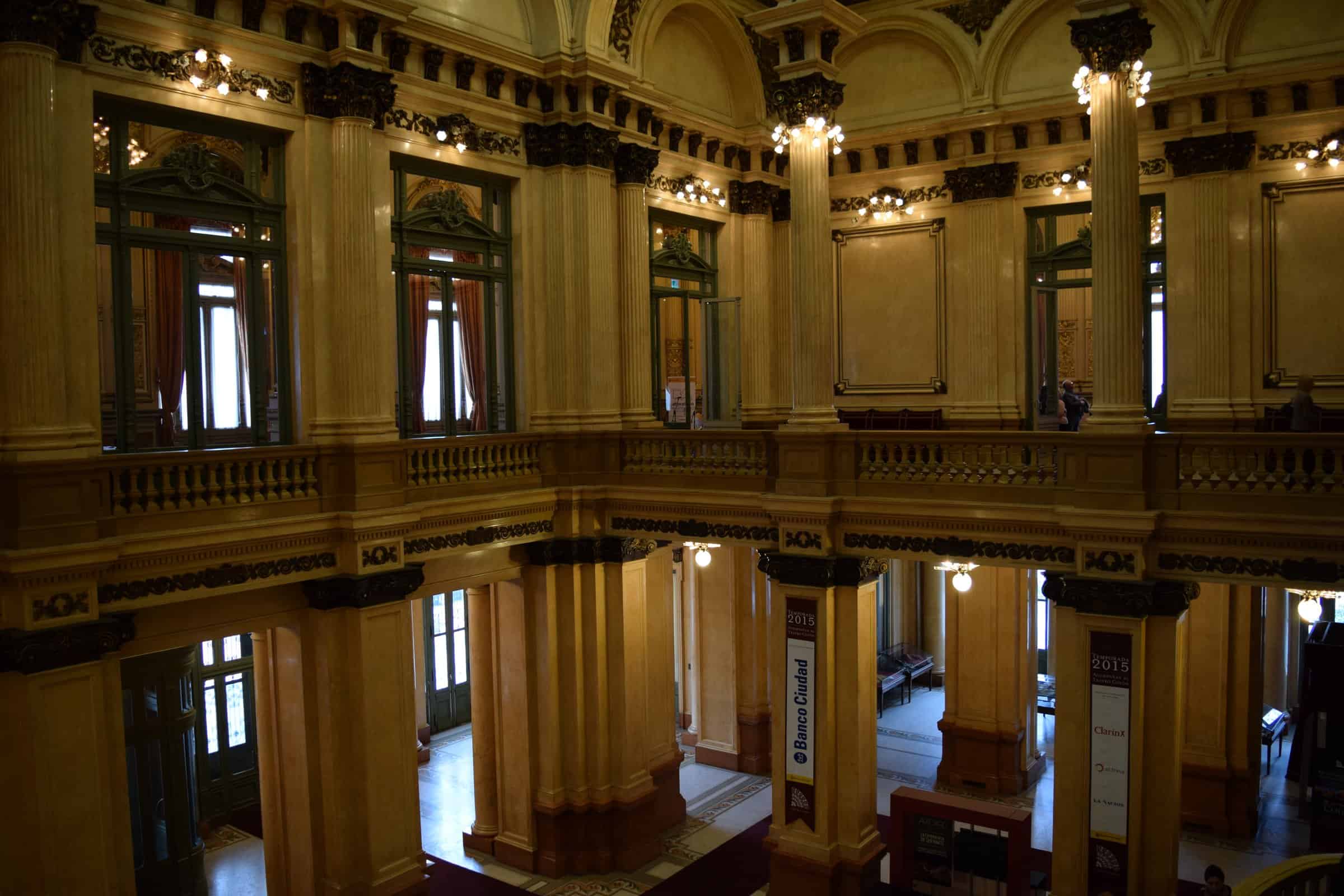
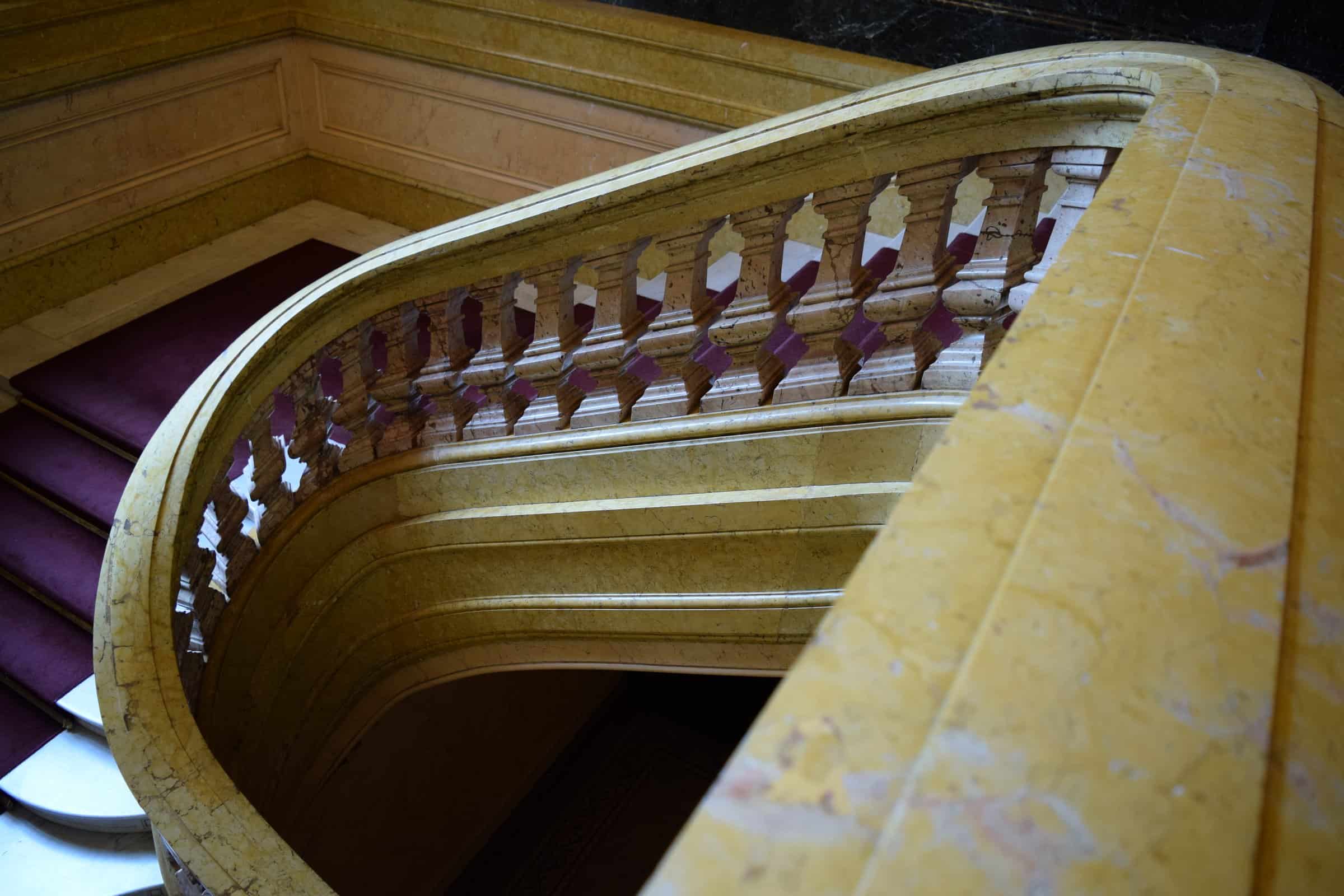
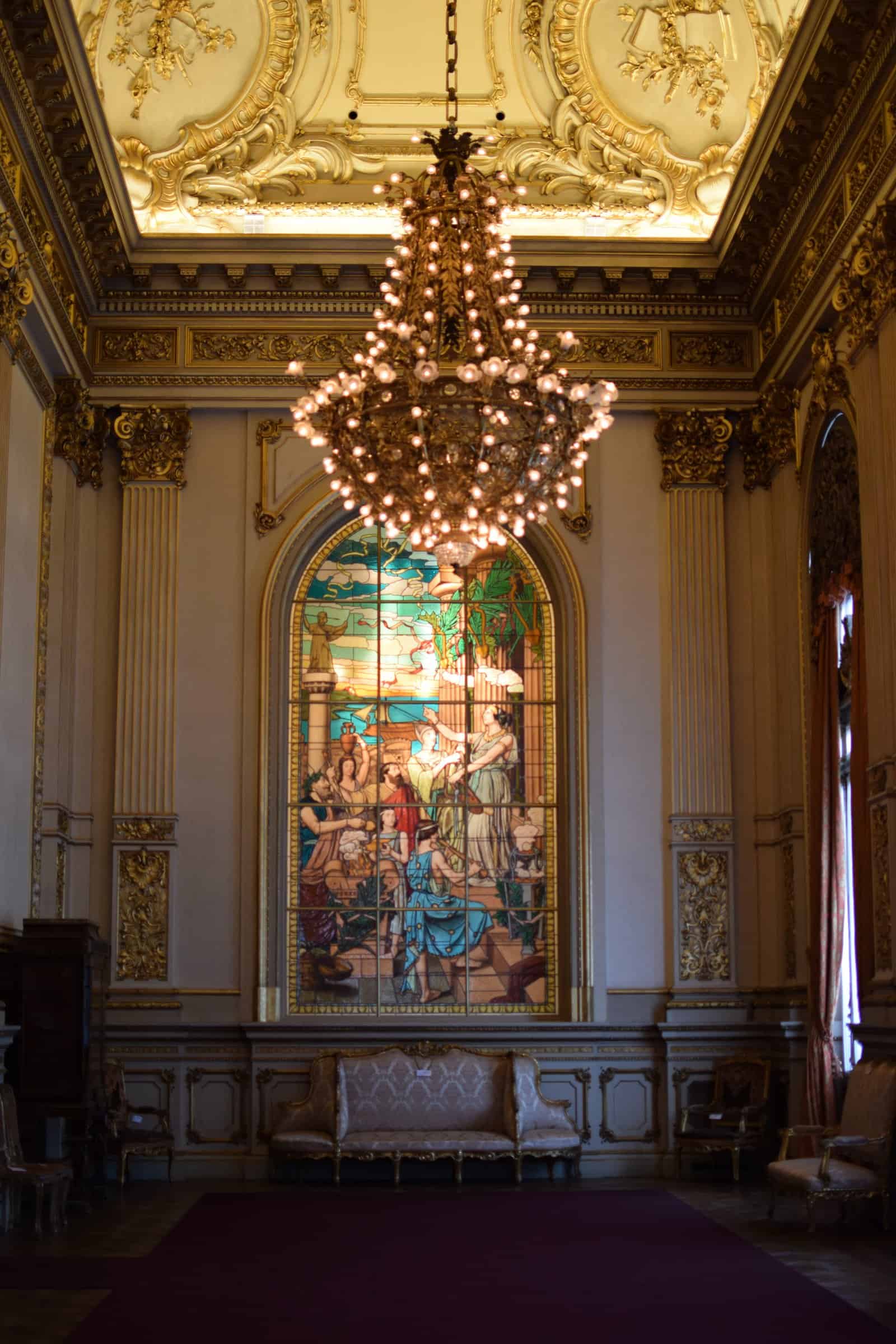
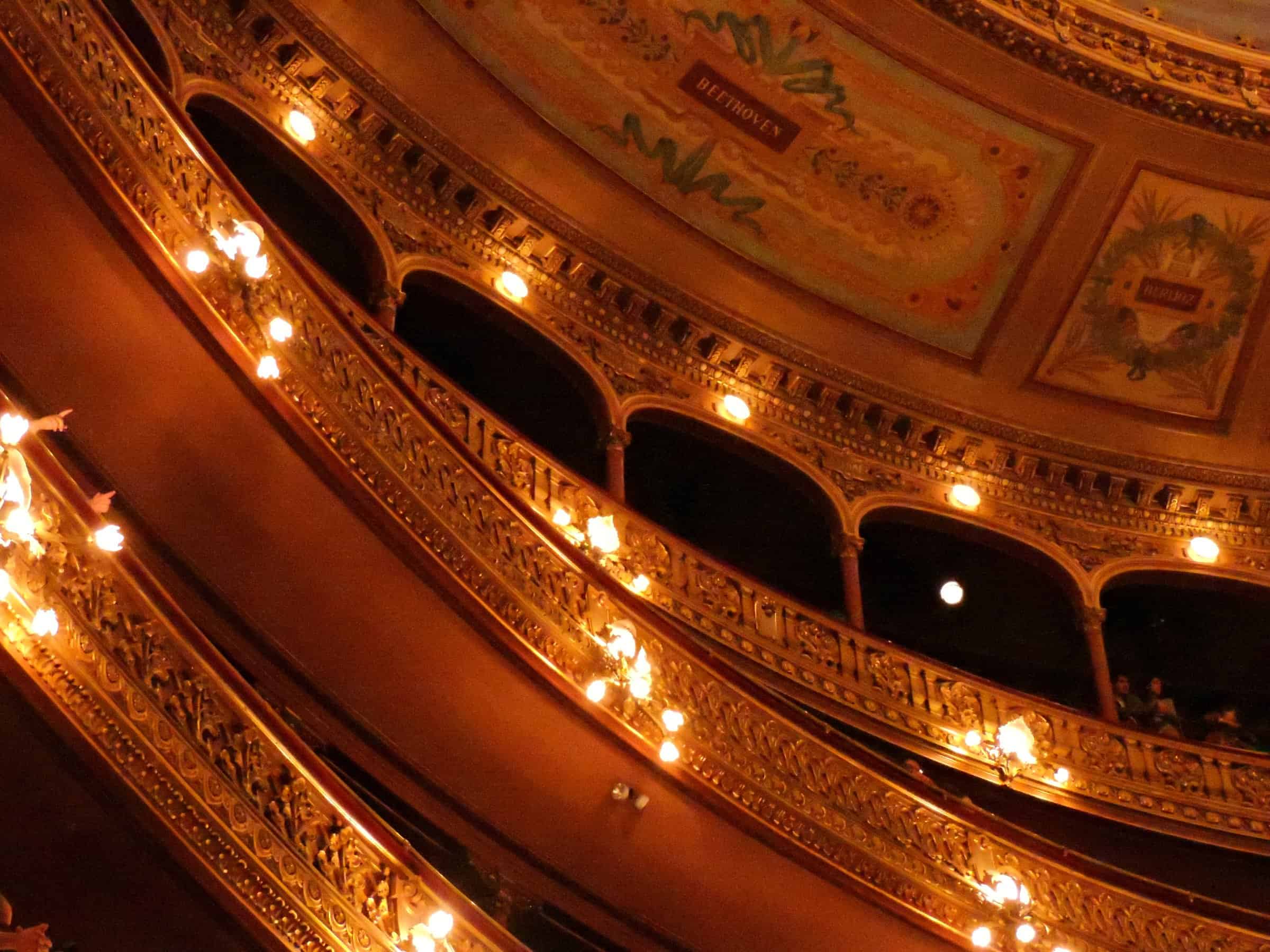
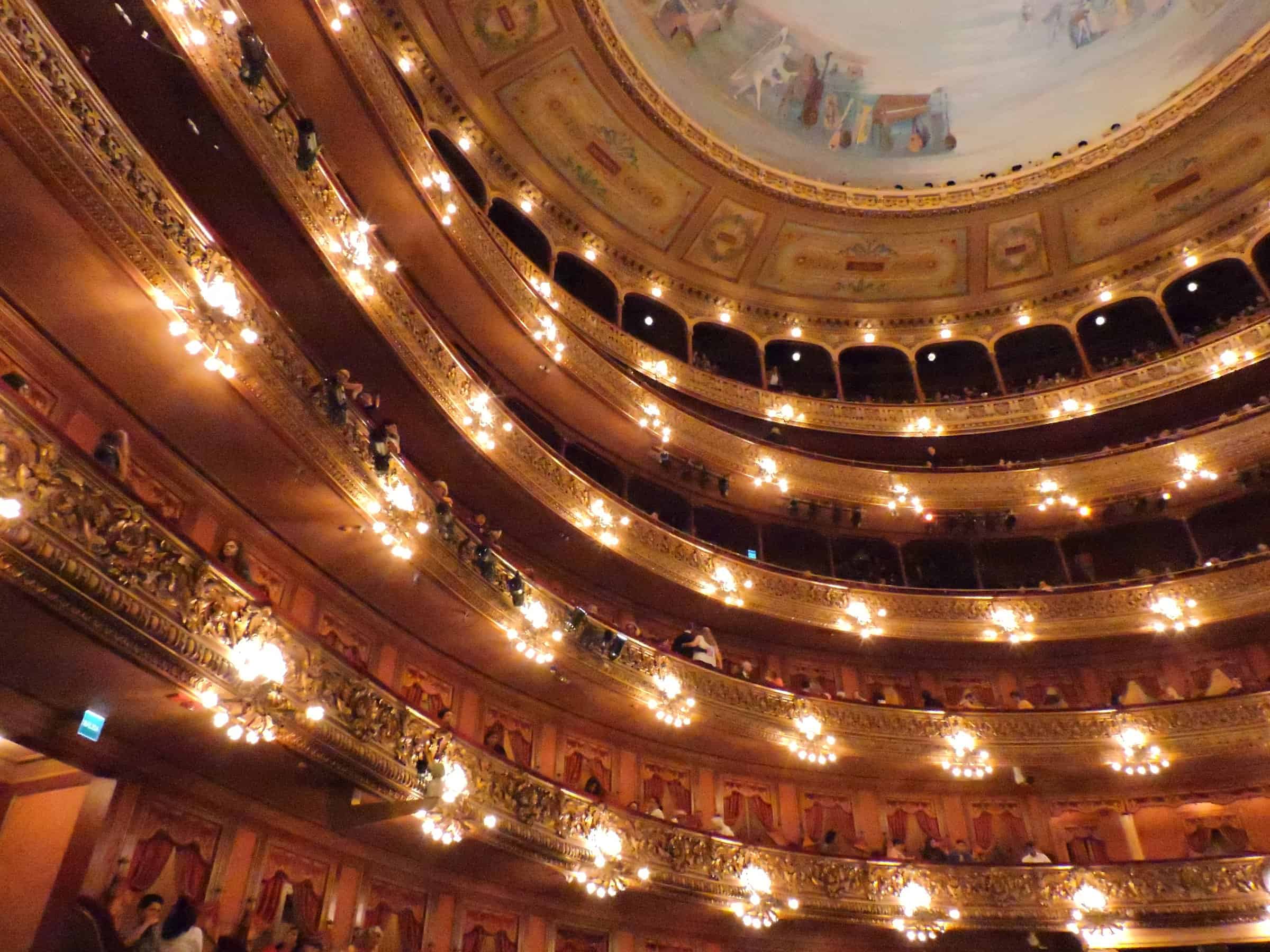
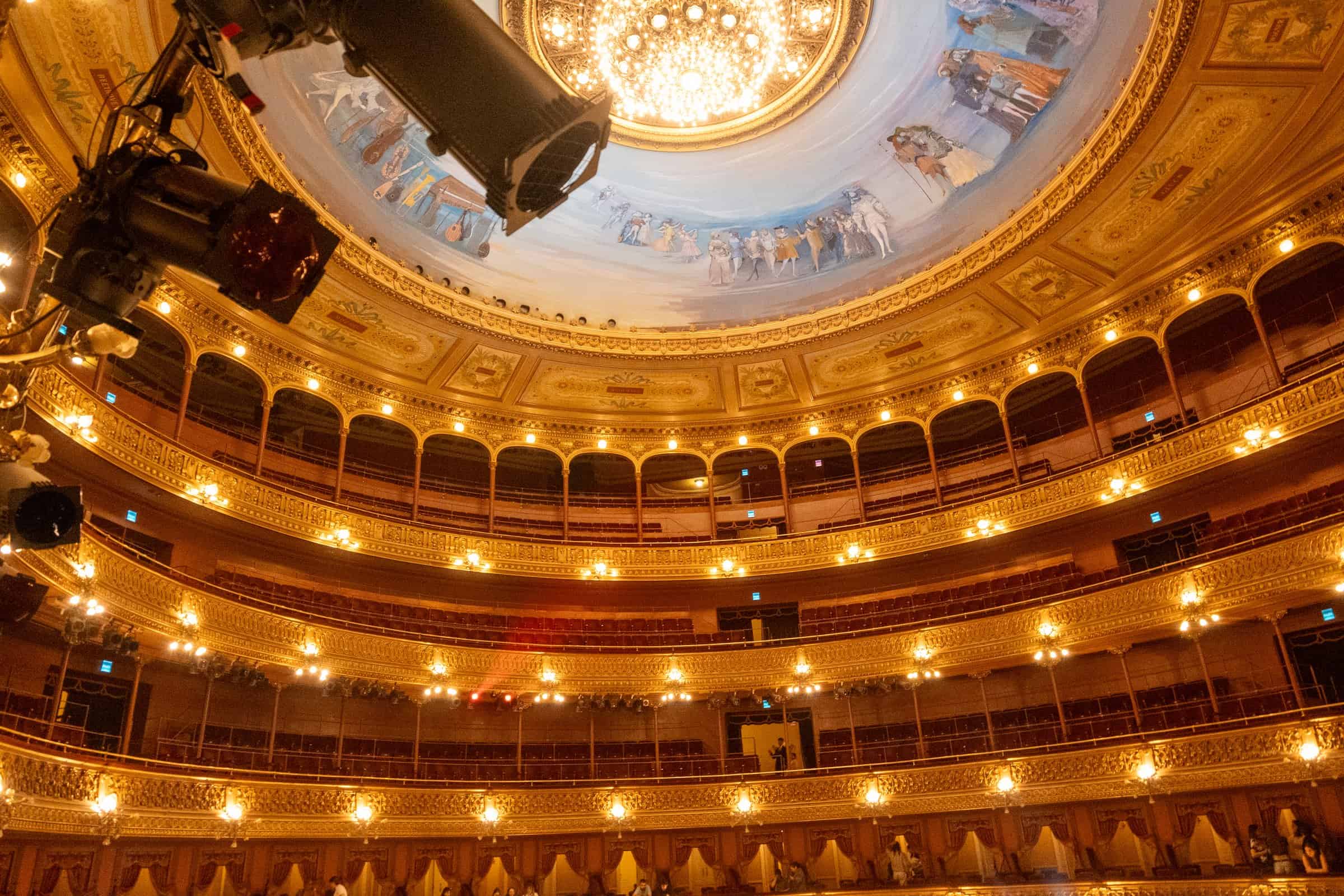
Tamburini laid the Italian-style plan and cornerstone in 1889 on the former Plaza Parque railway site; after his death in 1891 Meano carried the structure forward until his murder in 1904, and Dormal completed the house with changes that left a French stamp on the ornament. The seven-tier auditorium seats about 2,478 with standing room for roughly a thousand; a stage roughly 20 metres wide and deep sits under a great chandelier of some 700 bulbs, while the scarlet-and-gold boxes, marble foyer stair and Salón Dorado make the interiors as famous as the Libertad Street facade. Sculptor Luigi Trinchero supplied bas-reliefs and busts on the exterior.
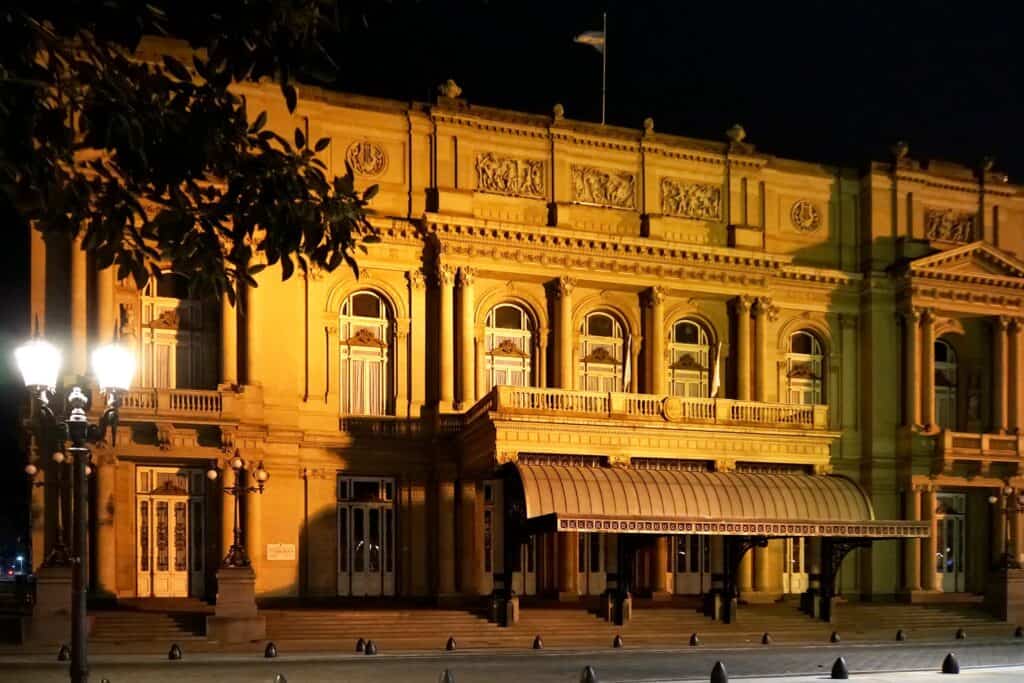
Acoustics, artists and National Historic Monument
From the opening season onward the Colón drew the leading singers, dancers and conductors of the twentieth century — Caruso, Callas, Toscanini, Pavlova, Nureyev, Pavarotti among many — and National Geographic has ranked it among the world’s ten best opera houses. Acoustician Leo Beranek’s survey of leading directors placed its room first for opera and second for concerts; Luciano Pavarotti famously joked that the acoustics’ only defect was their perfection. Declared a National Historic Monument of Argentina in 1989, the theatre houses resident orchestra, choir and ballet companies as well as the Buenos Aires Philharmonic.
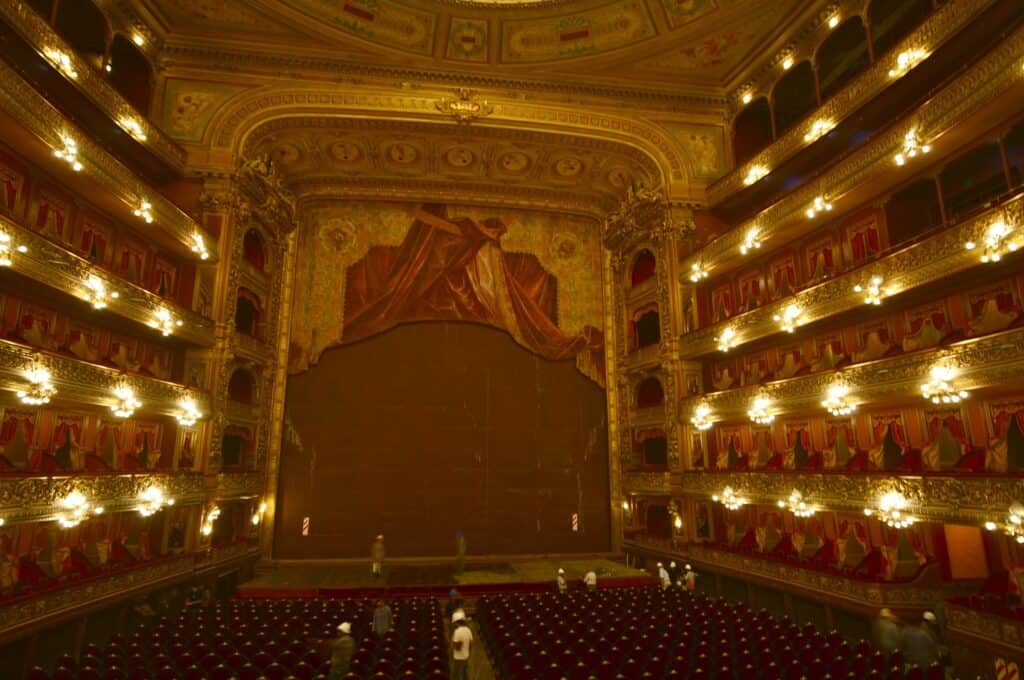
2001–2010 restoration and the 2010 reopening
By the early 2000s deferred maintenance forced a phased restoration: works begun while the house was still open led to full closure from late 2006, and after a programme that grew into a multi-year, roughly USD 100-million project with some 1,500 workers the Colón reopened on 24 May 2010 — on the eve of Argentina’s Bicentennial — with Tchaikovsky’s Swan Lake and Act II of Puccini’s La bohème. The campaign renewed structure, stage machinery, interiors and the Raúl Soldi cupola canvas while protecting the room’s celebrated sound.
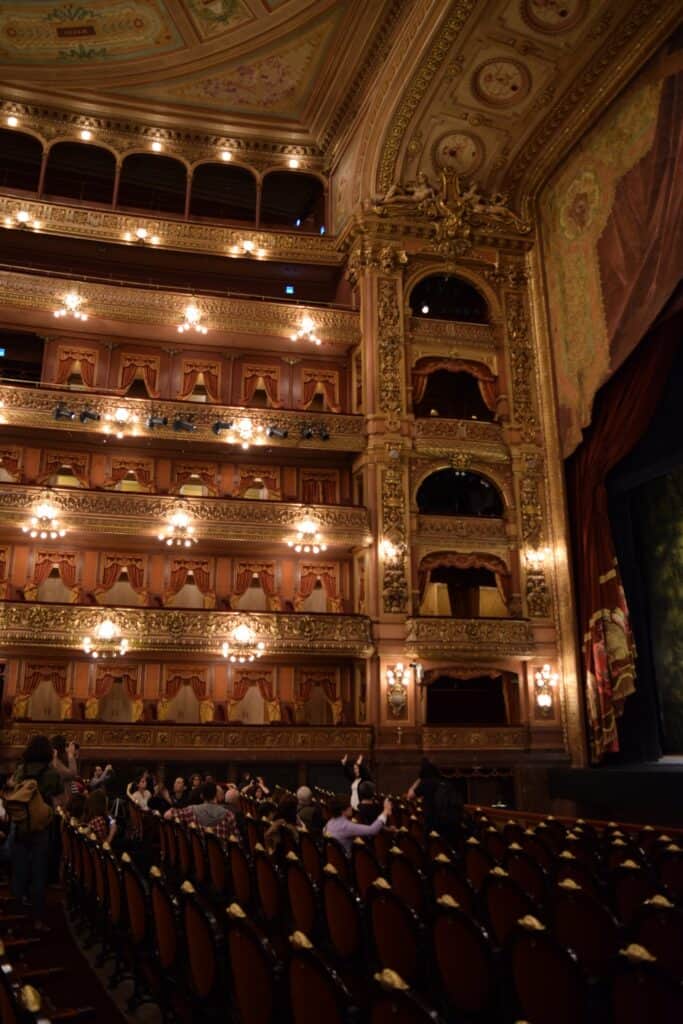
Facade, foyer and the photographs
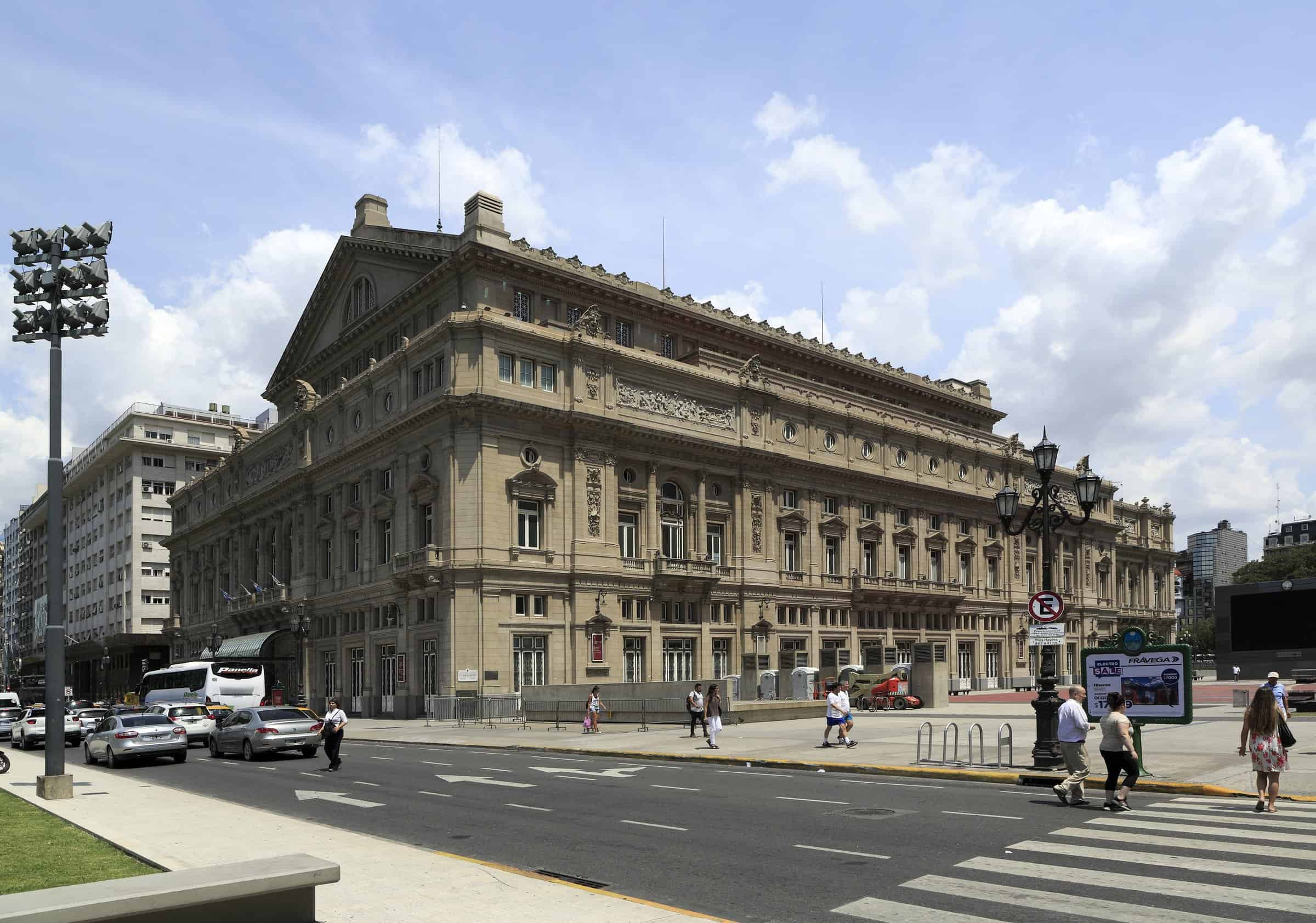
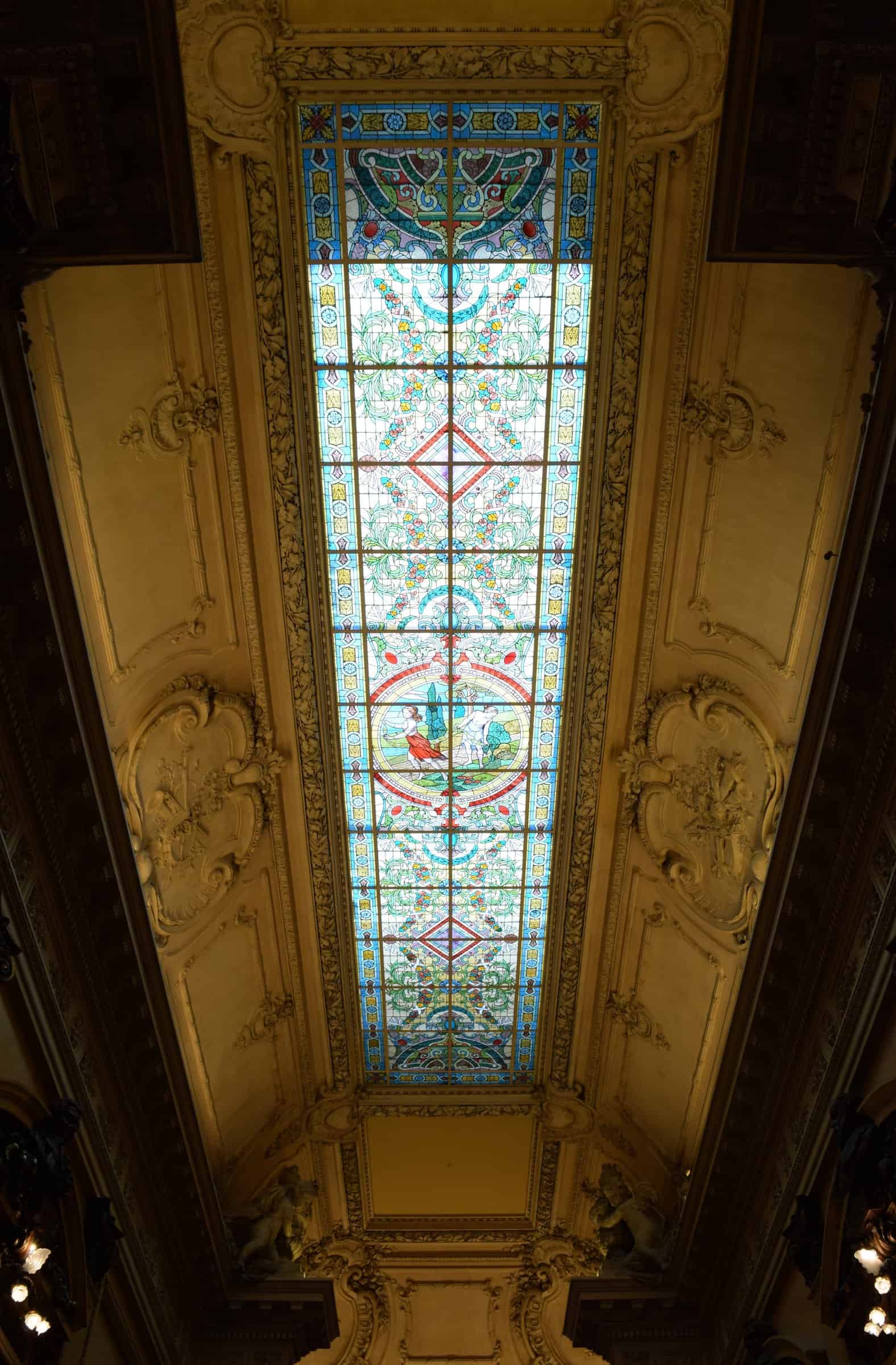
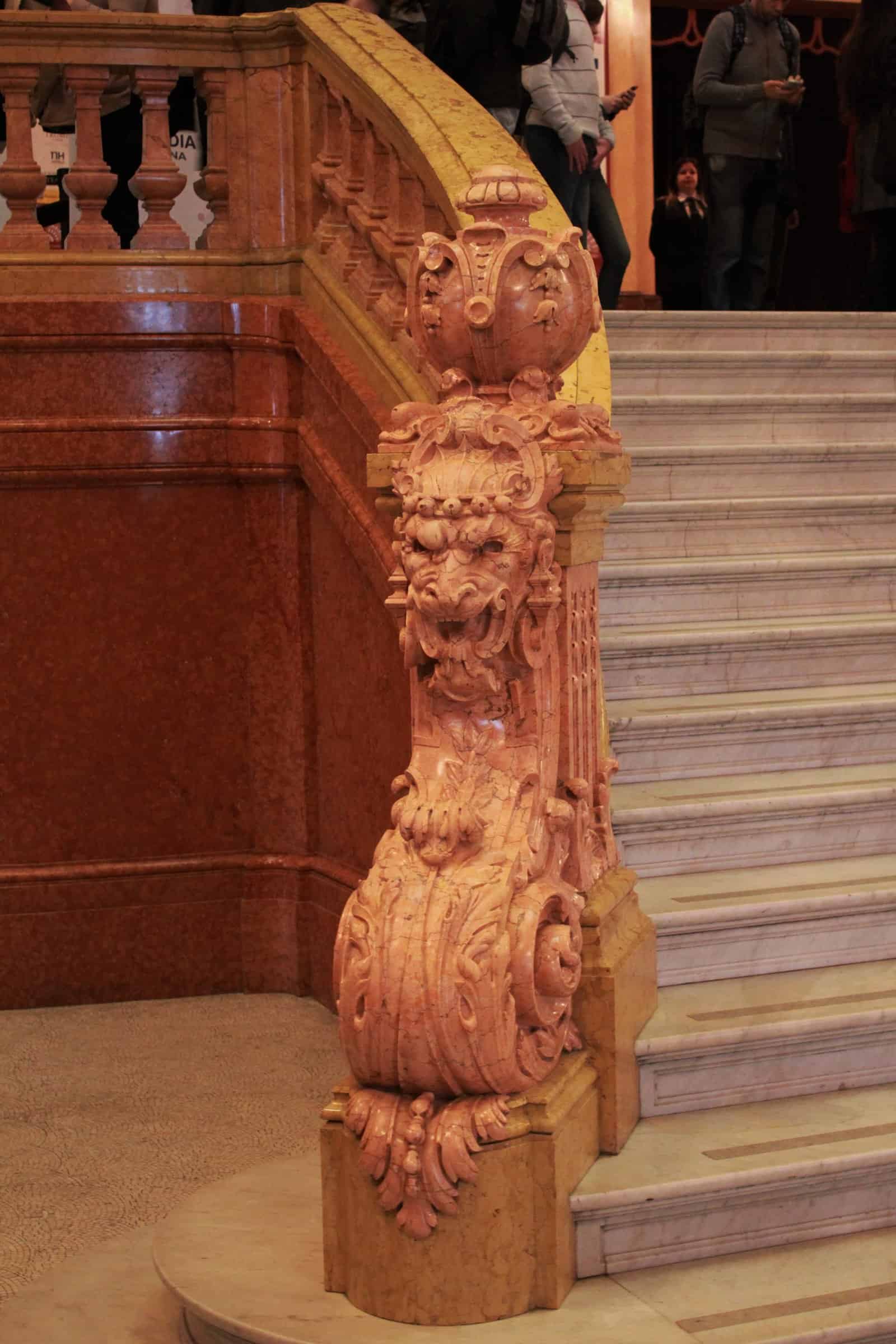
Today guided tours thread the foyer stair, Salón Dorado and auditorium, and the photographs here favour sharp modern Commons frames of the Plaza Lavalle facade by day and night, the horseshoe hall under Soldi’s cupola, the marble staircase and lion newel, gilt boxes, stained-glass skylight and the crystal-lit Golden Salon — interiors that are as much the story as the eclectic exterior.
Photography and credits
Credits span EEJCC, Dennis G. Jarvis, Falk2, Roger Schultz, ProtoplasmaKid, Mauricio V. Genta, Lahi and Sergio Moises Panei Pitrau under CC0 / CC BY / BY-SA licences as noted on each file.
Teatro Colón gallery
Explore more on Archtene
- More projects by Francesco Tamburini + Vittorio Meano + Julio Dormal
- More projects in Buenos Aires
- More Opera House projects