The Carnegie Hill Brownstone, completed in 2008 by Peter Pennoyer Architects, exemplifies the firm’s dedication to restoring and reimagining historic New York City residences. Situated in the Upper East Side’s Carnegie Hill neighbourhood, this project involved transforming a slender brownstone, previously divided into apartments, into a cohesive single-family home. The design approach balanced the preservation of the building’s historic character with the introduction of contemporary elements, resulting in a harmonious blend of old and new.
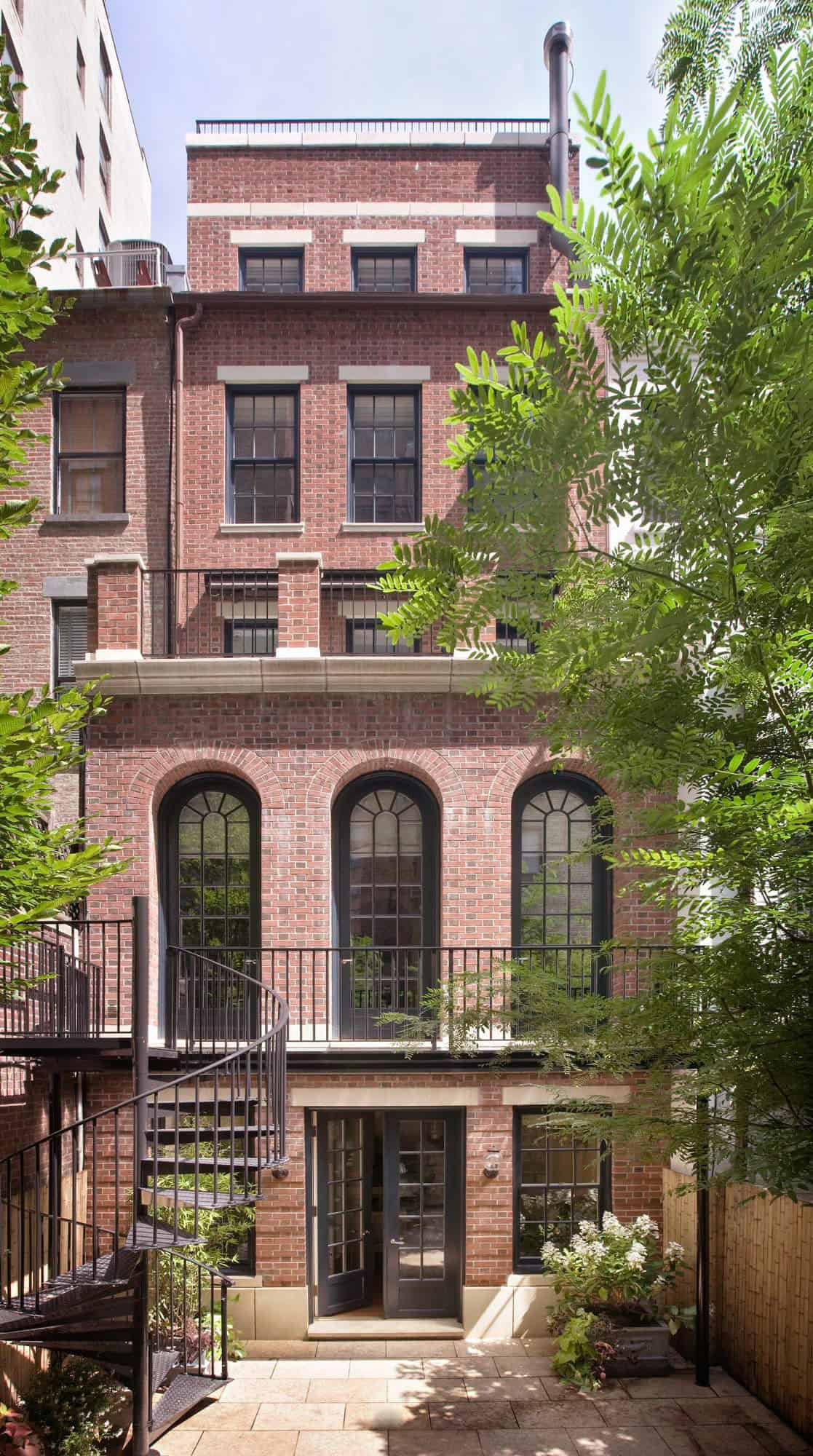
The front façade was meticulously restored to reflect its original grandeur, reinstating lost brownstone details that had been eroded over time. This careful restoration honoured the building’s architectural heritage while ensuring its integration into the surrounding streetscape. The rear façade, in contrast, was reimagined with a brick-and-stone neo-Federal design, featuring terraces on the setbacks that provided private outdoor spaces and enhanced the building’s connection to its environment.
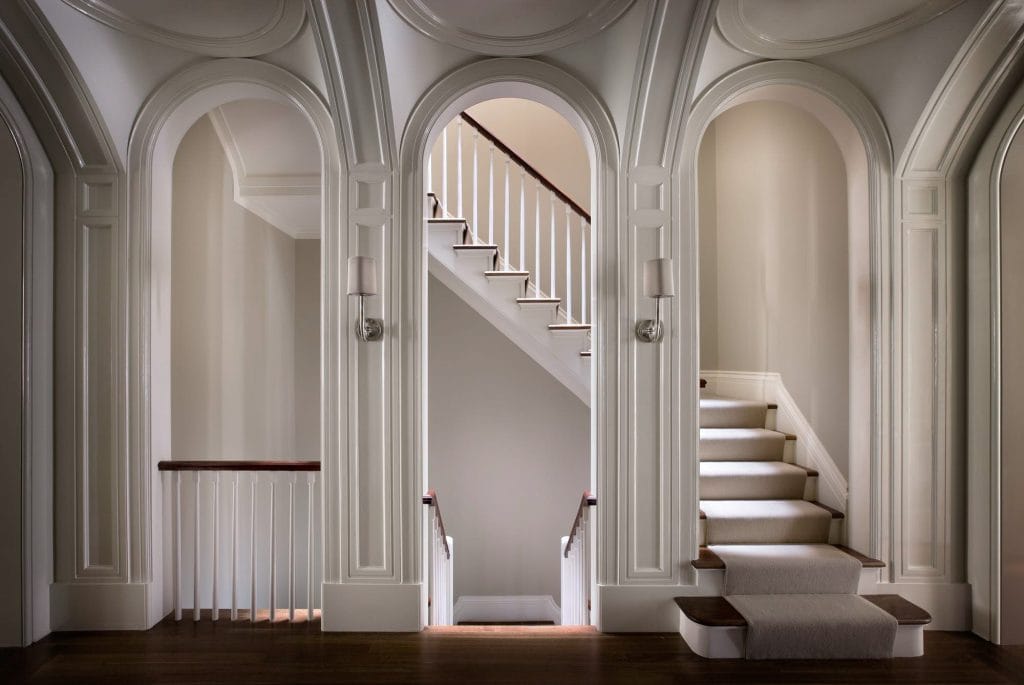
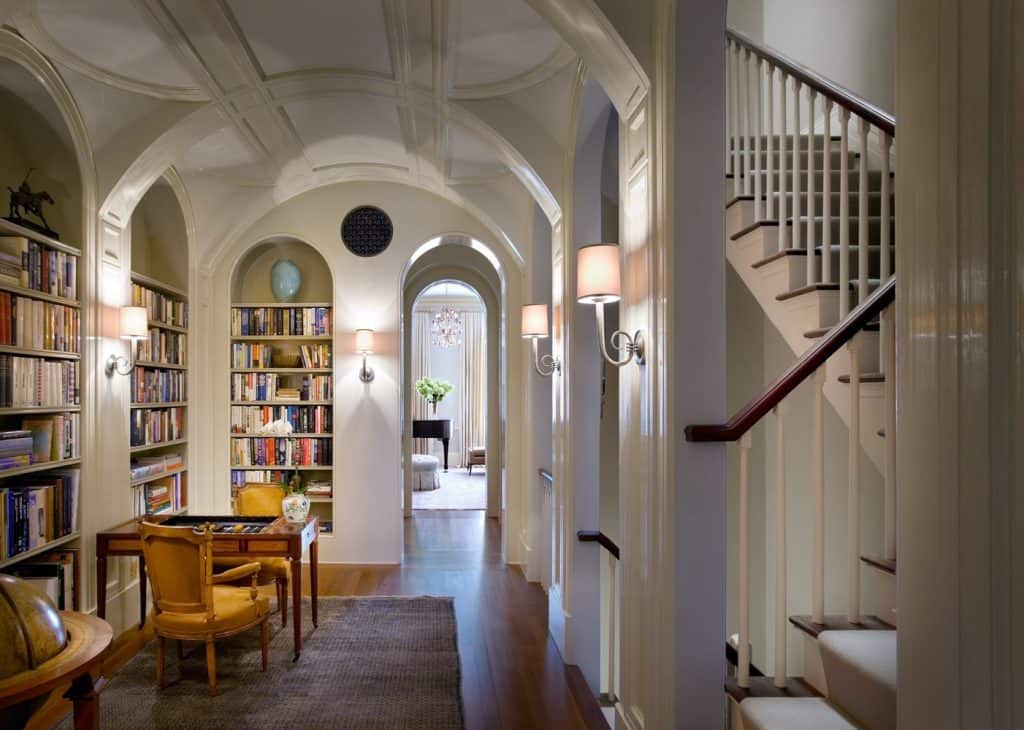
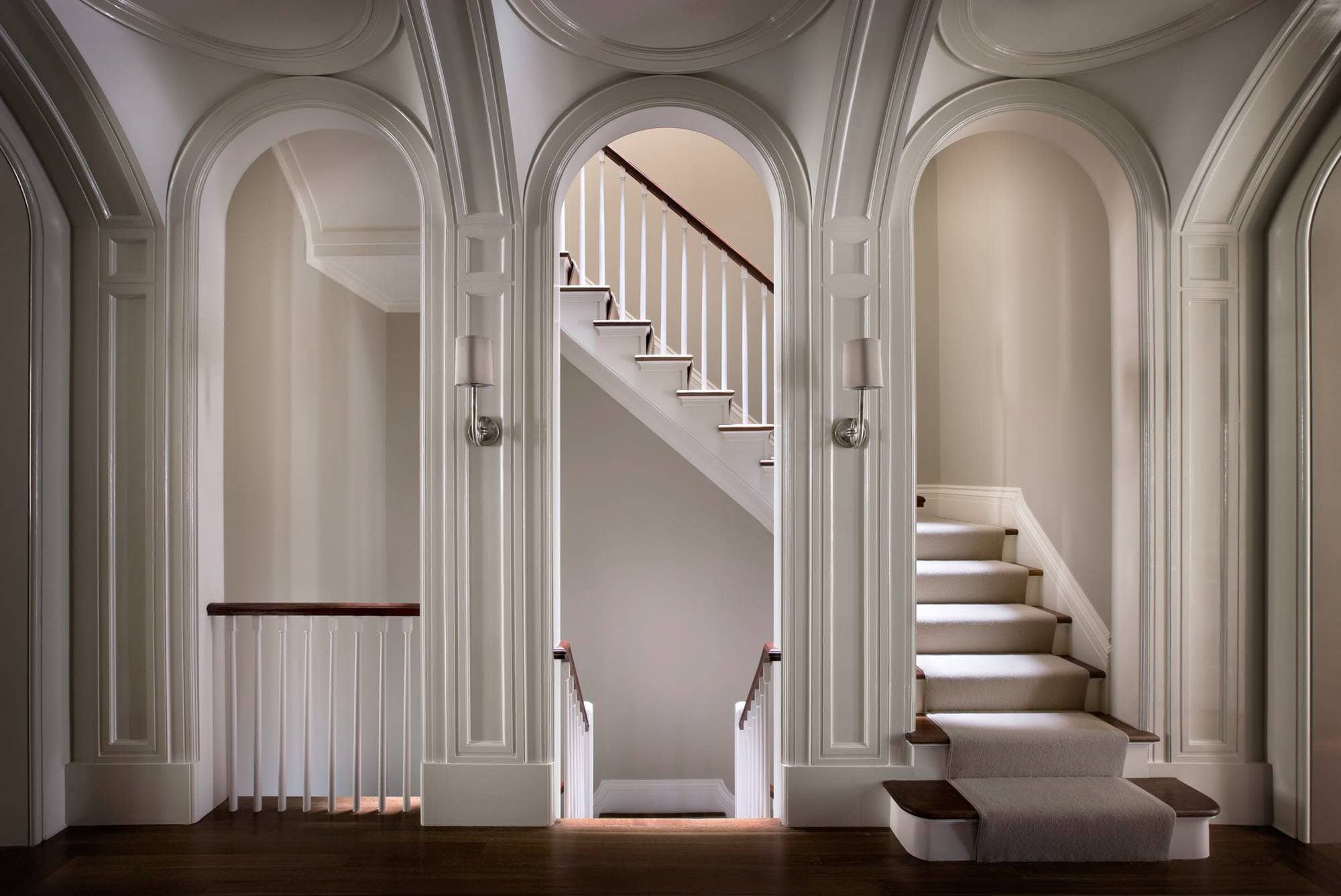
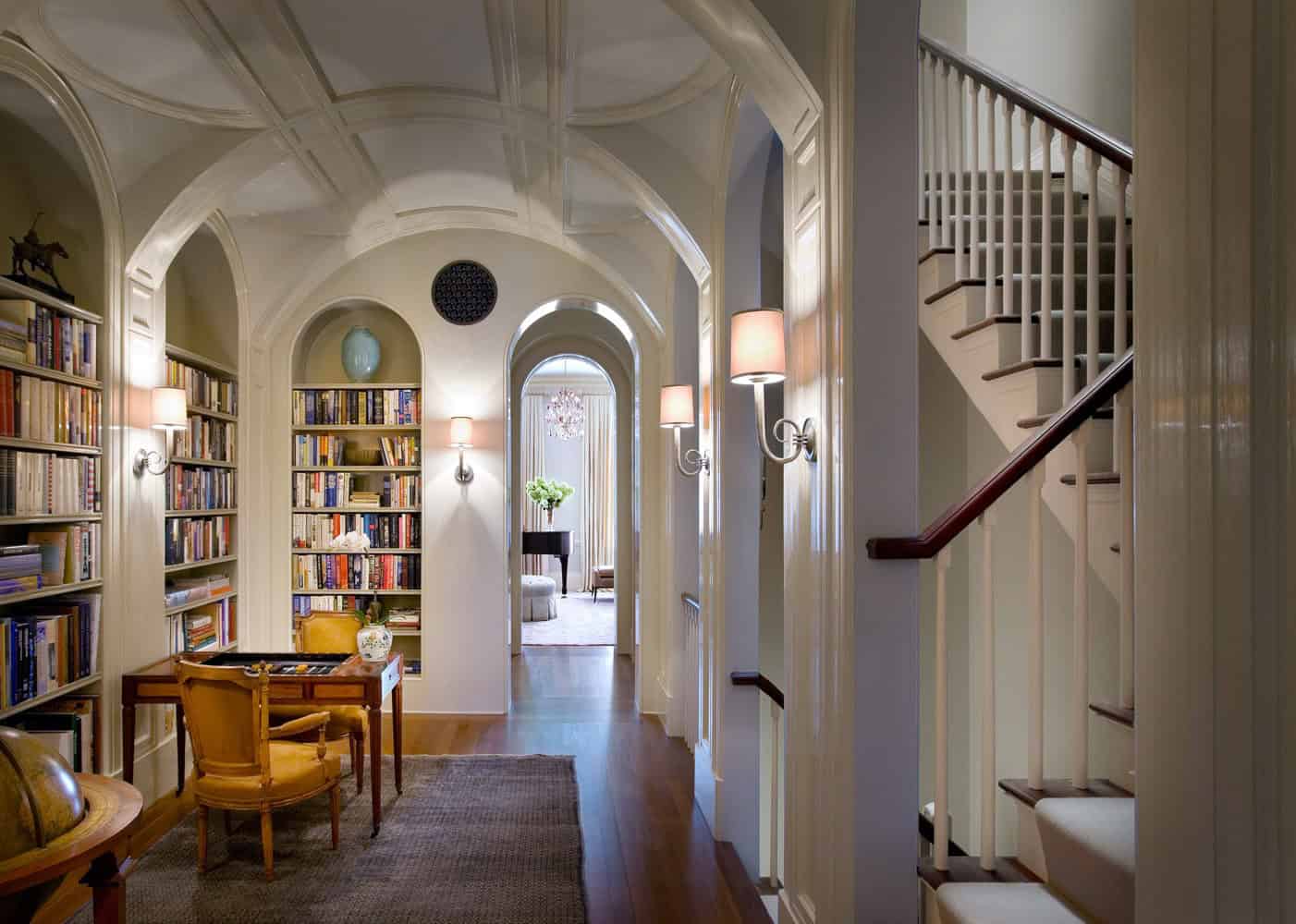
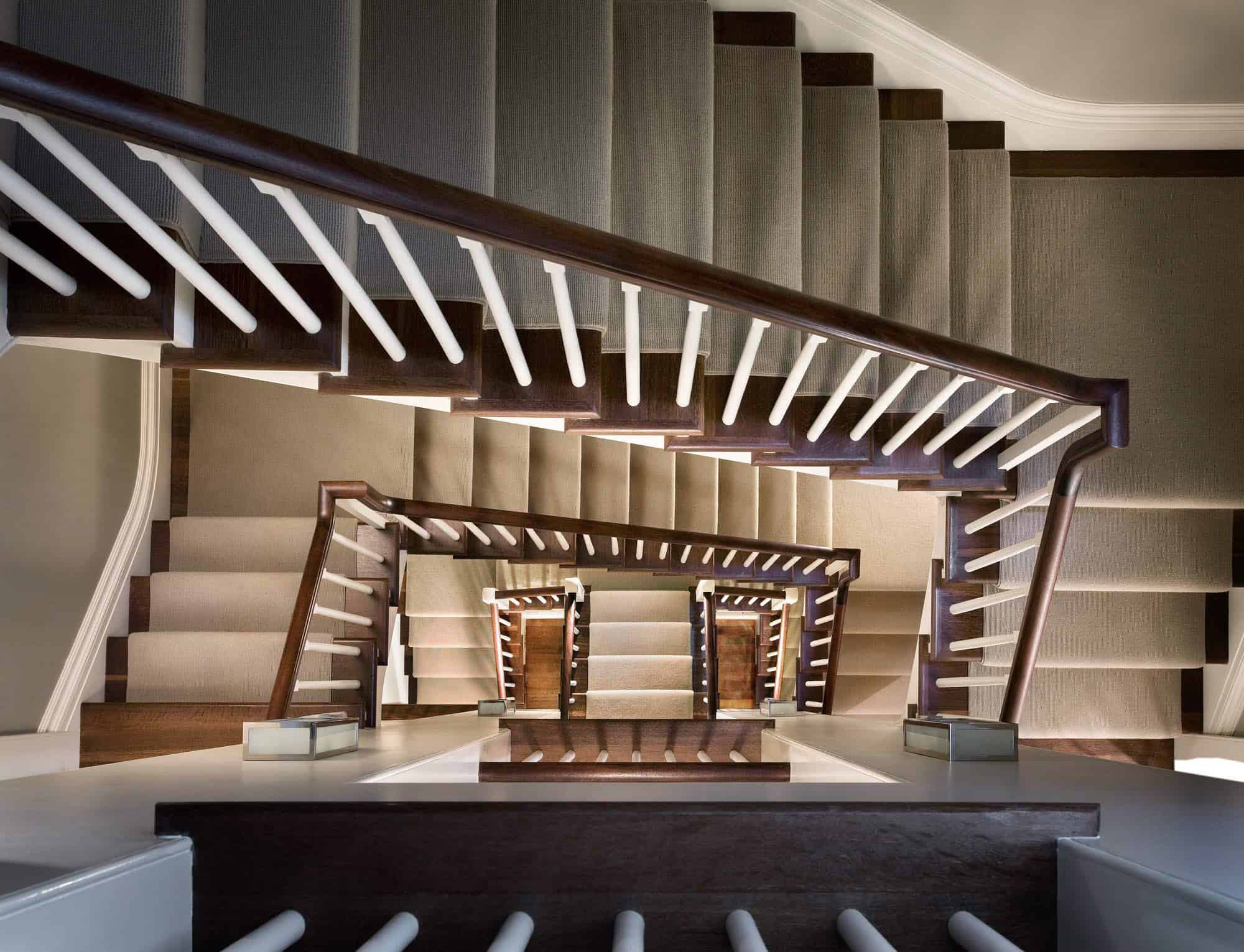
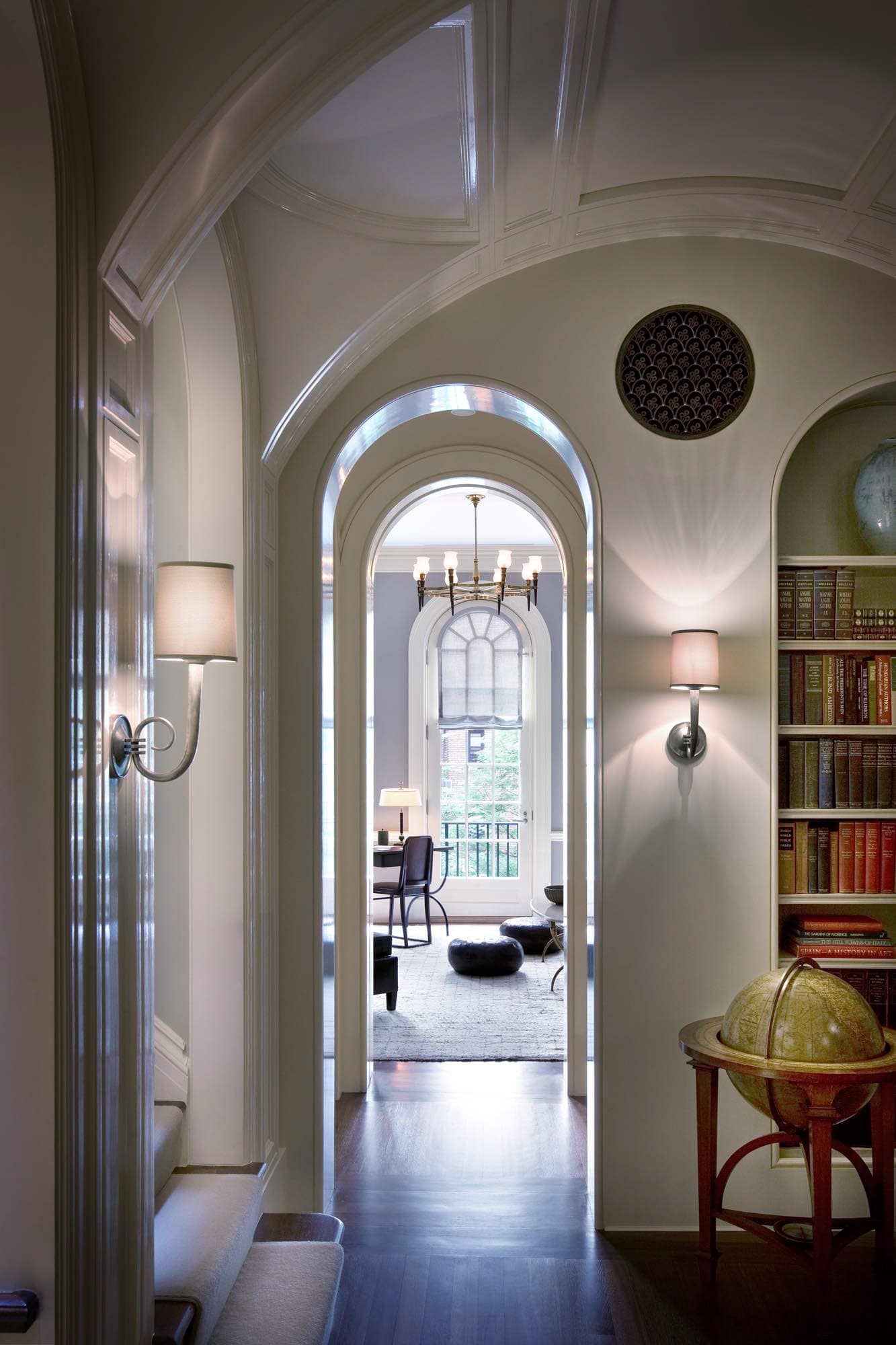
Internally, the layout was reconfigured to create a more open and functional living space. A single-run staircase was relocated to the building’s core, serving as a central axis that connected the various levels. An atypical double-stretch of stairs ascended to a vaulted library on the parlor level, drawing inspiration from James Wyatt’s Heveningham Hall. This design choice added a sense of verticality and grandeur to the interior, enriching the spatial experience.
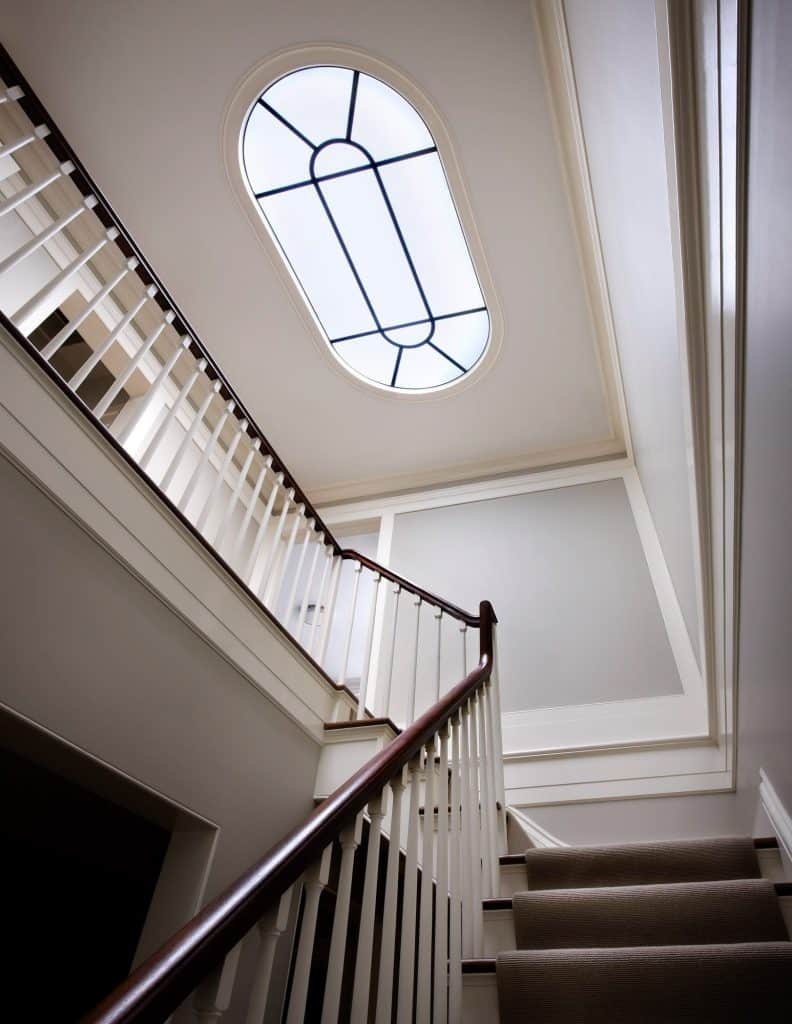
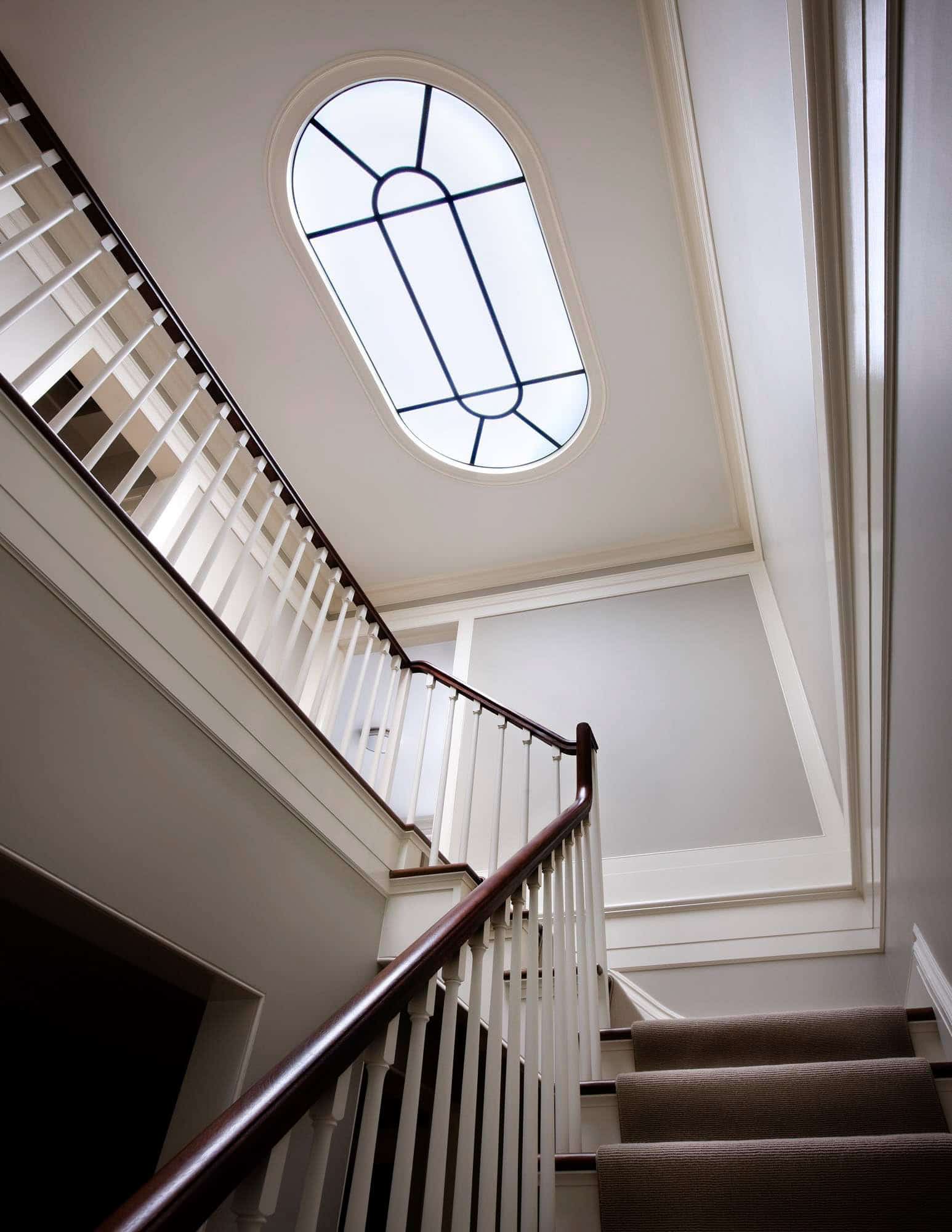
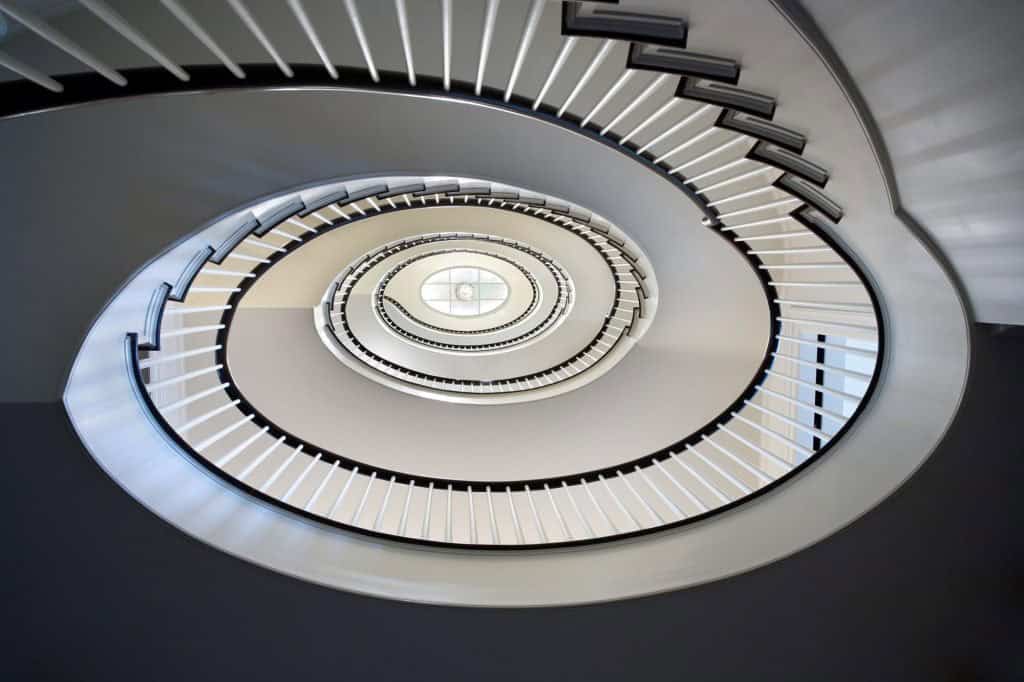
The upper levels were designed to accommodate bedrooms and private areas, with the staircase leading to these spaces ascending beneath a stripped-down laylight on the fifth floor. This architectural feature allowed natural light to penetrate deeper into the building, enhancing the interior’s brightness and airiness. The thoughtful reorganisation of spaces ensured that the home met the needs of modern living while respecting the building’s historical context.
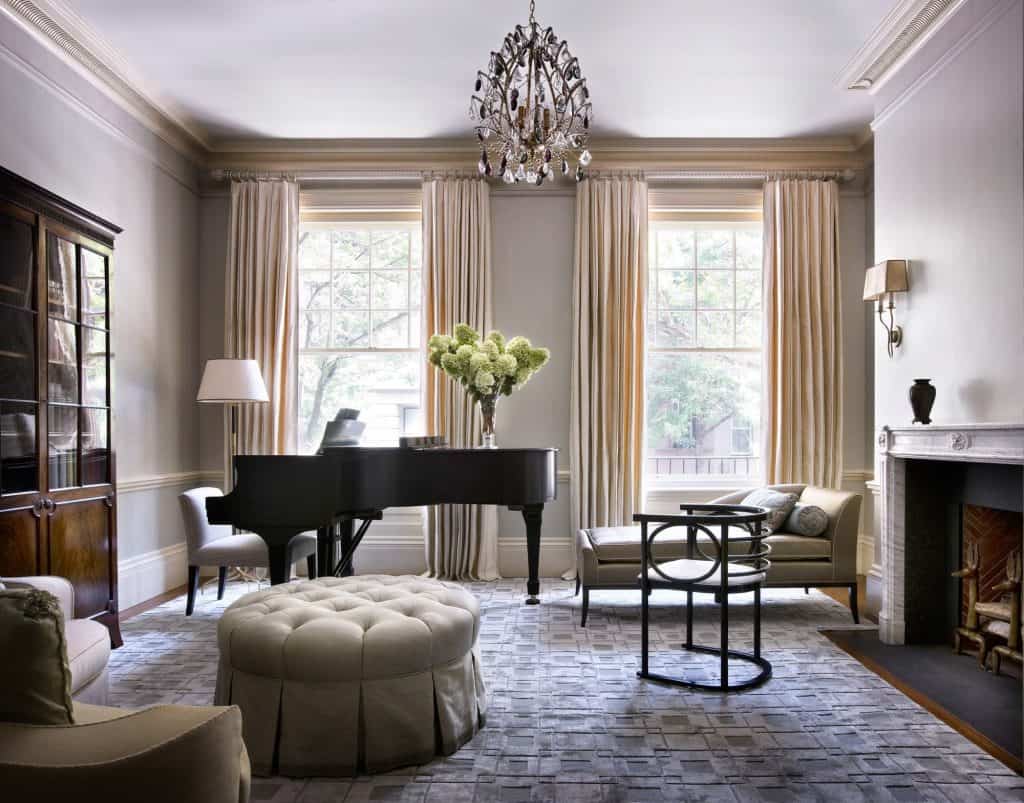
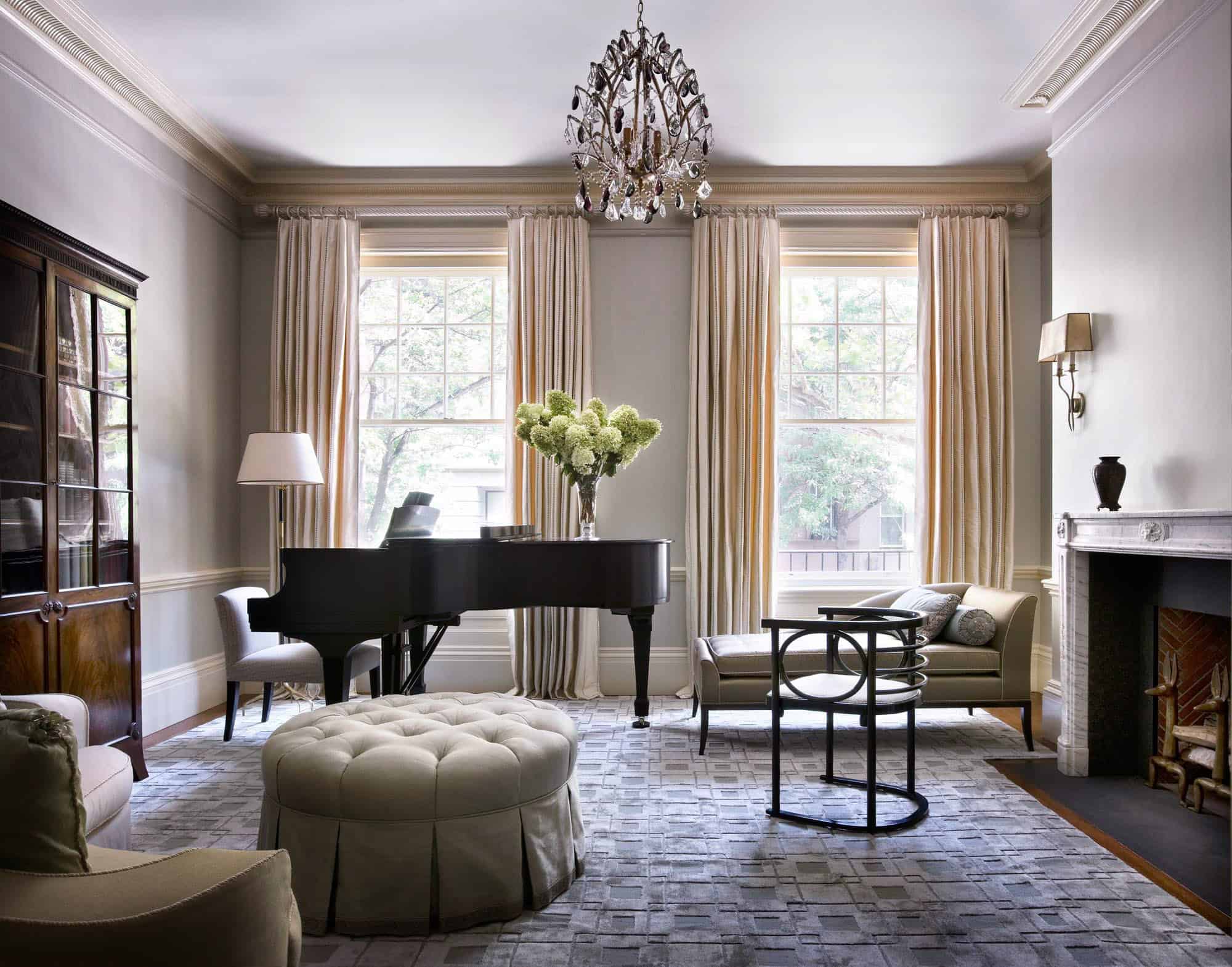
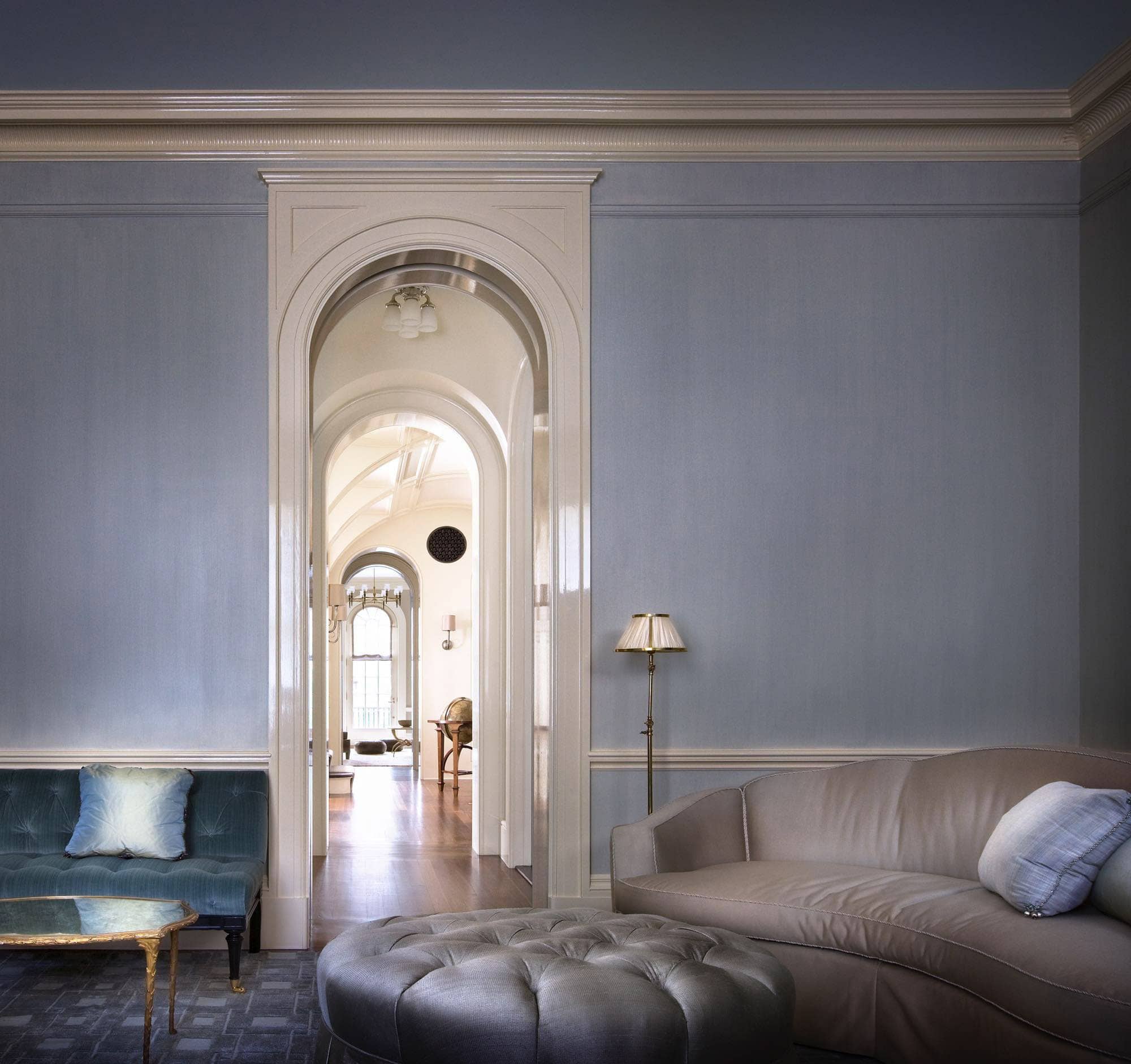
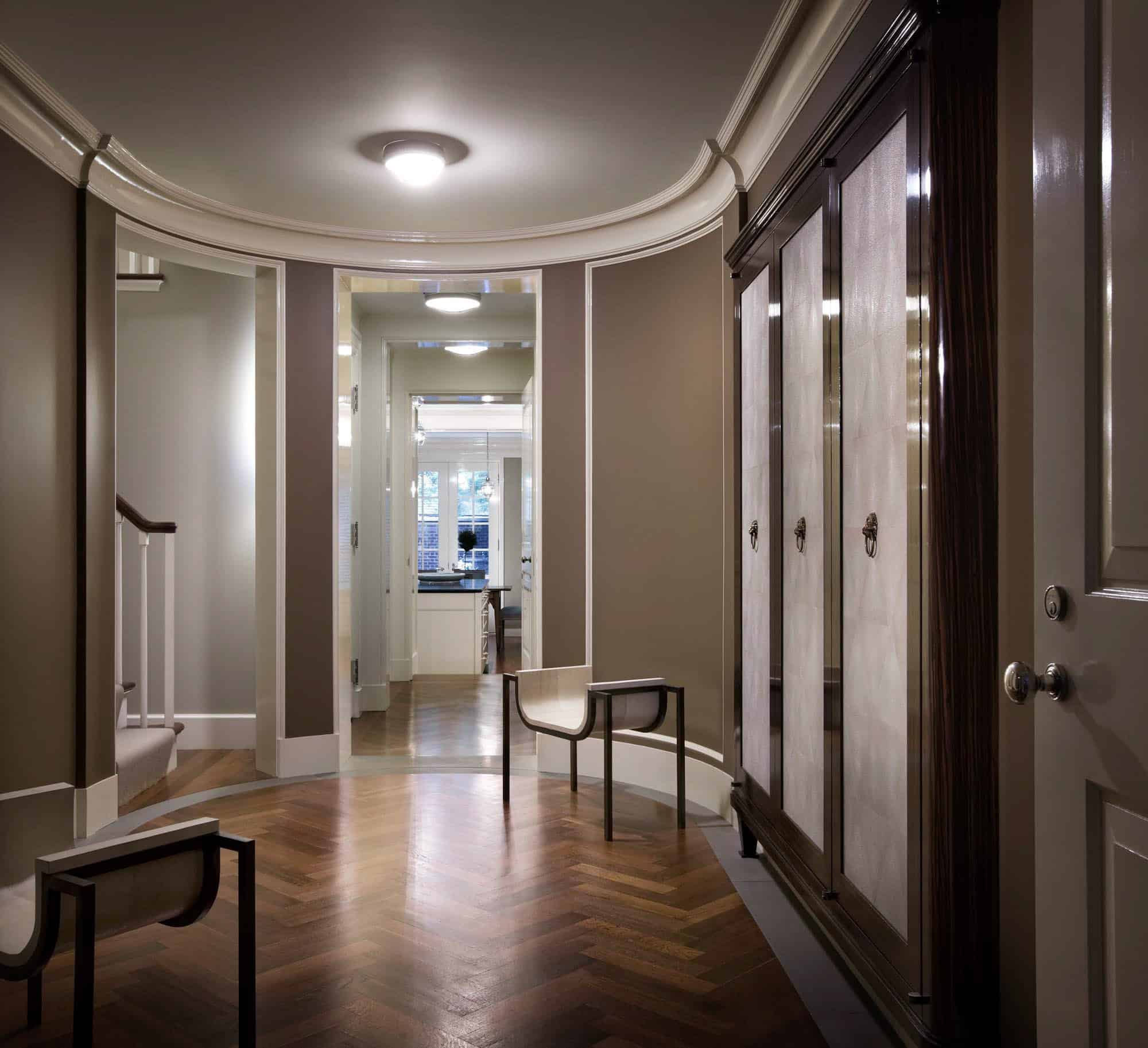
Interior designer Matthew Patrick Smyth was commissioned to decorate the interiors, choosing a colour palette of blues and browns that evoked a sense of warmth and sophistication. This selection complemented the architectural elements and created a cohesive aesthetic throughout the home. The furnishings and finishes were carefully curated to reflect both the building’s history and the clients’ contemporary lifestyle, resulting in a space that was both timeless and functional.
The landscape design, led by Maureen Hackett of Hackett Landscape Design, Inc., focused on creating a seamless transition between the indoor and outdoor spaces. The rear terraces were thoughtfully landscaped to provide private retreats that offered views of the city while maintaining a sense of seclusion. The use of plantings and materials that complemented the building’s architecture ensured that the outdoor spaces were an integral part of the home’s overall design.
The Carnegie Hill Brownstone stands as a testament to Peter Pennoyer Architects’ expertise in historic preservation and adaptive reuse. By thoughtfully restoring and reimagining this residence, the firm has contributed to the ongoing vitality and character of New York City’s architectural landscape. The project demonstrates a deep respect for the past while embracing the possibilities of contemporary design, resulting in a home that honours its history and serves the needs of its inhabitants.
This project also highlights the firm’s commitment to contextual design, ensuring that the building’s new elements were in harmony with the surrounding architecture. The careful selection of materials, proportions, and detailing reflected an understanding of the neighbourhood’s architectural language, contributing to the overall cohesion of the streetscape. The Carnegie Hill Brownstone is a prime example of how thoughtful design can breathe new life into historic structures, preserving their legacy while adapting them for modern use.
The success of the Carnegie Hill Brownstone underscores the importance of collaboration between architects, interior designers, and landscape architects in realising a cohesive vision. Each discipline brought its expertise to the project, resulting in a harmonious integration of architecture, interior design, and landscape that enhanced the overall living experience. The project’s completion in 2008 marked a significant achievement in the firm’s portfolio, showcasing their ability to navigate the complexities of historic preservation while delivering contemporary, livable spaces.
In conclusion, the Carnegie Hill Brownstone is a distinguished example of Peter Pennoyer Architects’ approach to residential design, where historical preservation and modern living converge. The project’s thoughtful restoration and innovative design solutions have revitalised a historic building, ensuring its continued relevance and beauty in the 21st century. This residence not only honours its architectural heritage but also provides a comfortable and stylish home for its occupants, embodying the firm’s philosophy of creating timeless, contextually sensitive designs.
Gallery
Explore more on Archtene
- More projects by Peter Pennoyer Architects
- More projects in New York
- More House projects