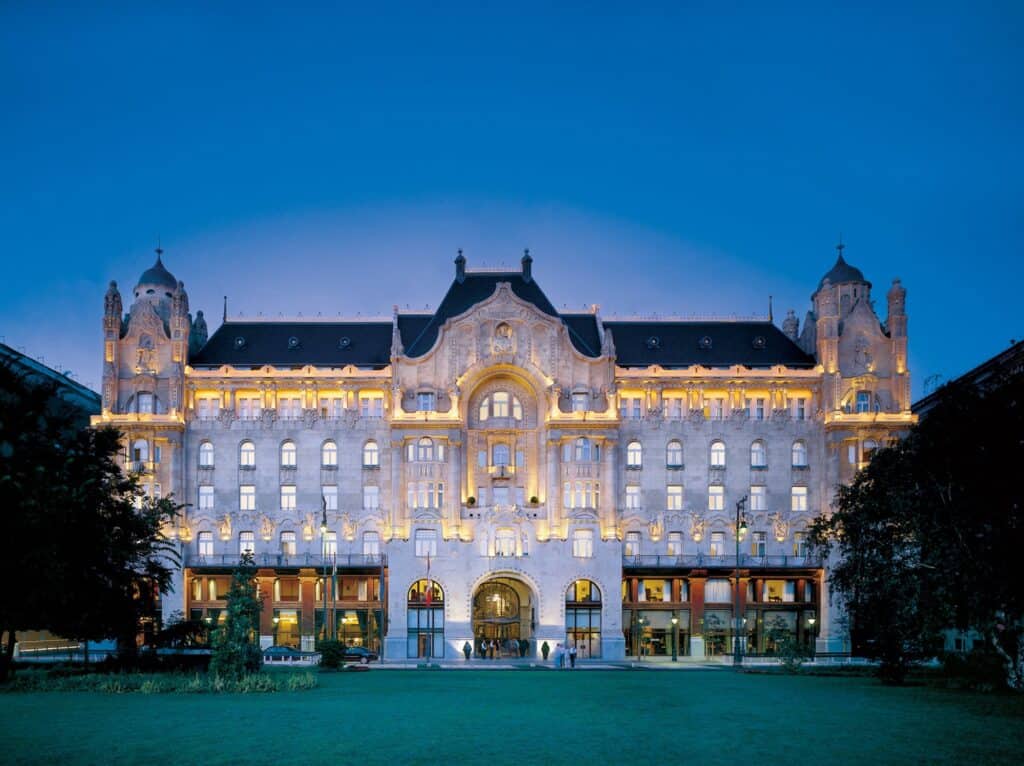
Four Seasons Hotel Gresham Palace by Formanyelv and Richmond International in Budapest, Hungary
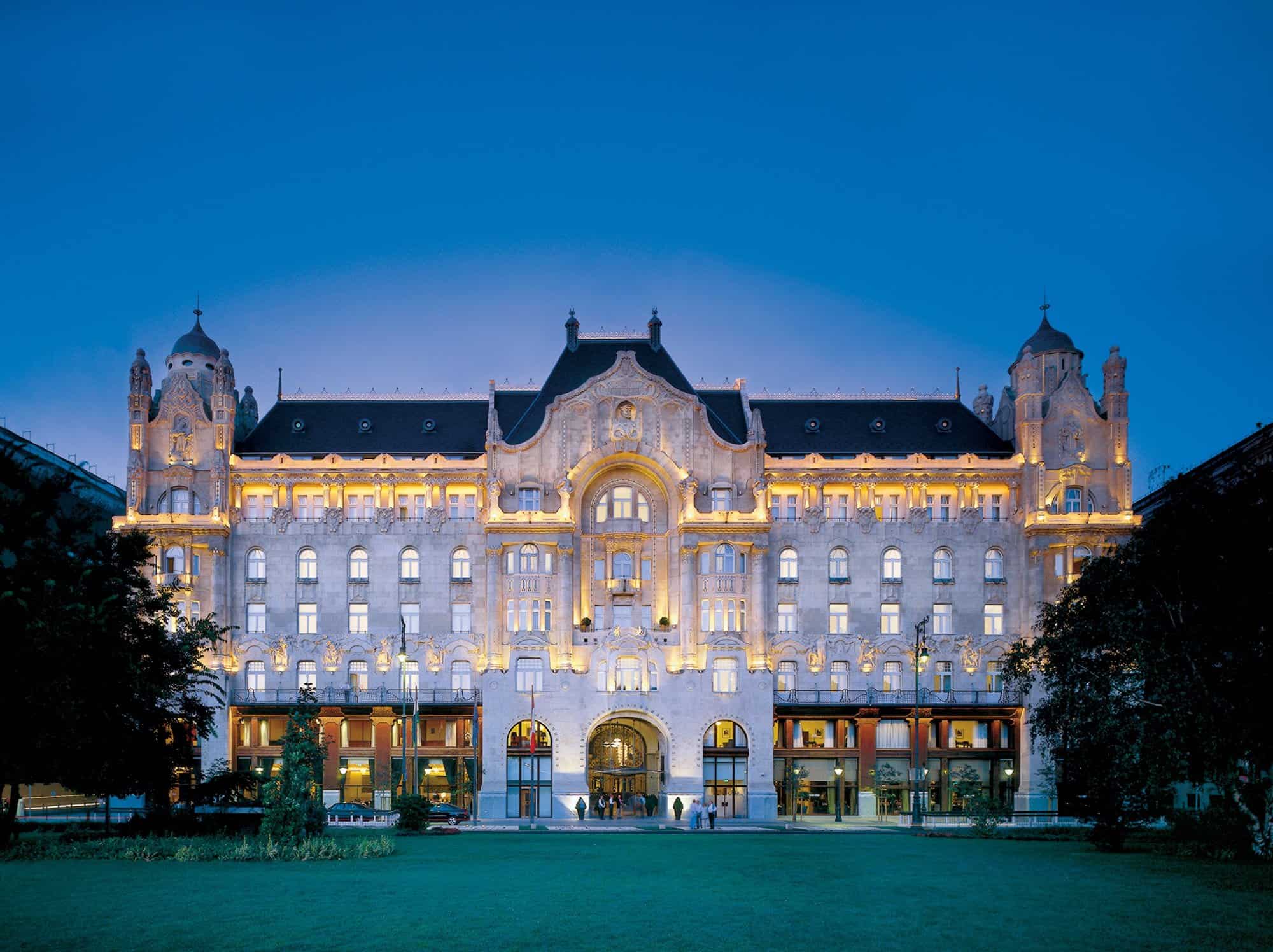
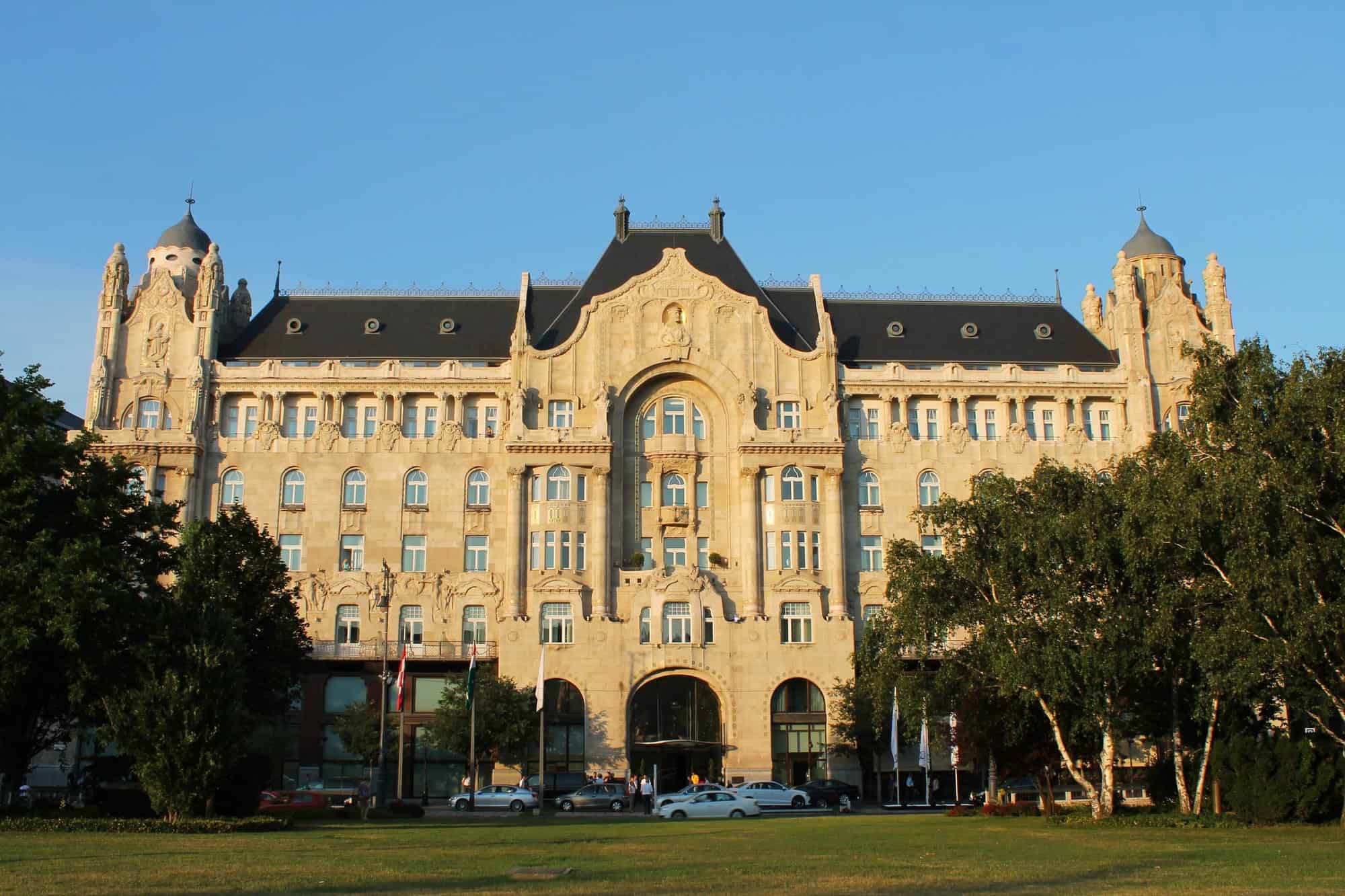
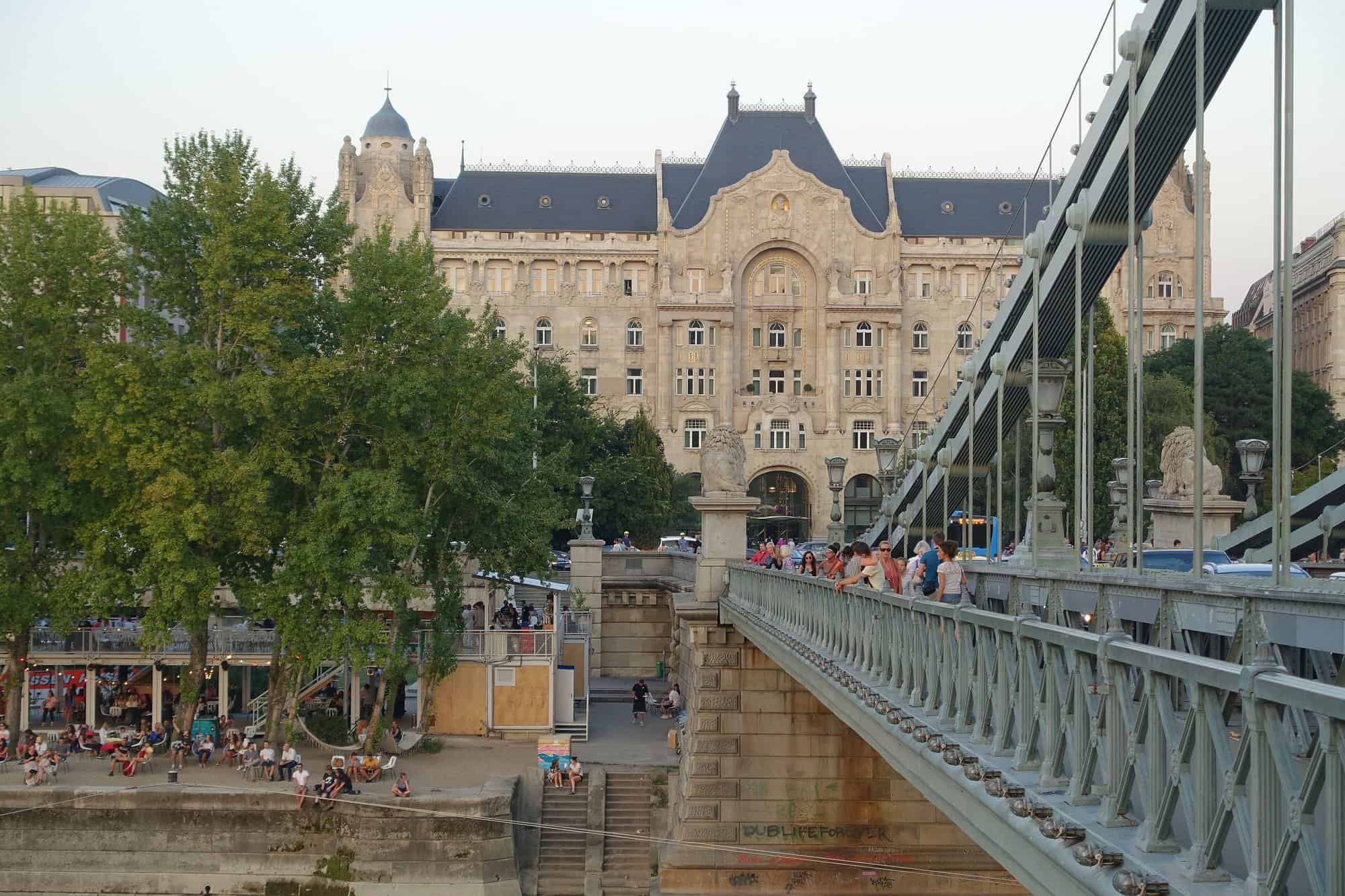
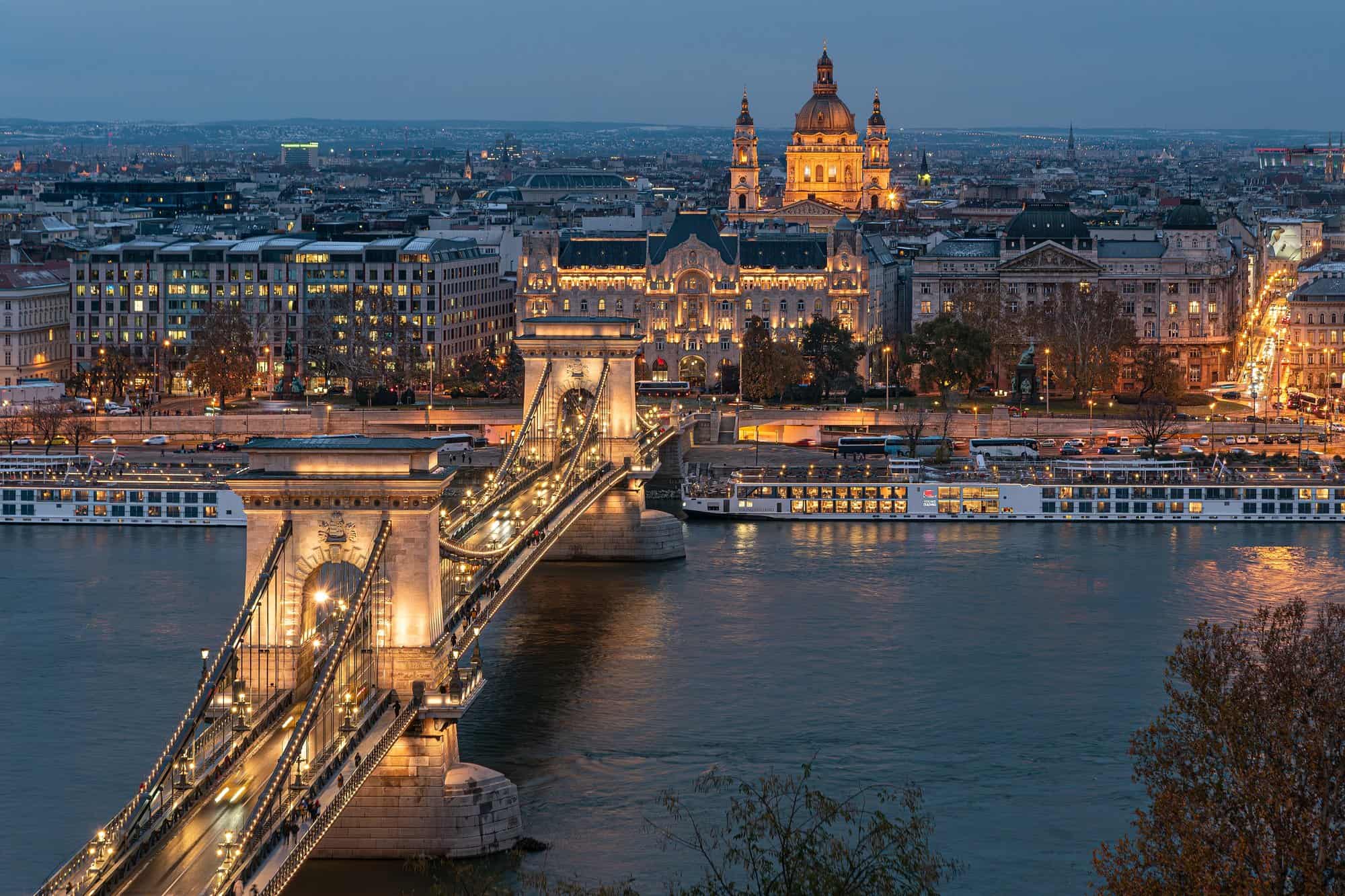
Four Seasons Hotel Gresham Palace is a luxury hotel on Széchenyi István tér in Budapest, Hungary, set in the Gresham Palace, the Art Nouveau office and apartment building that Zsigmond Quittner designed with the brothers József Vágó and László Vágó for the Gresham Life Assurance Company of London and completed in 1906. Facing the Danube at the Pest end of the Széchenyi Chain Bridge, the long-neglected palace was restored and converted by the Hungarian practice Formanyelv, led by senior architect Gábor Kruppa, with interiors by Richmond International of London, and it reopened as a Four Seasons hotel in June 2004. It joins other heritage hotels on Archtene such as Four Seasons Hotel Madrid, Raffles Europejski Warsaw and Gleneagles Townhouse.
An insurance palace on the Danube, 1906
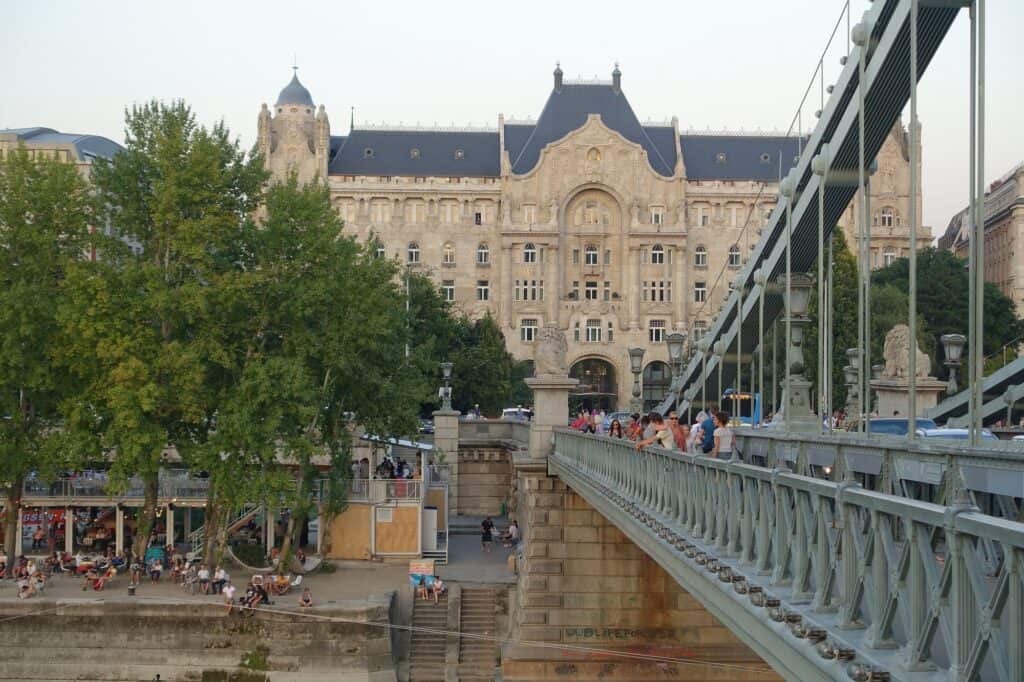
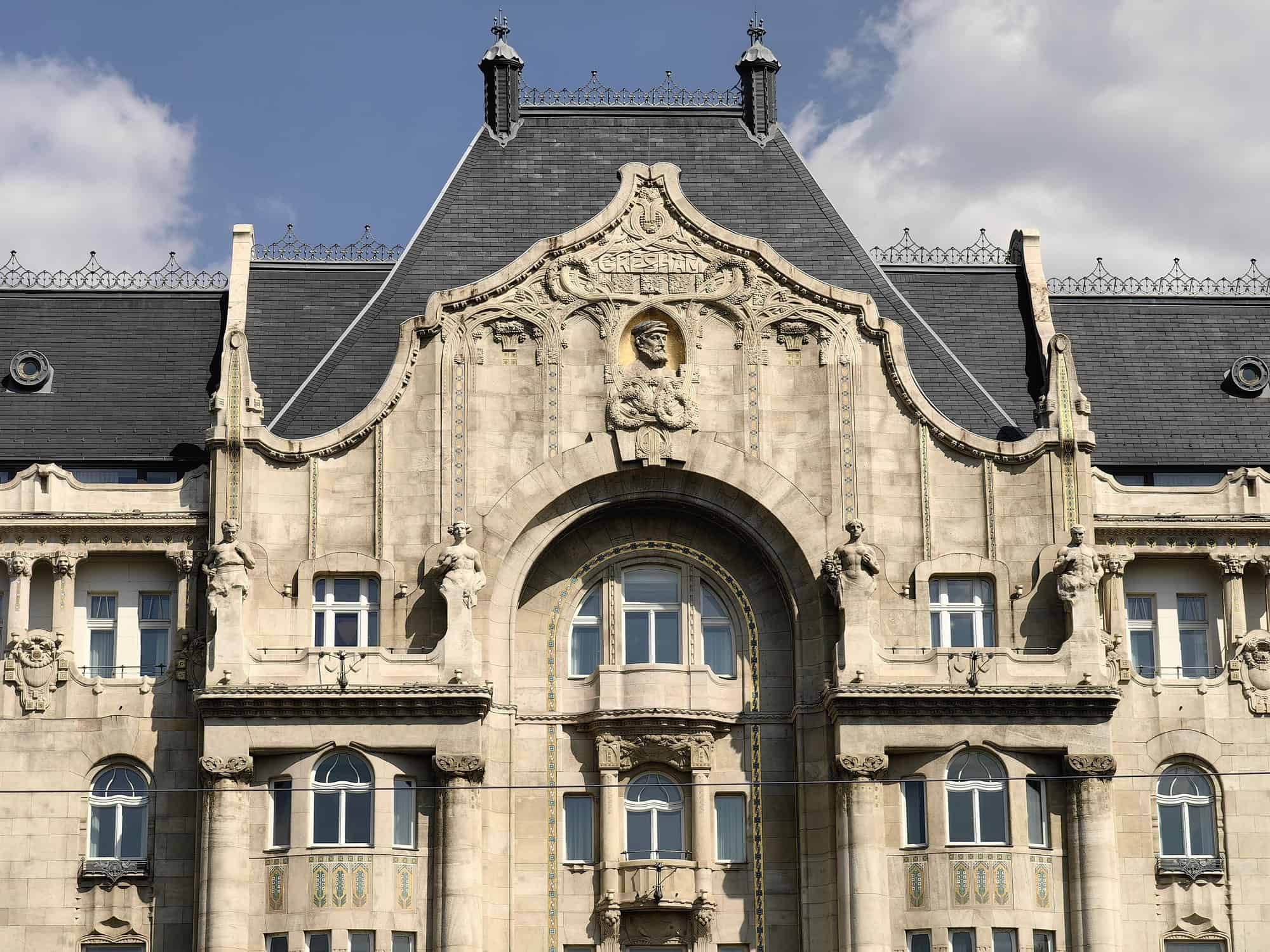
The site was once occupied by the Nákó House, a neo-classical palace of 1827, which the London-based Gresham Life Assurance Company bought in 1880. The insurer later decided that its Budapest headquarters deserved a grander setting and commissioned Quittner and the Vágó brothers; construction began in 1904, the building was completed in 1906 and it opened in 1907. It was named after Sir Thomas Gresham, the sixteenth-century English financier who founded the Royal Exchange in London, and a bust said to portray him crowns the central gable. Behind the stone front the palace held the company’s offices, shops and a café on the ground floor and spacious apartments above, and it was fitted with the latest comforts, including central heating and, reportedly, a central vacuum-cleaning system. The Gresham Café became the meeting place of a circle of artists known as the Gresham circle.
Peacock gates, Zsolnay tiles and stained glass
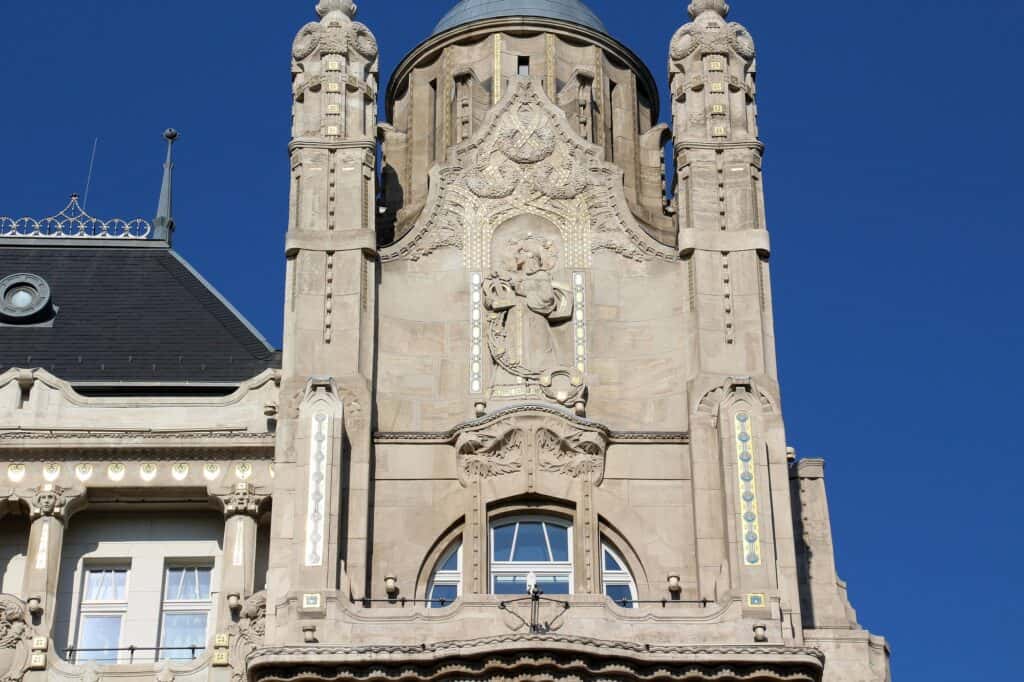
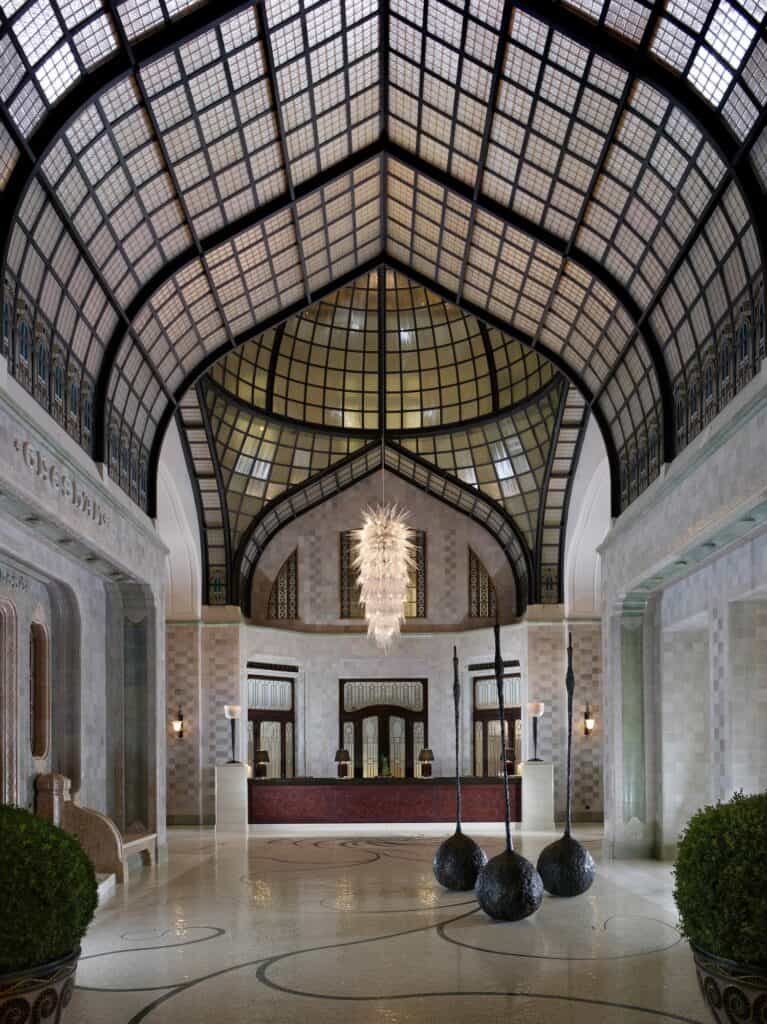
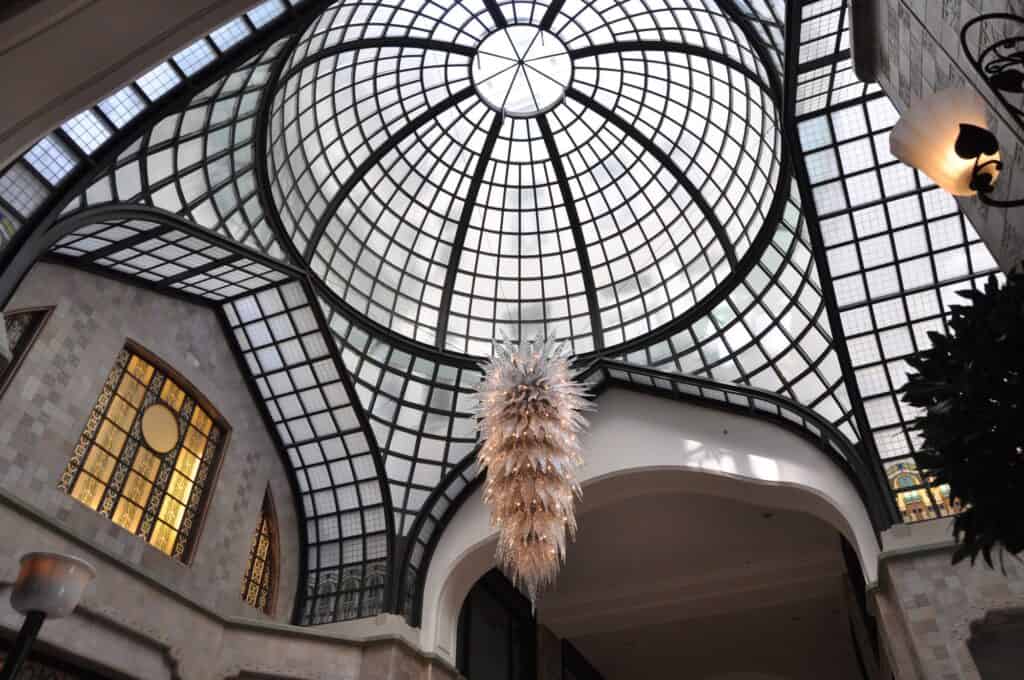
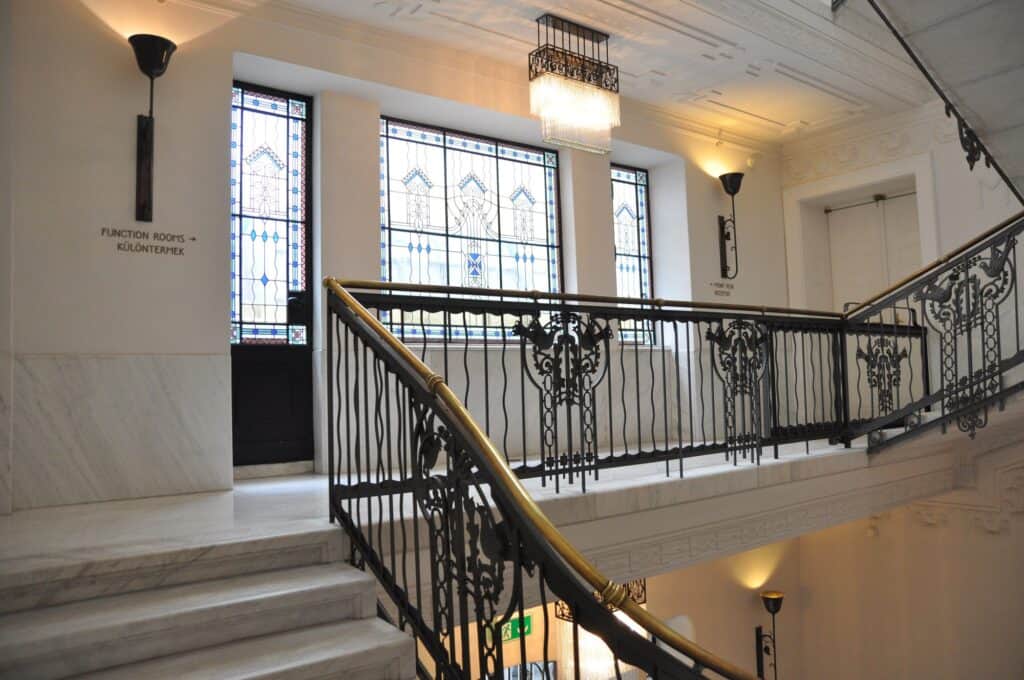
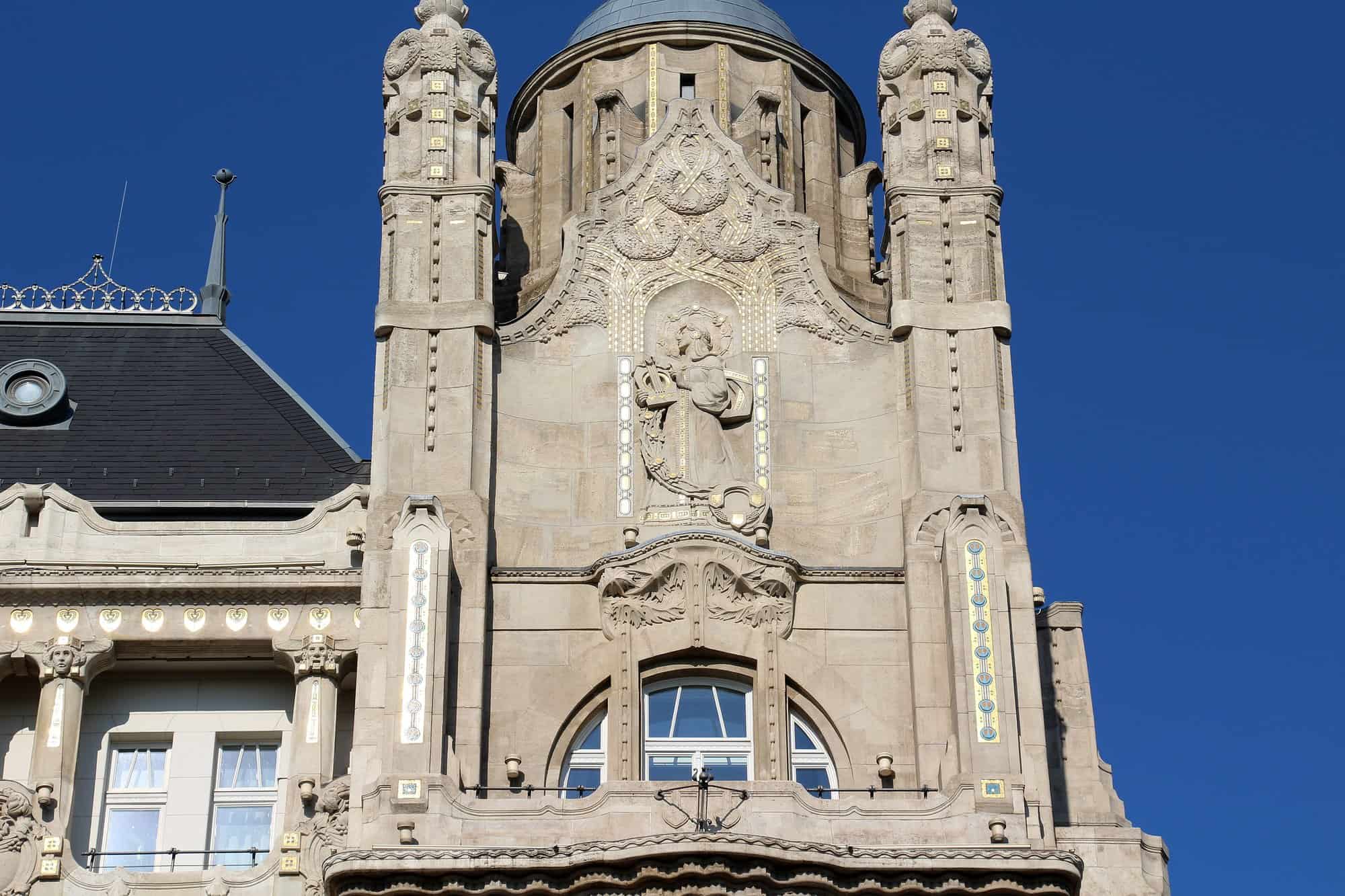
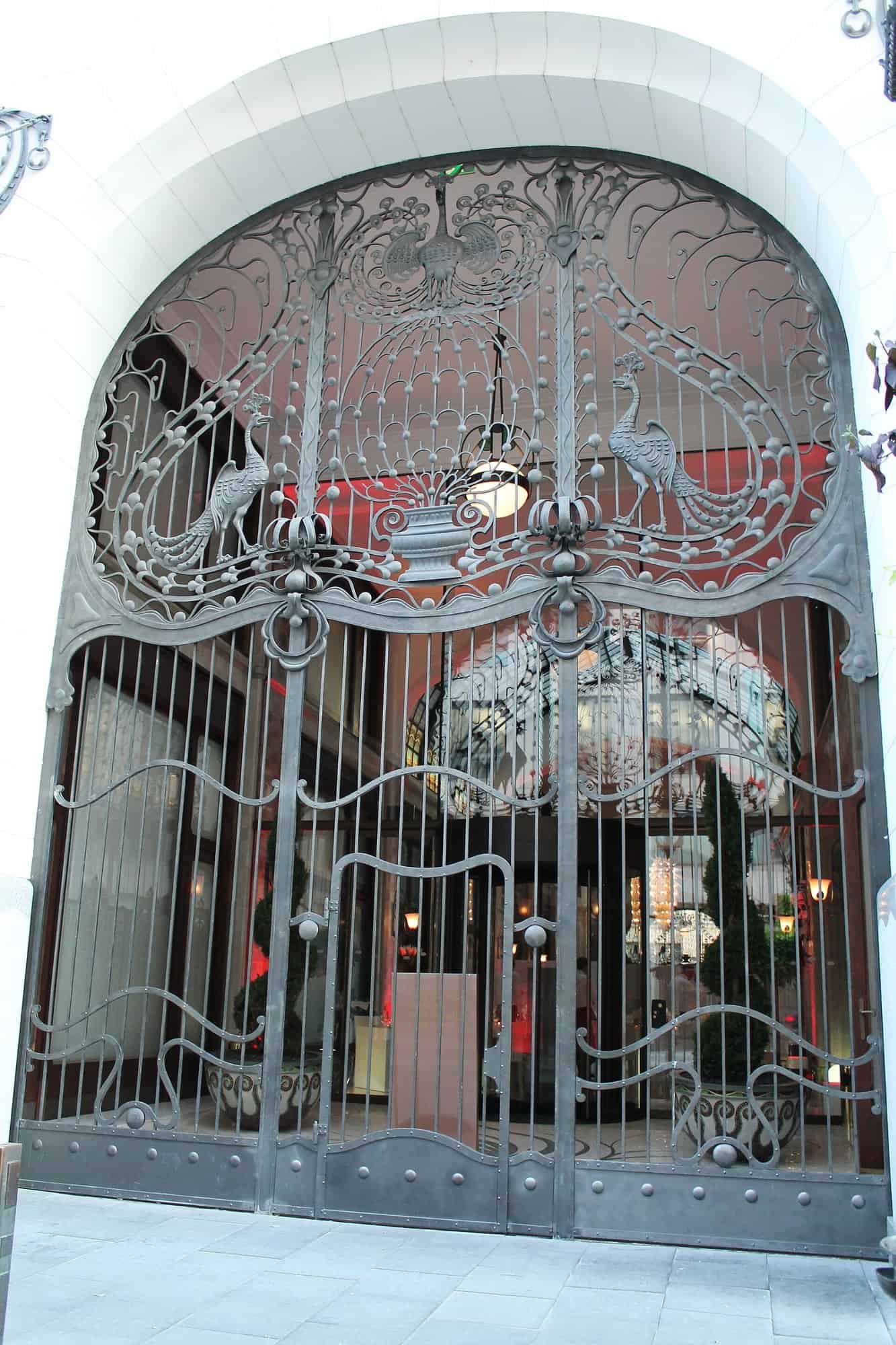
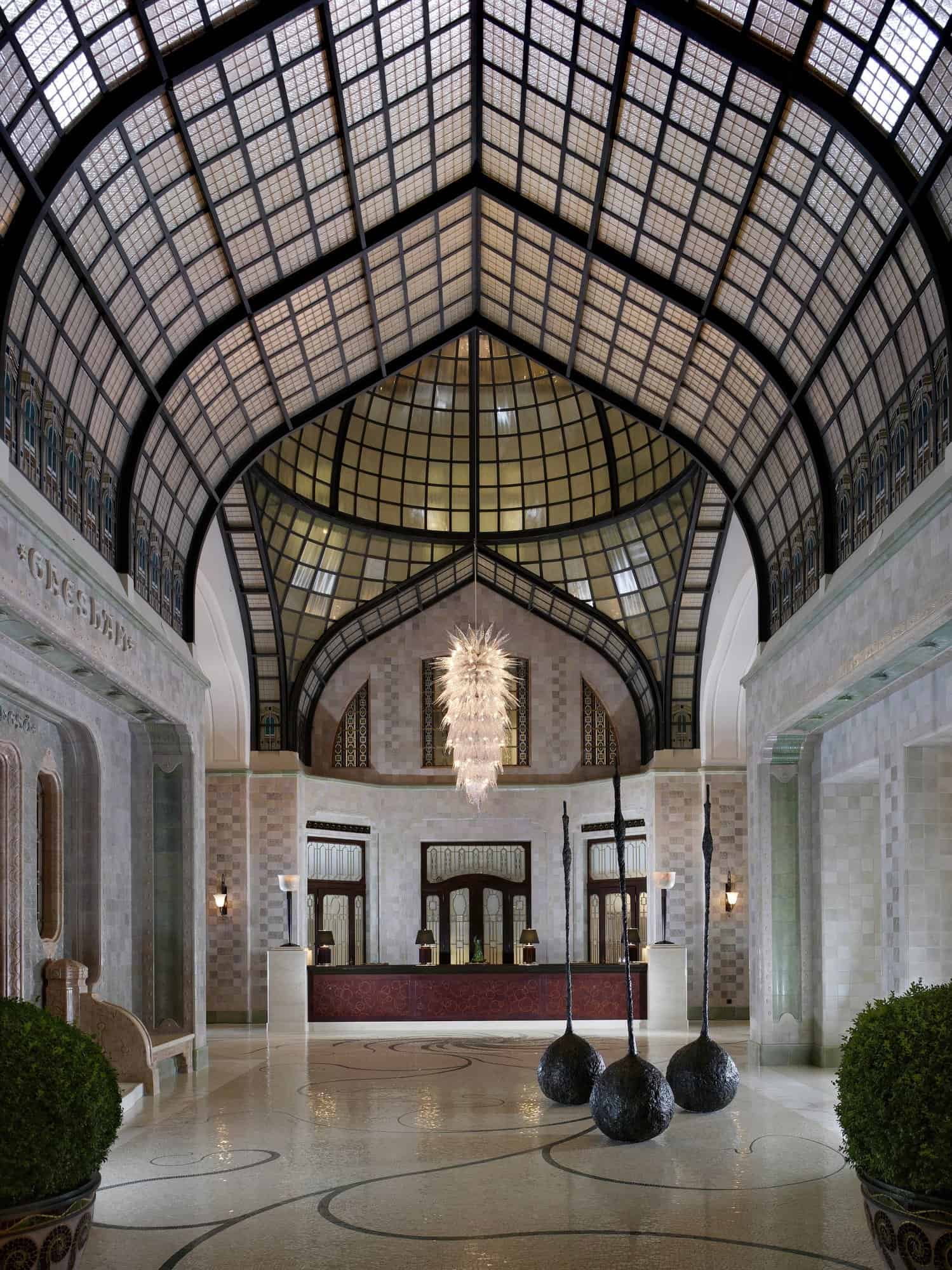
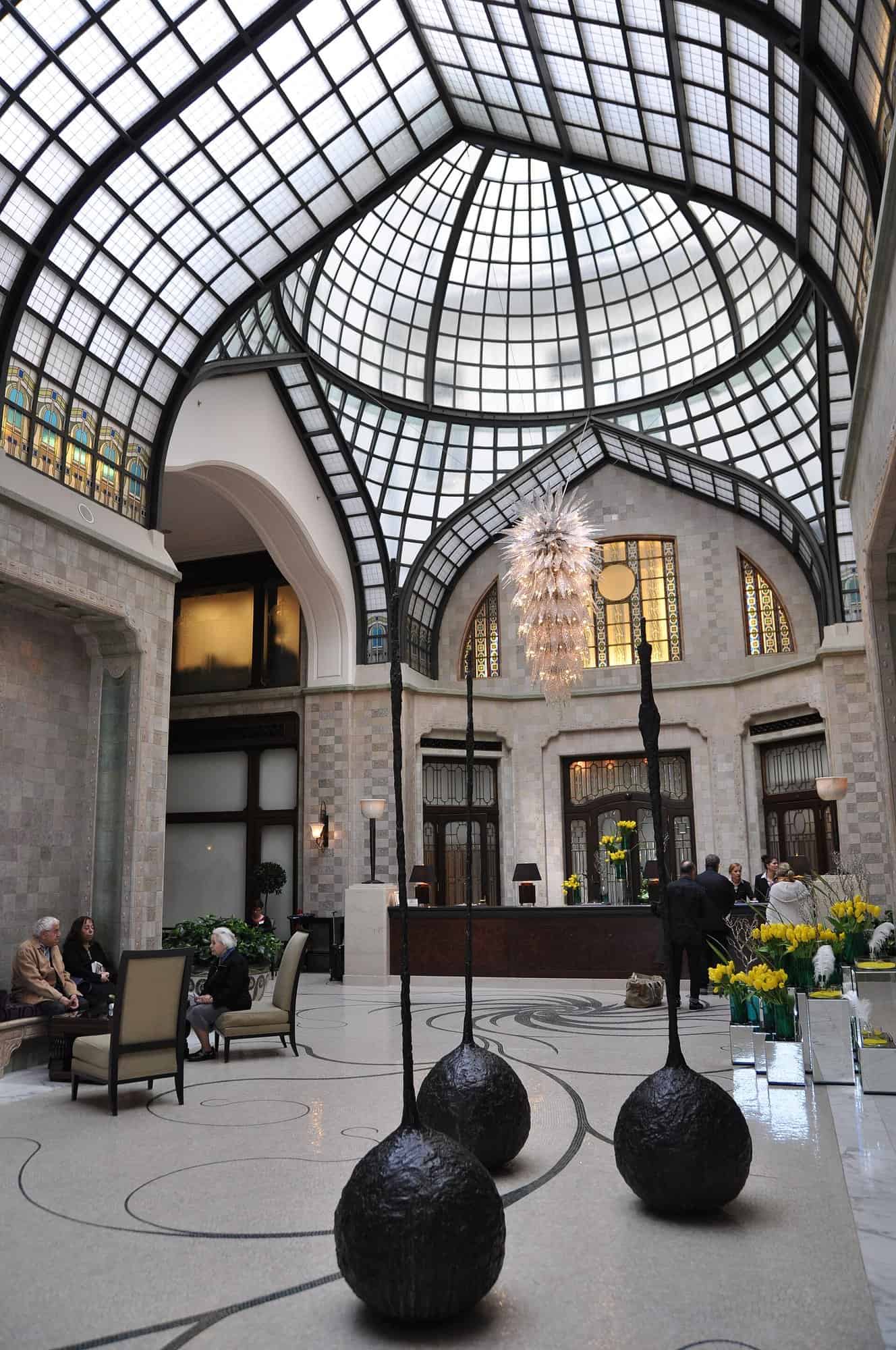
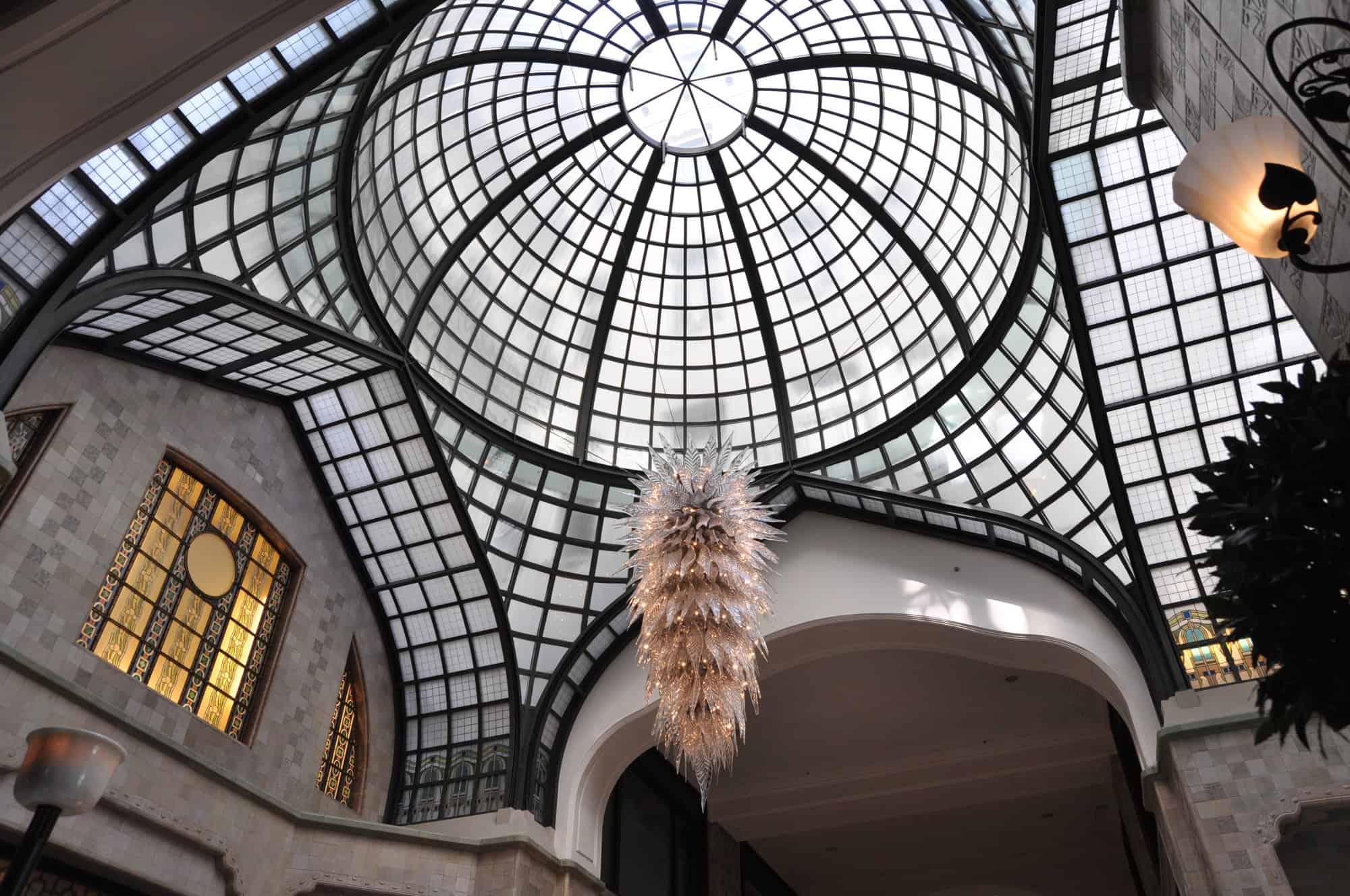
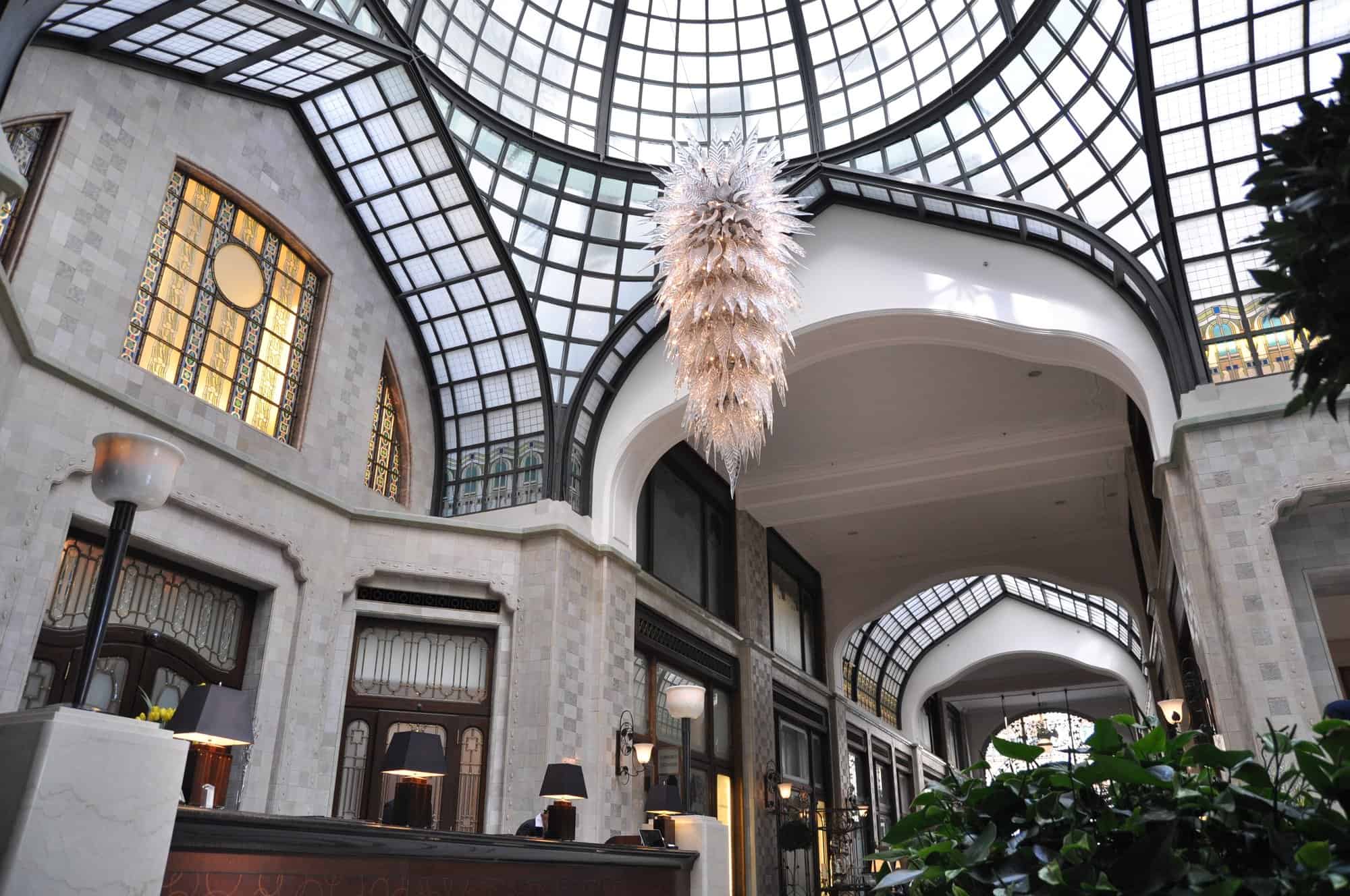
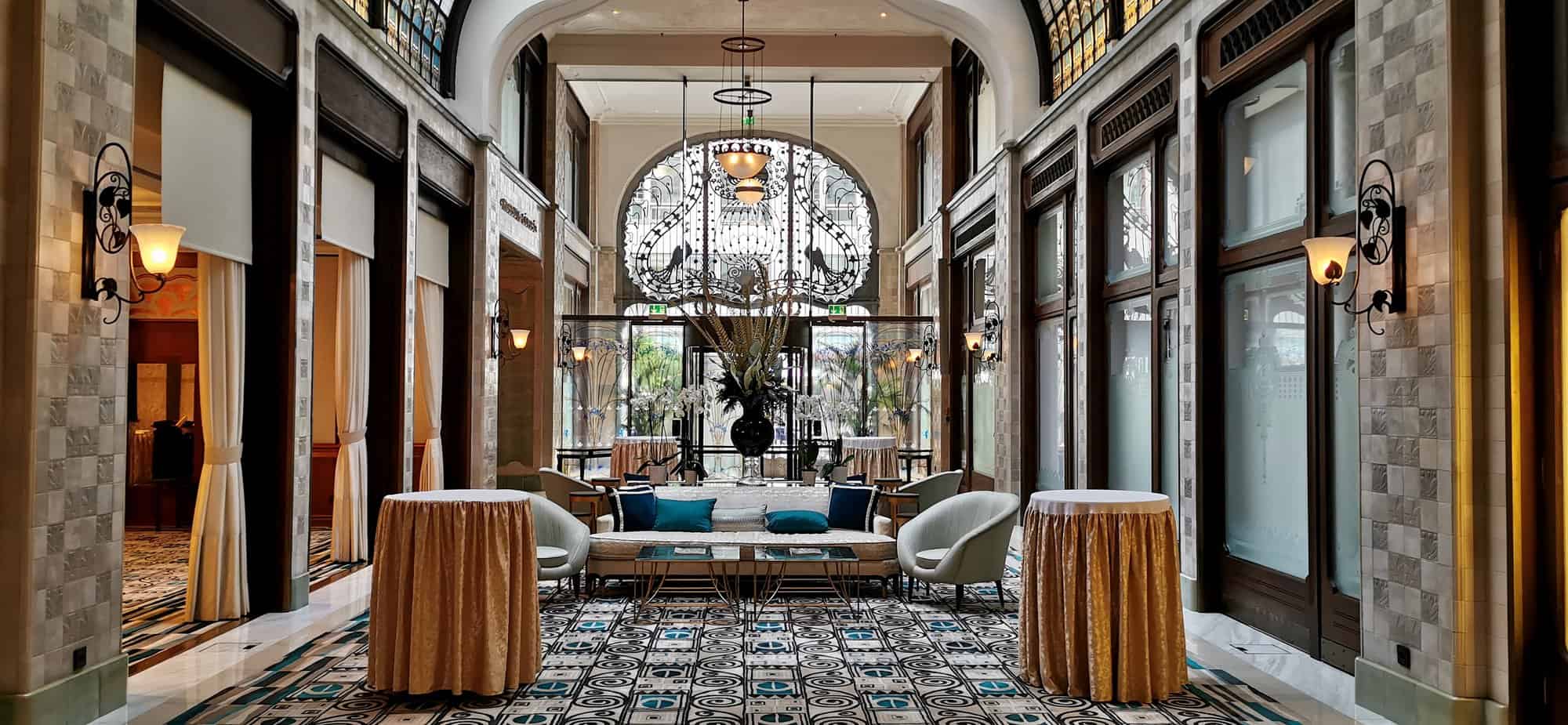
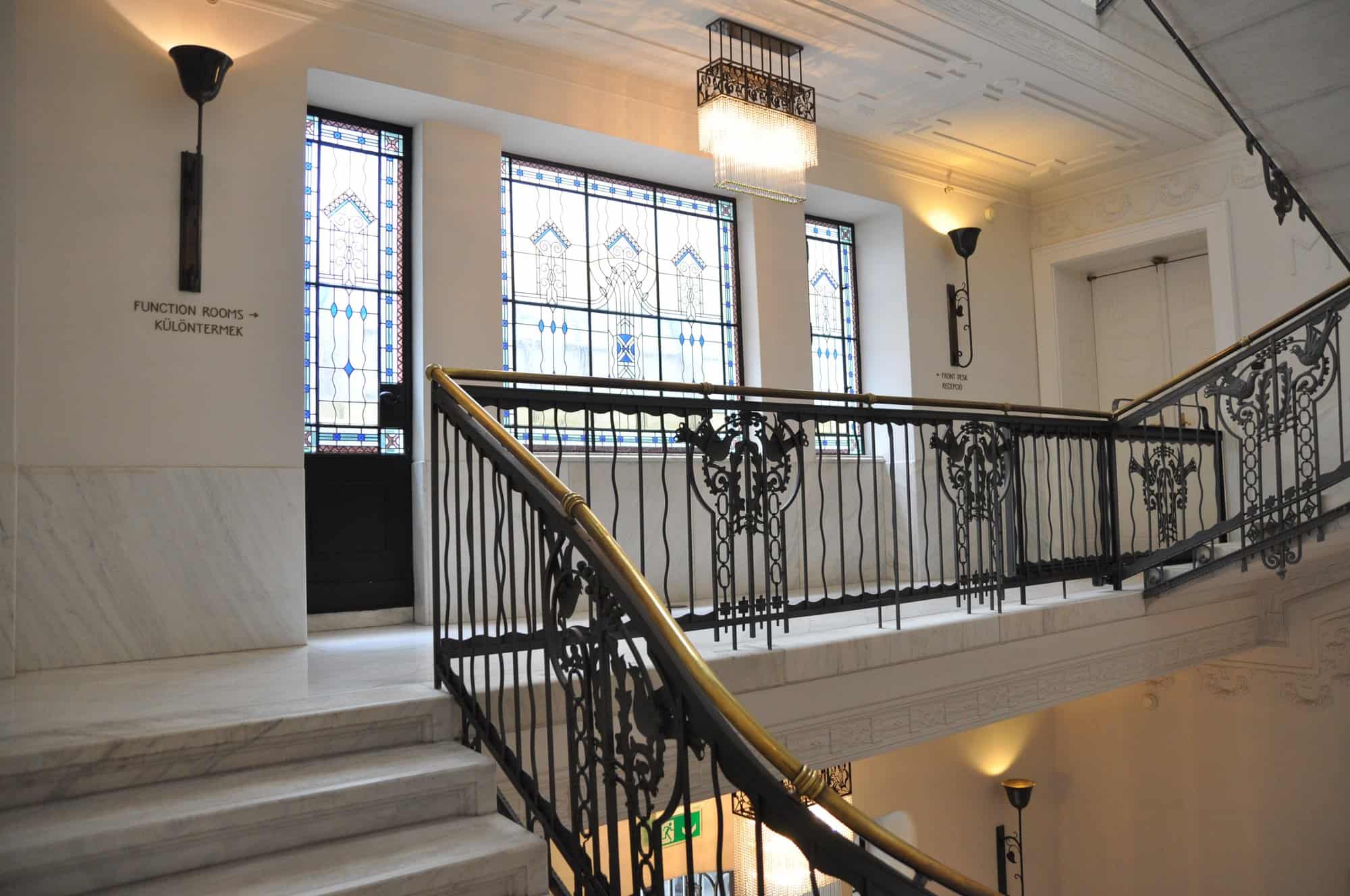
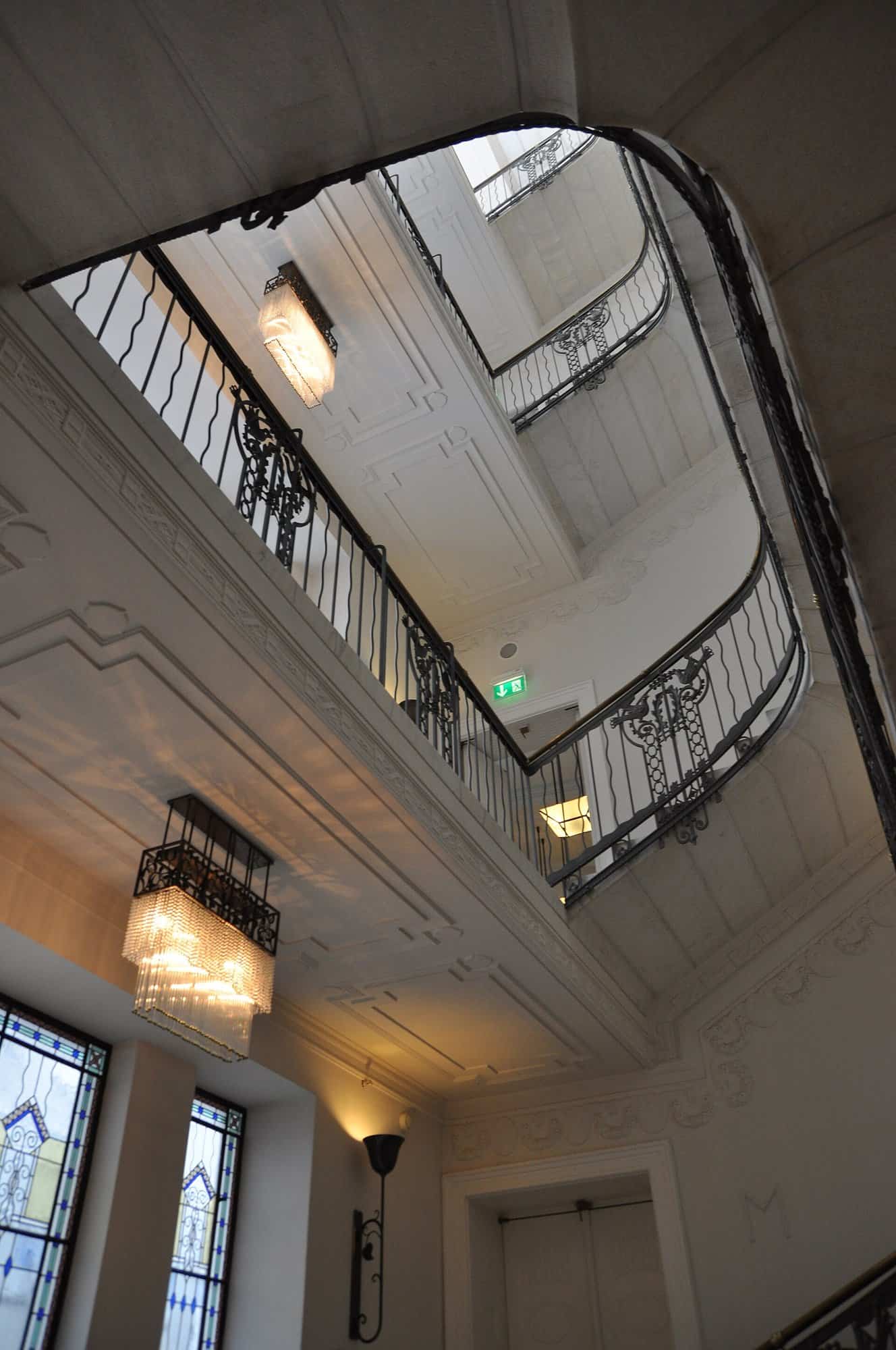
The building is one of the finest works of the Hungarian Secession, the local form of Art Nouveau, and the leading craftsmen of the day worked on it. The reliefs on the facade are by Géza Maróti, the stained glass and mosaics by Miksa Róth and the wrought ironwork by Gyula Jungfer, whose entrance gates are worked with spreading peacocks, while glazed ceramic tiles came from the Zsolnay factory in Pécs. On the ground floor a glass-roofed passage divided the building into three parts, its arms lined with Zsolnay tiles and shopfronts and meeting beneath a glass dome. Above, staircases with iron balustrades and stained-glass windows each served a pair of apartments, and the corner towers and gables of the river front are carved with figures, foliage and bands of coloured ceramic.
War, neglect and the long road to a hotel
When retreating German troops blew up the Chain Bridge in 1944, the blast destroyed the Gresham’s windows and gates and shook Zsolnay tiles from the walls. After the war the Red Army used the building as barracks, and under the People’s Republic its shops and flats were nationalised and it decayed into run-down apartments. Since 1987 it has stood within the Banks of the Danube World Heritage Site. In 1990 the state presented the palace to the city of Budapest; a hotel plan with Oberoi foundered in legal battles with residents, and in 1998 Gresco Investments won approval from the Budapest heritage authorities to rebuild it as a luxury hotel while keeping its Art Nouveau architecture. Four Seasons agreed in 1999 to oversee the reconstruction and manage the hotel, and from 2001 the Irish investor Quinlan Private carried the project through to the opening in June 2004.
Restoring the Gresham for Four Seasons
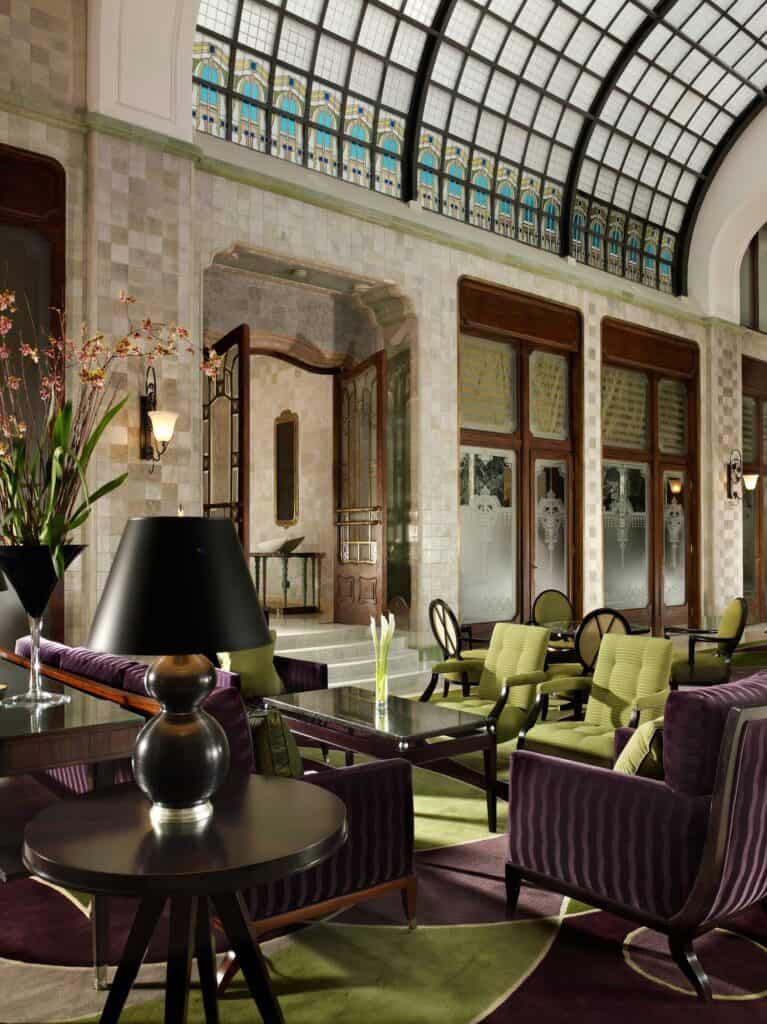
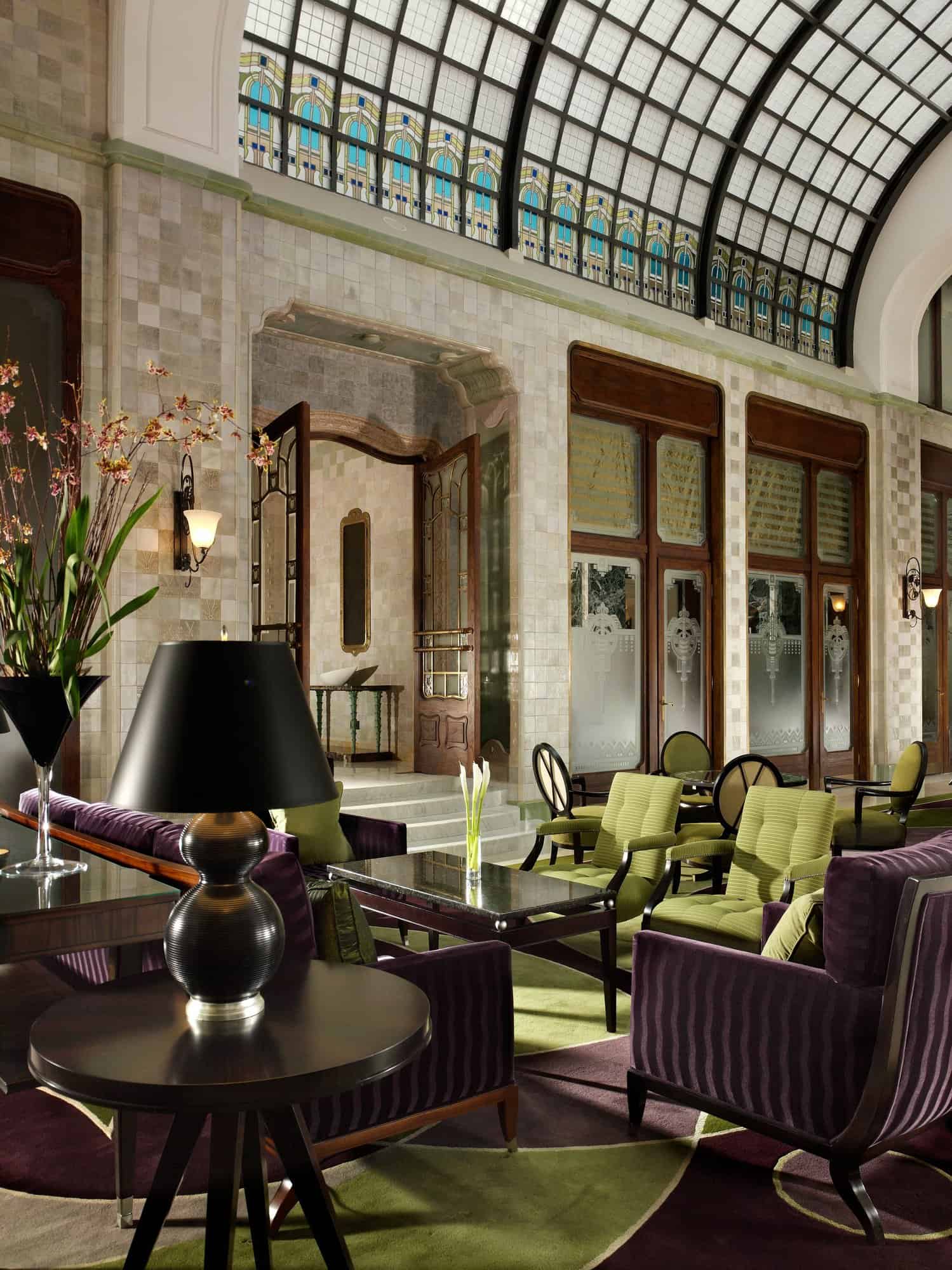
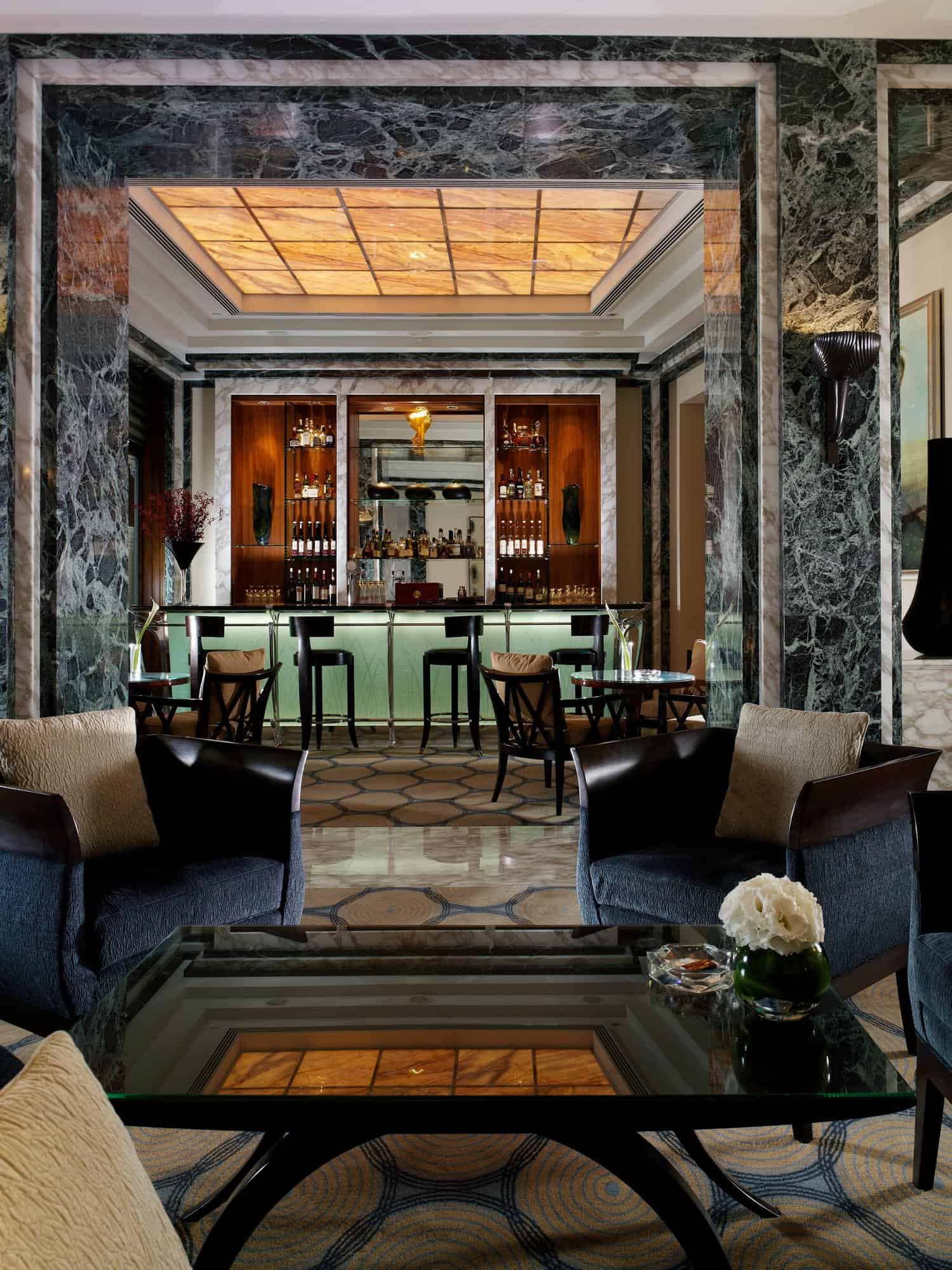
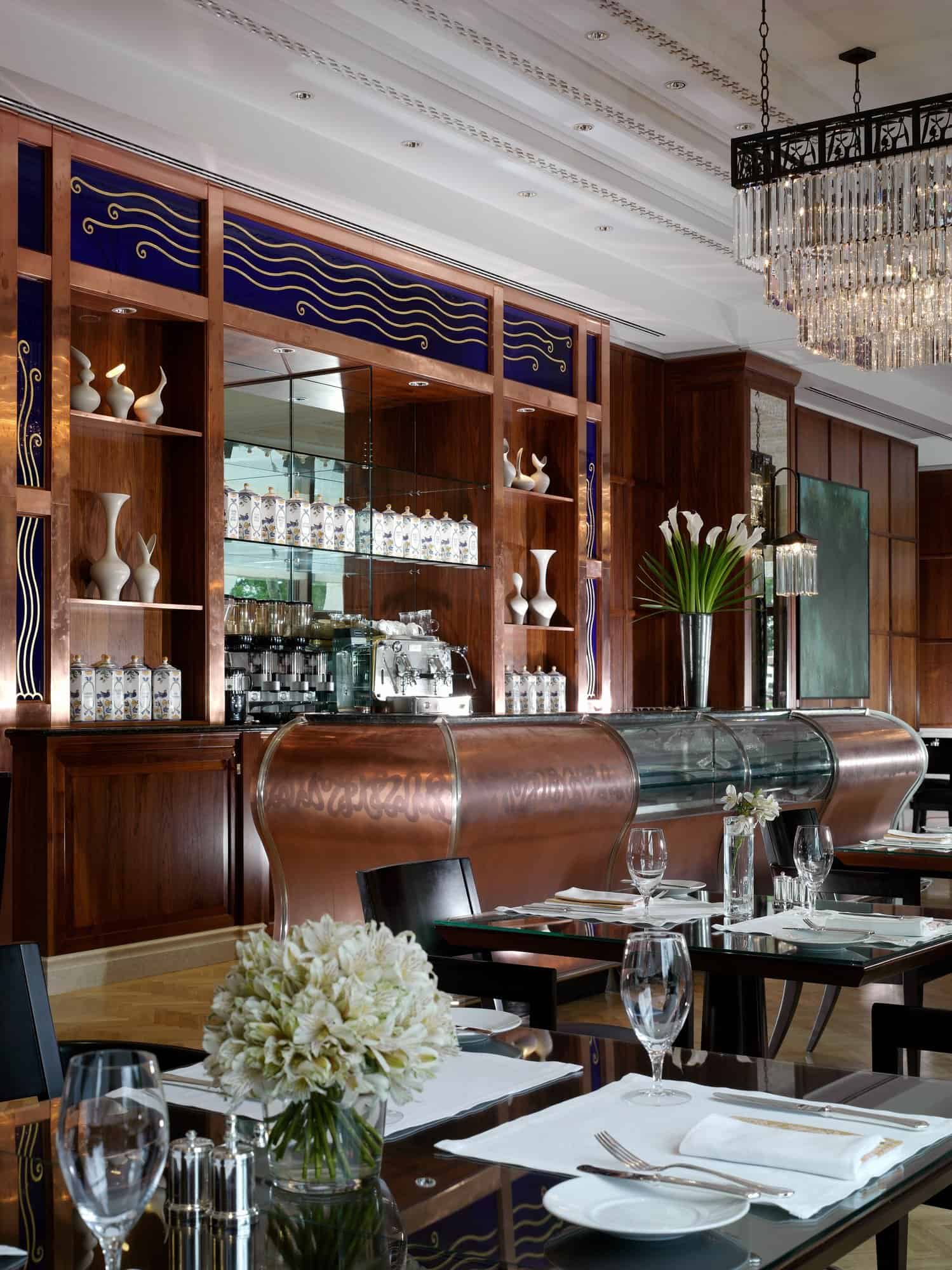
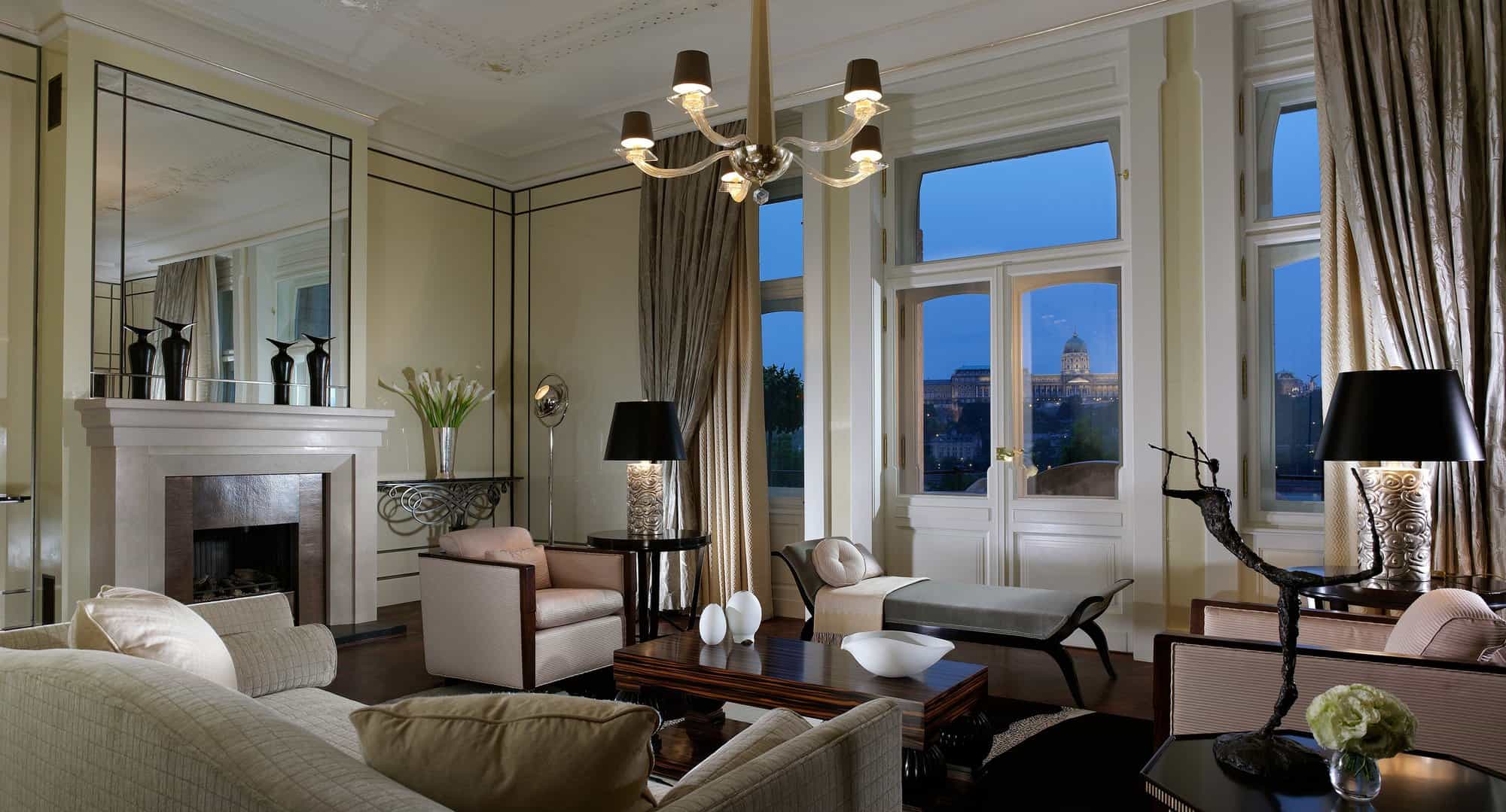
Because a hotel needed spaces much like those of the original building, Formanyelv found that the proportions of the rooms needed little change. The ground-floor passage became the hotel lobby, the ground and mezzanine floors again hold restaurants and cafés, and service rooms took over the former shops at the back. Upstairs, the large apartments were divided into guest rooms, with corridors running through their old dining rooms and entrance halls so that most rooms face the street, while some suites keep the original layout. Craftsmen restored the staircases, stained glass, mosaics, ironwork and winter gardens and recreated the glass dome; much of the decoration seen today is a faithful copy, and only one Miksa Róth window and one of the iron gates are said to survive from 1906. Replacing the Zsolnay tiles was the hardest task: matching their roughly fifty shades took more than a thousand test firings. Richmond International designed the interiors, from the lobby, restaurant, bar and spa to the guest rooms, and the project won the Budapest Award for Architectural Excellence. Since 2011 the 179-room hotel has been owned by Oman’s State General Reserve Fund, with Four Seasons still managing it.
Photography and credits
The photographs open with the floodlit facade at dusk and the palace by day across Széchenyi István tér, view it from the Chain Bridge and pick out the central gable and a corner tower before reaching the peacock gate. Inside they follow the glass-domed lobby and the tiled arms of the arcade, climb the staircase beneath its stained glass, and visit the bar and restaurant as Richmond International designed them and a suite looking across to Buda Castle, ending with a dusk view of the Chain Bridge leading to the Gresham. Six images published by Richmond International carry no photographer credit; the others are by Sarah Stierch, Christo, benjgibbs, Thaler Tamas, Fred Romero and Jorge Franganillo, as credited on Wikimedia Commons.
Four Seasons Hotel Gresham Palace gallery
Explore more on Archtene
- More projects by Formanyelv + Richmond International + Zsigmond Quittner + József Vágó + László Vágó
- More projects in Budapest
- More Hotel projects