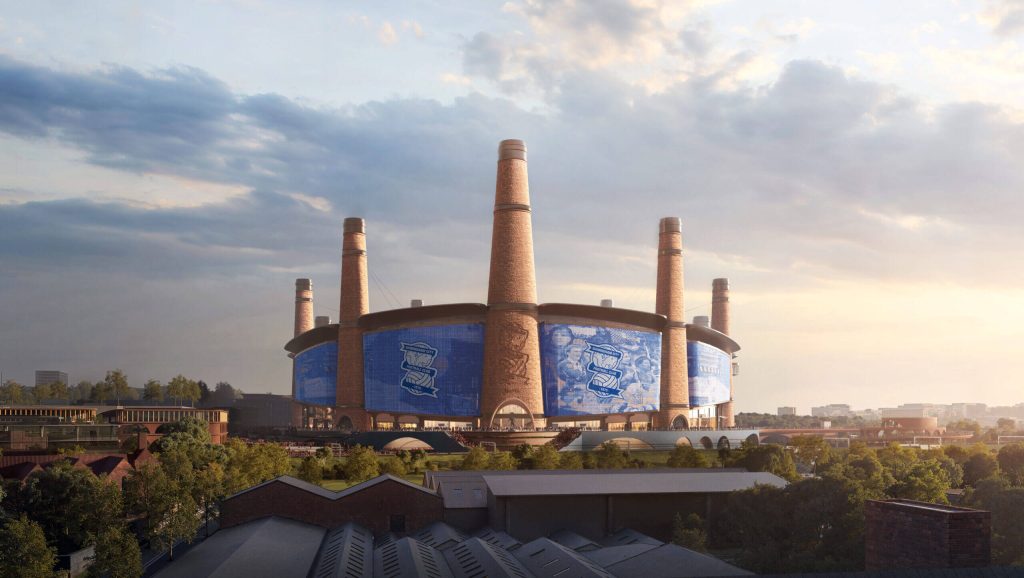
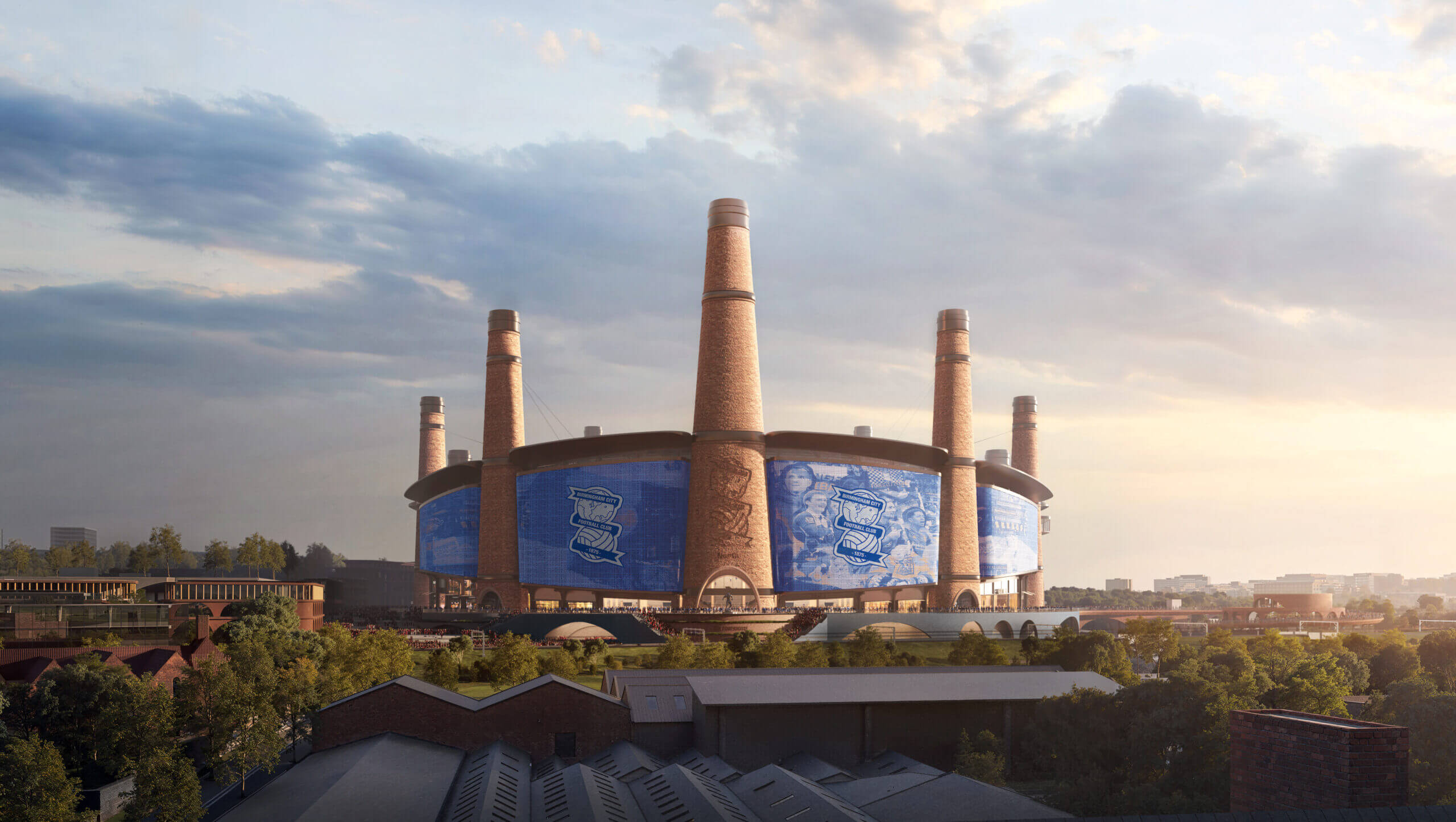
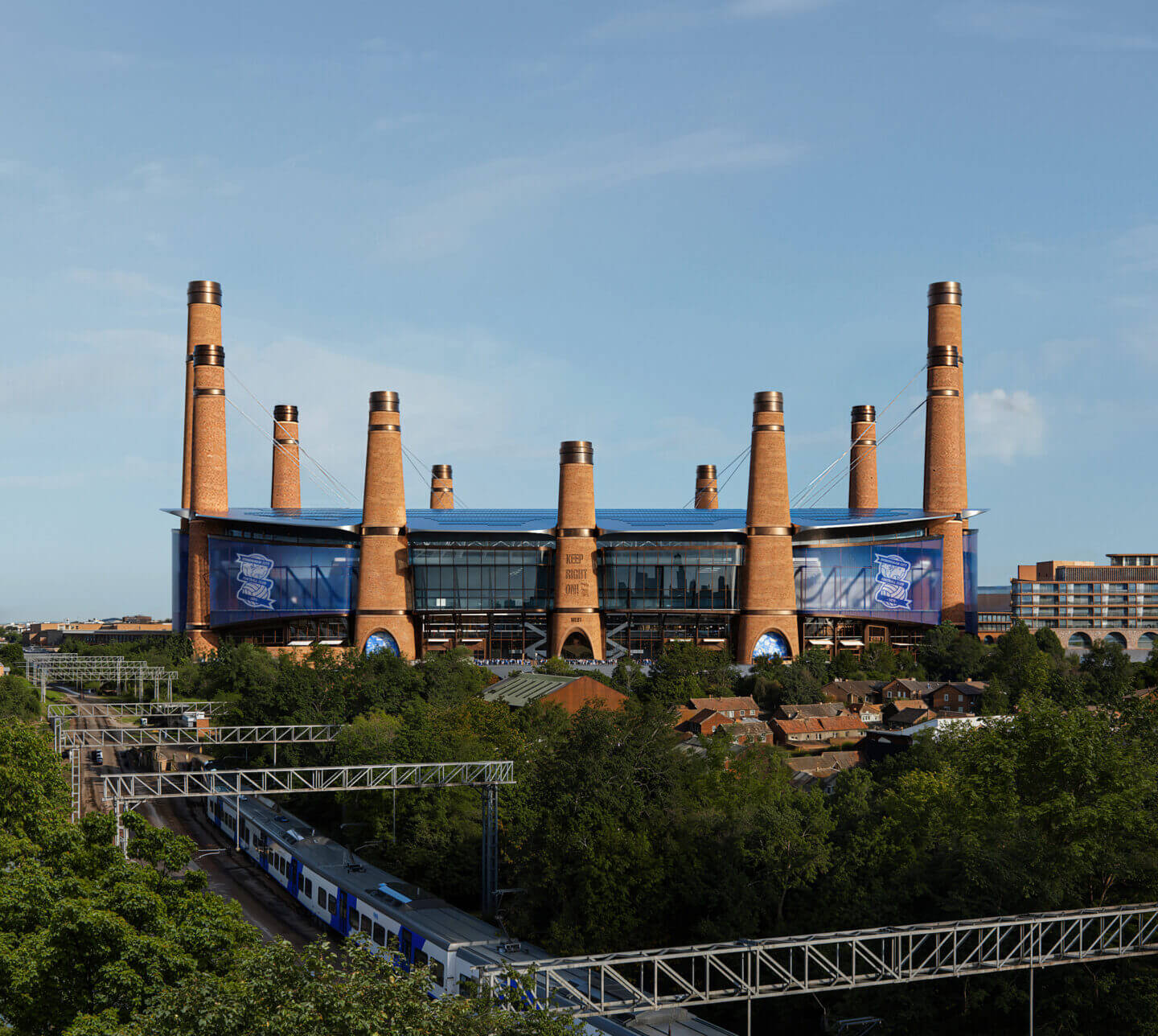
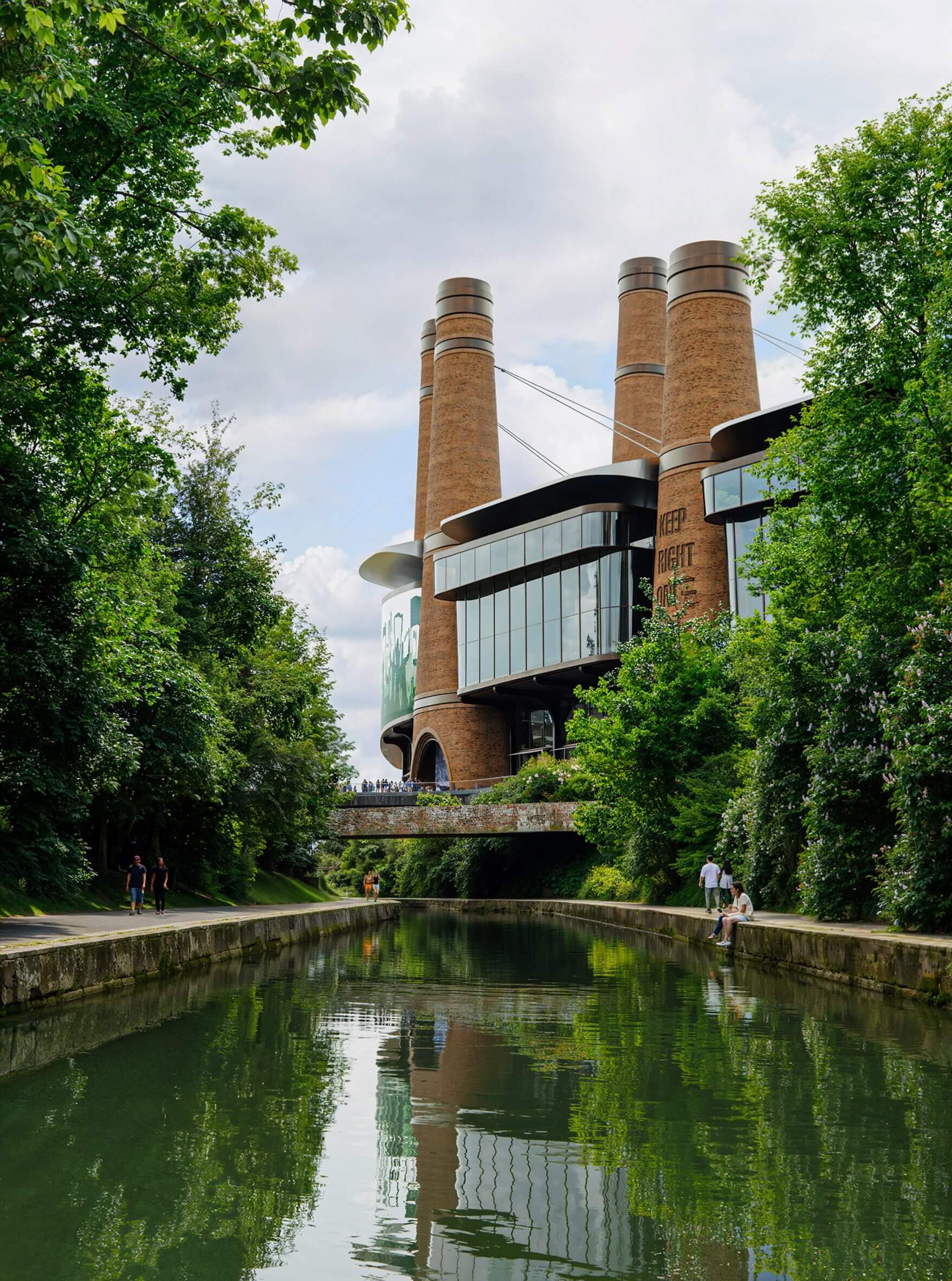
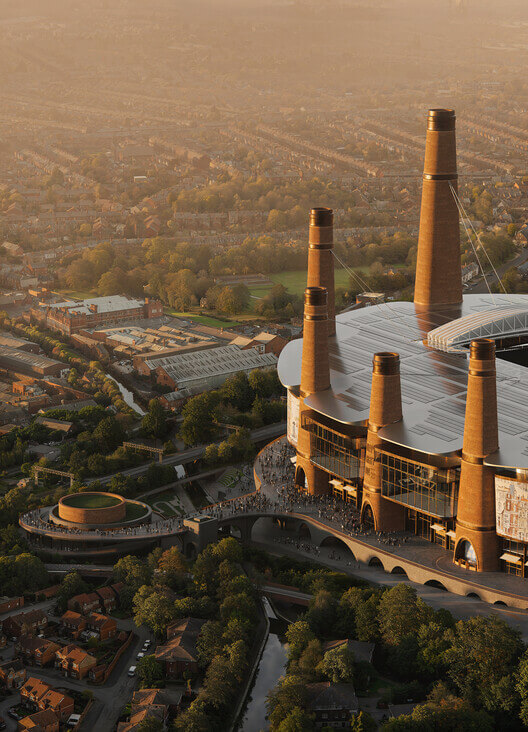
The Birmingham City “Powerhouse” Stadium, designed by Heatherwick Studio in collaboration with MANICA Architecture, is set to become a landmark in East Birmingham. Scheduled for completion by the 2030/2031 football season, this 62,000-seat stadium will serve as the focal point of the proposed Birmingham Sports Quarter. The design pays homage to the city’s rich industrial heritage, particularly its history of brick manufacturing, by incorporating 12 towering chimney-like structures. These elements not only provide structural support but also house essential facilities such as lifts and staircases, and contribute to the stadium’s passive ventilation strategy. The use of reclaimed bricks in these chimneys reinforces the connection to Birmingham’s past, creating a tactile and layered presence that resonates with the local community.
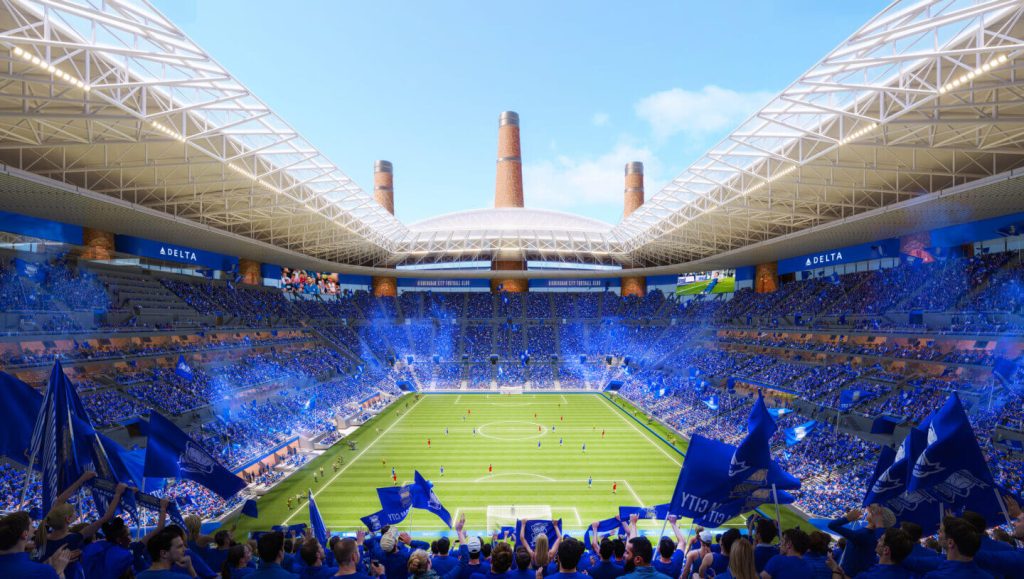
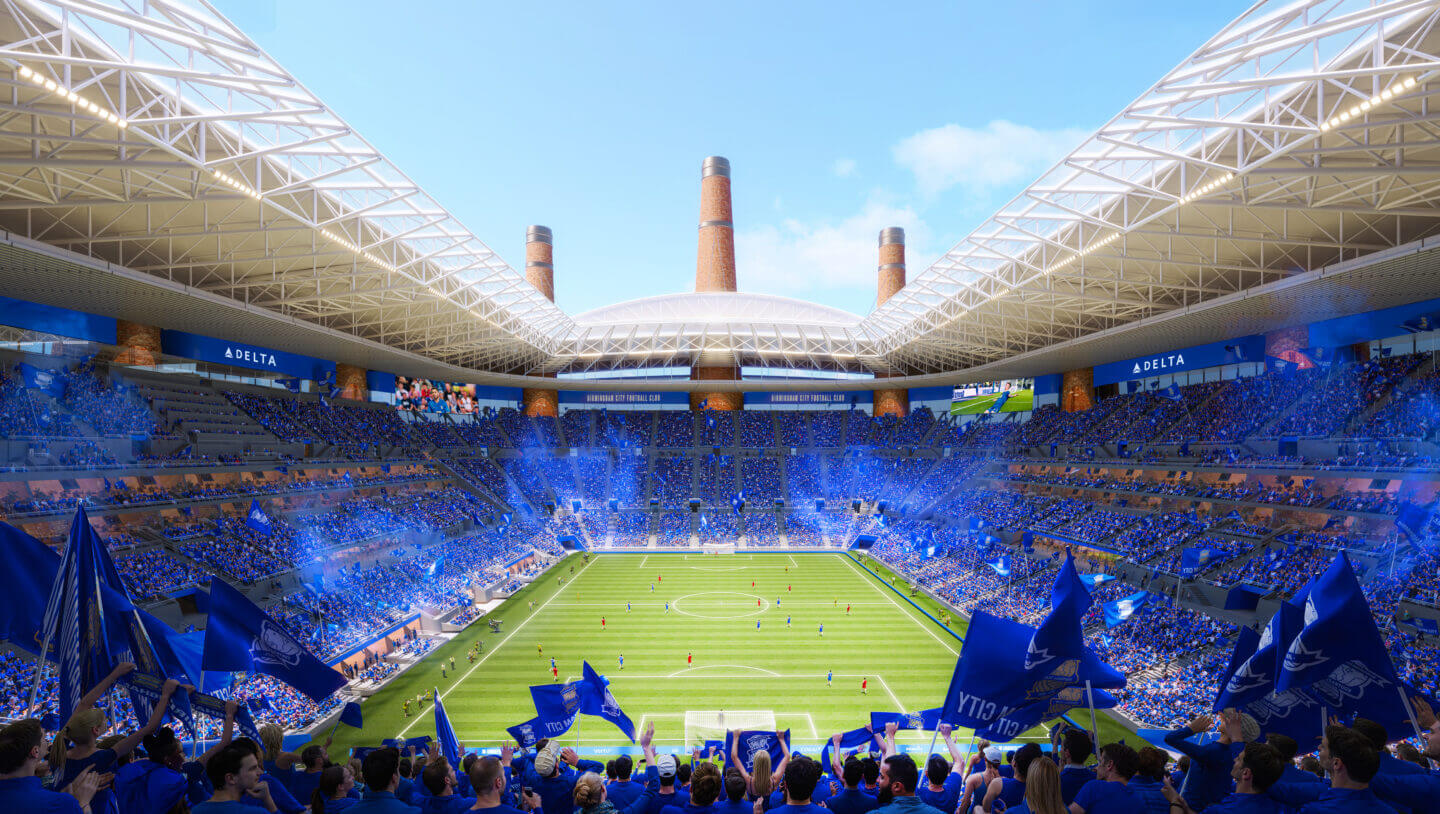
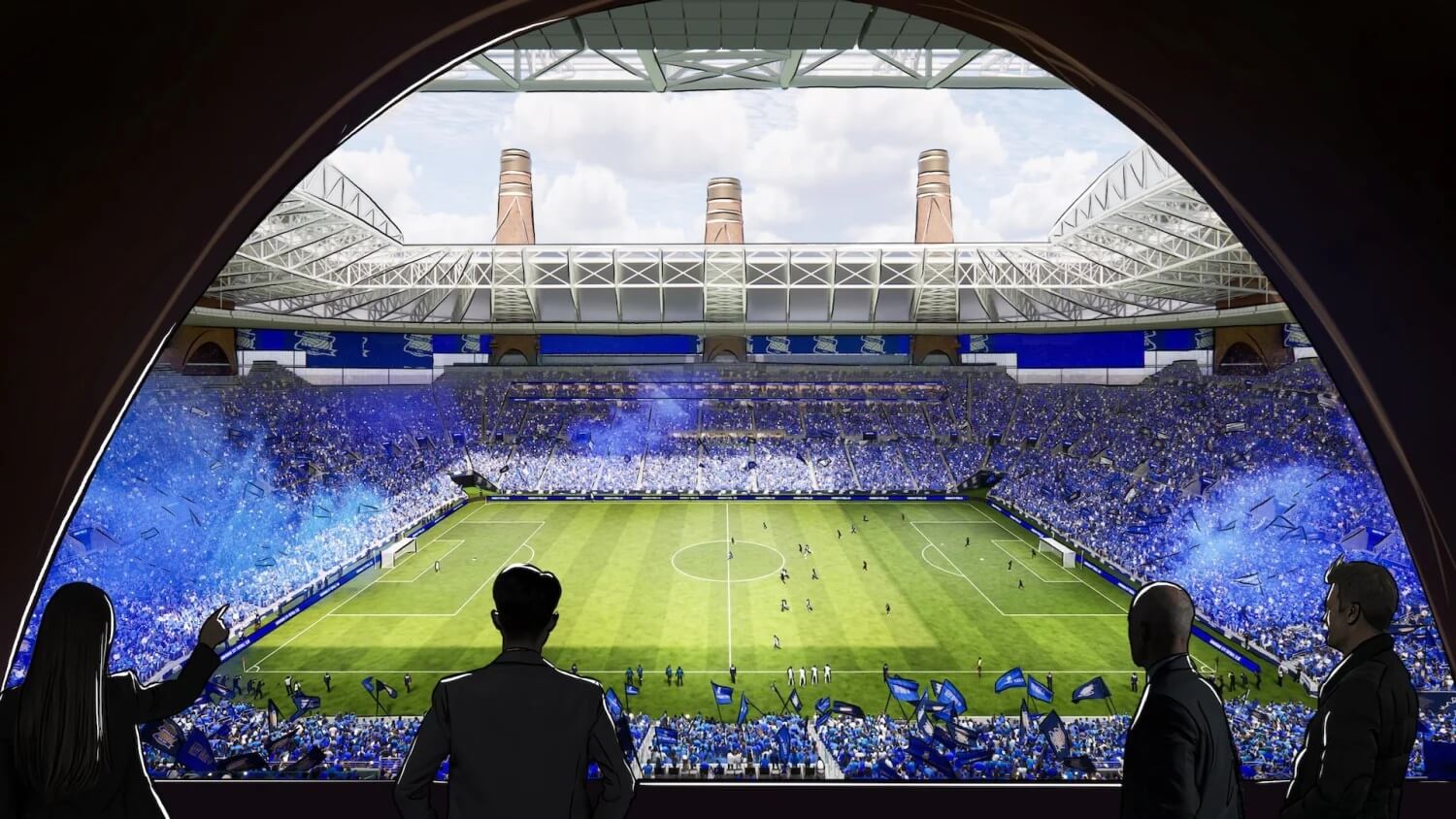
The stadium’s design prioritises fan experience by featuring a steep, bowl-shaped seating arrangement that brings spectators as close to the pitch as regulations allow. This configuration aims to create a 360-degree wall of fans, amplifying the atmosphere and intensity of matchdays. High-performing acoustics are integrated to enhance crowd noise, ensuring an unforgettable environment for home supporters. Flexibility is a key aspect of the design, with a retractable roof and moveable pitch that allow the venue to host a variety of events, from major sporting fixtures to international music concerts. This adaptability ensures that the stadium remains a vibrant and active part of the community throughout the year.
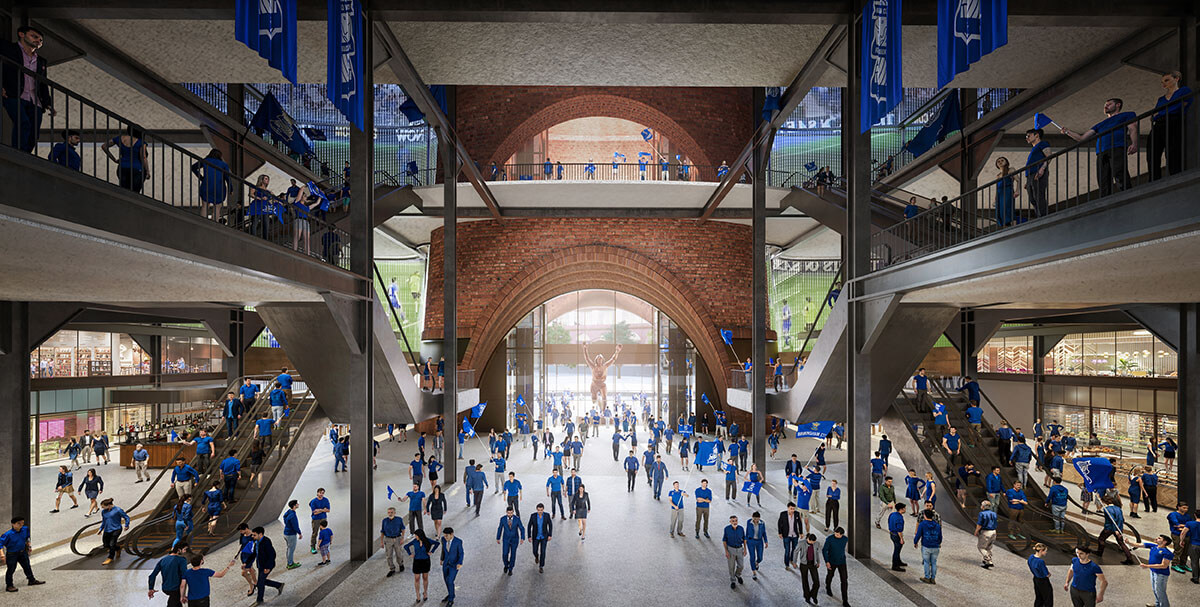
At ground level, the area surrounding the Birmingham City “Powerhouse” Stadium is envisioned as a dynamic public space. Plans include food markets, restaurants, cafes, children’s play areas, and other communal spaces, transforming the stadium from a matchday-only venue into a year-round destination. This approach aims to integrate the stadium into the daily life of East Birmingham, fostering a sense of community and providing a gathering place for residents and visitors alike. The design reflects a commitment to creating a space that is alive and connected to the city’s history and culture, rather than a standalone structure that could exist anywhere.
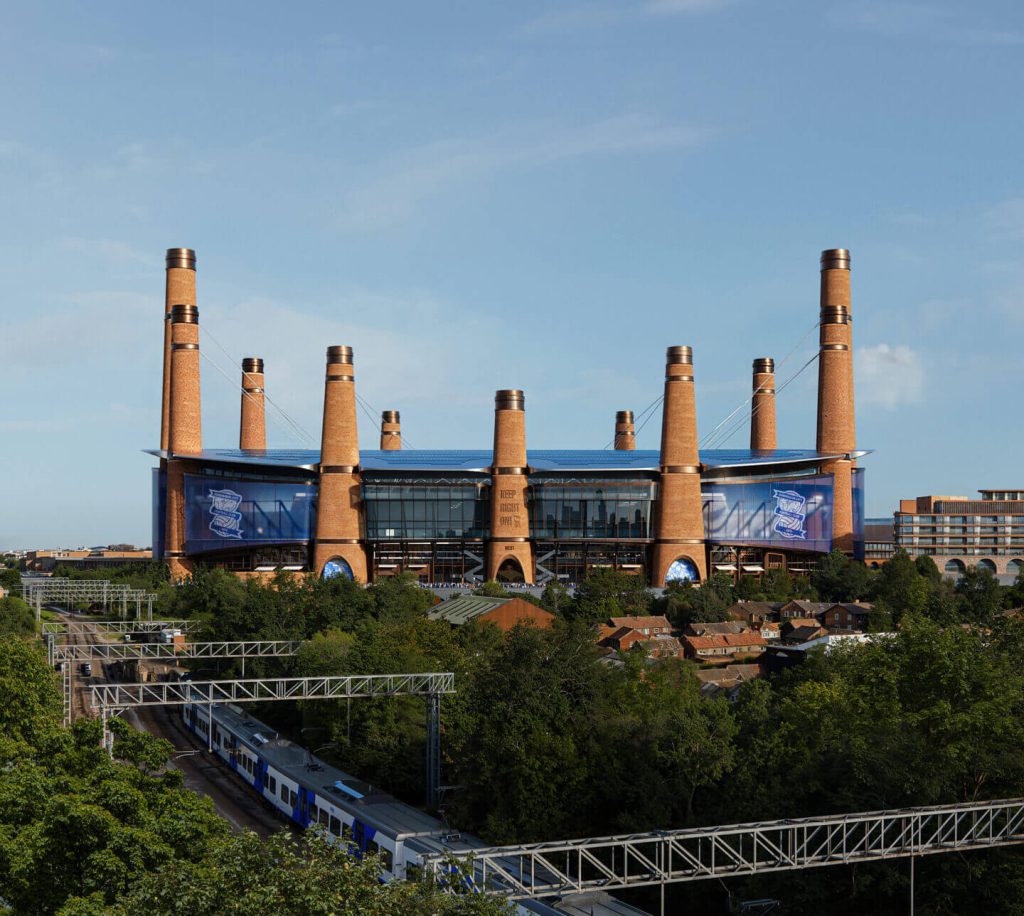
The collaboration between Heatherwick Studio and MANICA Architecture brings together expertise in architectural design and stadium functionality. Heatherwick Studio, known for its innovative and context-sensitive designs, is responsible for the architecture, structure, chimneys, public realm, and interior design of the project. MANICA Architecture, a global leader in sport and entertainment design, leads the stadium’s functional design, including the seating bowl and level-by-level layouts. This partnership ensures that the stadium will not only be a visual landmark but also a state-of-the-art facility that meets the needs of both athletes and fans.
The Birmingham City “Powerhouse” Stadium is more than just a sports venue; it is a catalyst for economic growth and urban regeneration in East Birmingham. The project is expected to contribute £760 million annually to the city’s economy by 2035, underscoring its potential to drive development and create jobs in the region. The stadium’s location on a 48-acre site, a former Birmingham Wheels race track, is set to become the centre of the new sports complex, anchoring the Birmingham Sports Quarter. This development aims to revitalise the area, attract investment, and enhance the city’s profile on both a national and international scale.
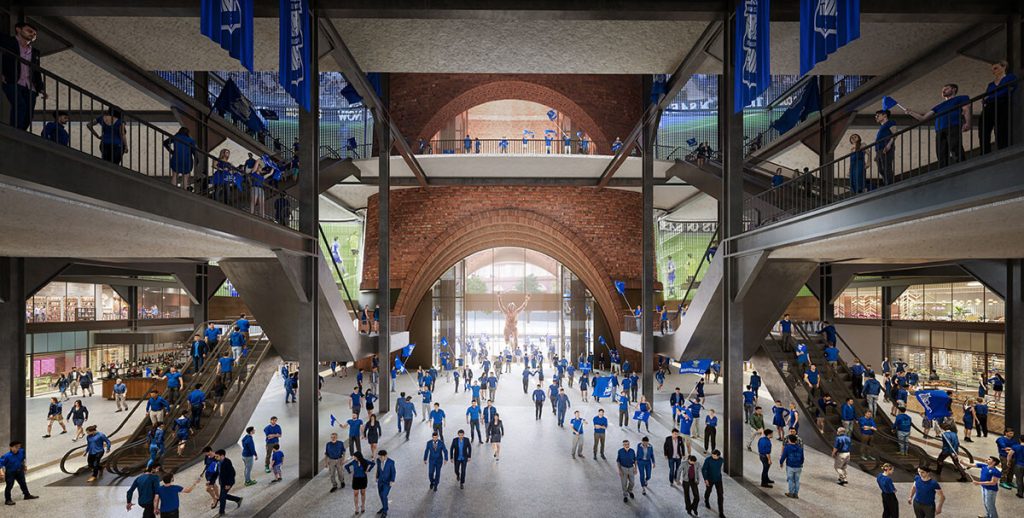
The design of the Birmingham City “Powerhouse” Stadium reflects a deep understanding of the city’s identity and aspirations. Thomas Heatherwick, founder and design director of Heatherwick Studio, emphasised the importance of creating a stadium that grows from Birmingham itself, drawing inspiration from its brickworks, history of a thousand trades, and the craft at its core. The goal is to capture the spirit of the city and play it back to Birmingham, ensuring that the stadium is not just a venue but a true reflection of the community it serves.
The project has garnered significant attention and support from various stakeholders, including Birmingham City Football Club, Knighthead Capital Management, and the local community. The unveiling of the design coincided with the club’s 150th anniversary celebrations, marking a significant milestone in its history. The involvement of Steven Knight, the acclaimed film director, writer, and lifelong Blues fan, as a creative advisor, adds a unique dimension to the project, ensuring that the stadium resonates with the club’s heritage and fanbase.
As the project progresses, a public engagement programme is planned to respond to the needs and aspirations of fans and the wider community. This initiative aims to ensure that the Birmingham City “Powerhouse” Stadium is not only a state-of-the-art facility but also a beloved and integral part of East Birmingham. The ambition is for the stadium to be completed in time for the start of the 2030/2031 football season, marking a new era for Birmingham City Football Club and the city as a whole.
Gallery
Explore more on Archtene
- More projects by Heatherwick Studio
- More projects in Birmingham
- More Stadium projects