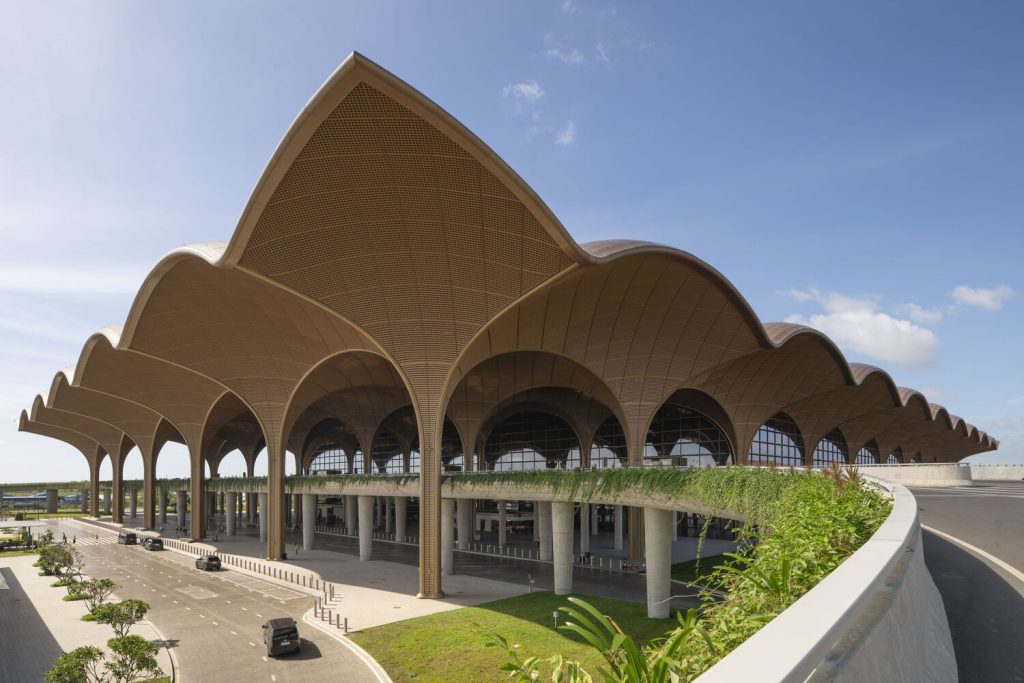
Techo International Airport in Phnom Penh, Cambodia, stands as a testament to innovative design and cultural resonance. Completed in 2025, this state-of-the-art facility is the result of a collaboration between the Cambodian government and the Overseas Cambodian Investment Corporation, with construction led by the China Construction Third Engineering Bureau. Situated approximately 20 kilometres south of Phnom Penh’s city centre, the airport is strategically positioned to accommodate the nation’s growing tourism and economic aspirations.
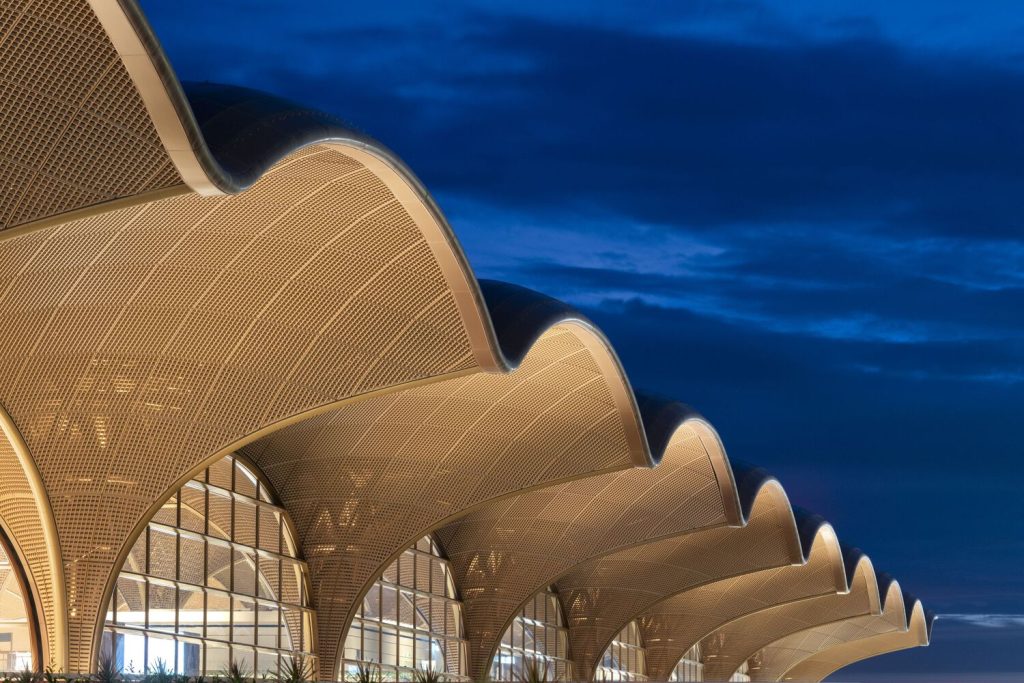
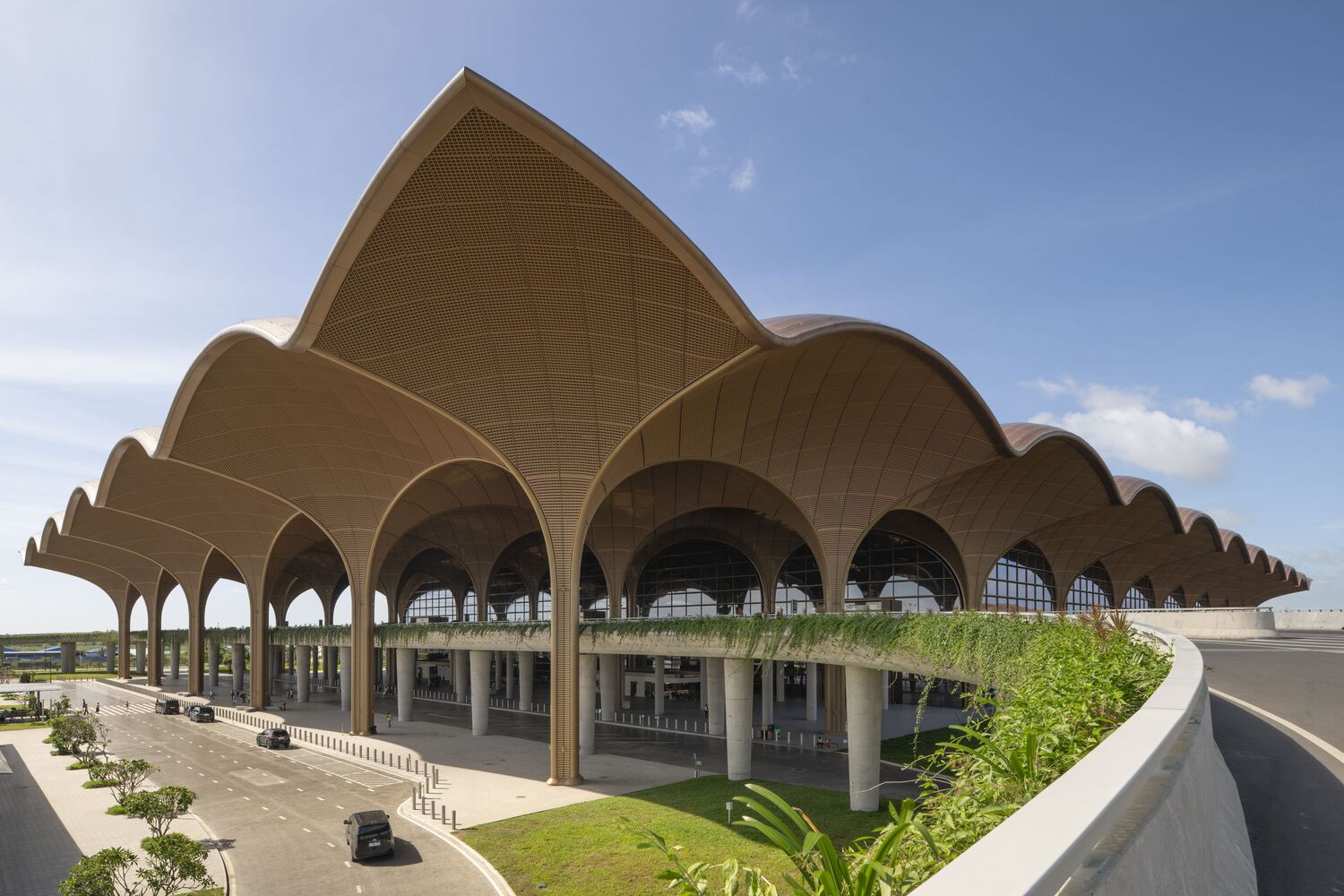
The terminal’s design, crafted by the renowned British architectural firm Foster + Partners, draws inspiration from Cambodia’s rich architectural heritage. The structure features a central head house flanked by two aerofoil-shaped piers, creating a harmonious and efficient layout. This configuration not only optimises passenger flow but also pays homage to the country’s traditional forms, reflecting a deep respect for local culture.
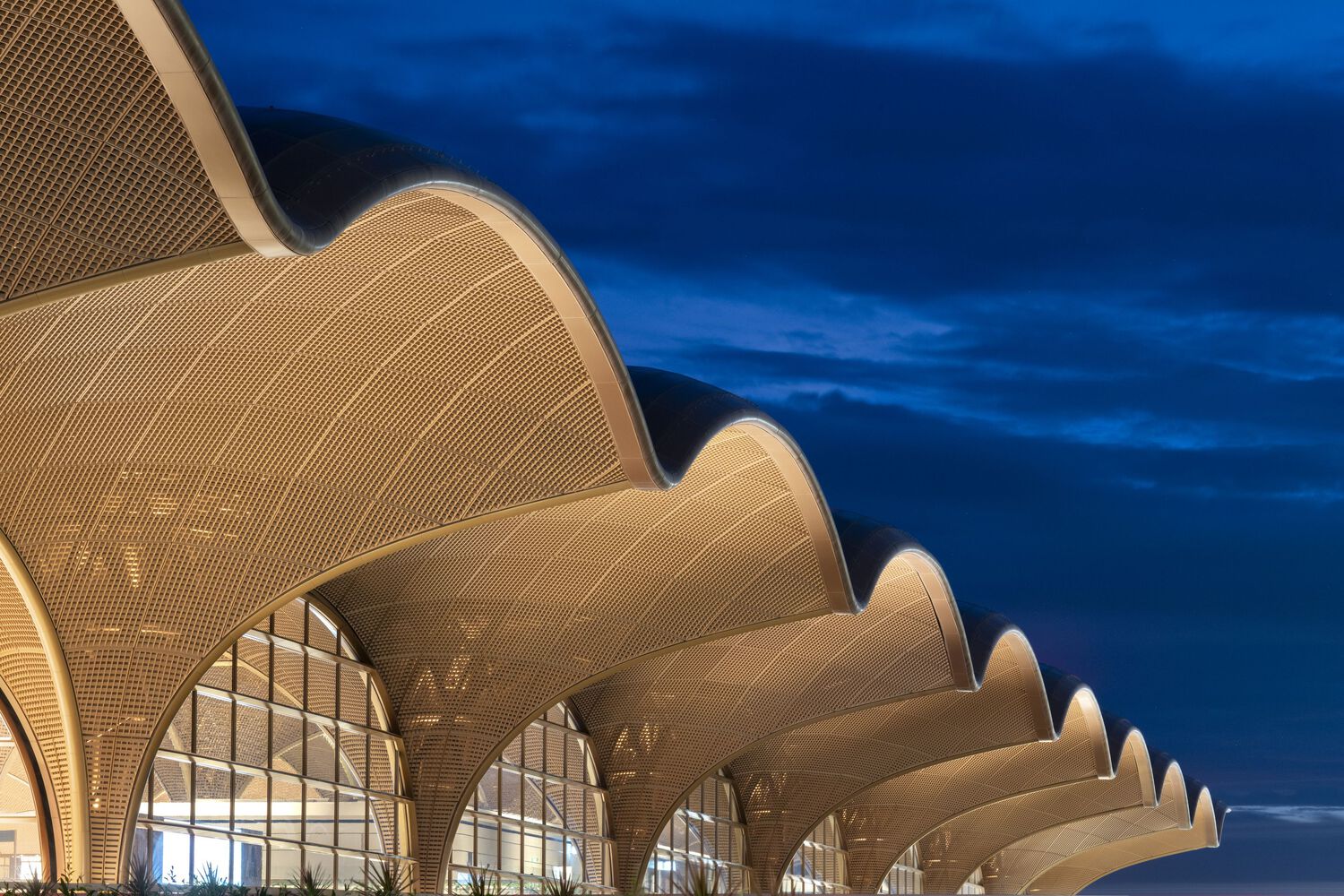
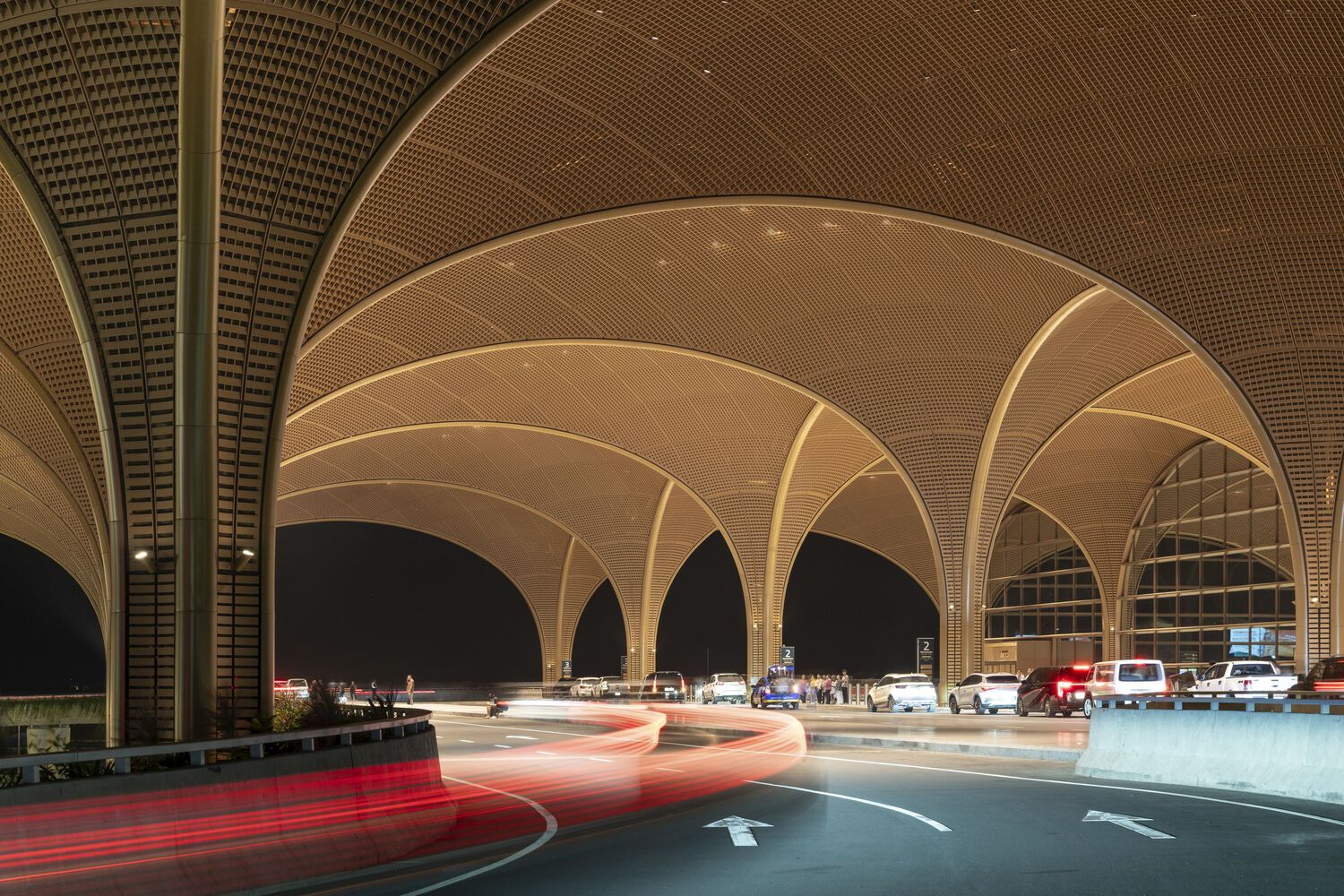
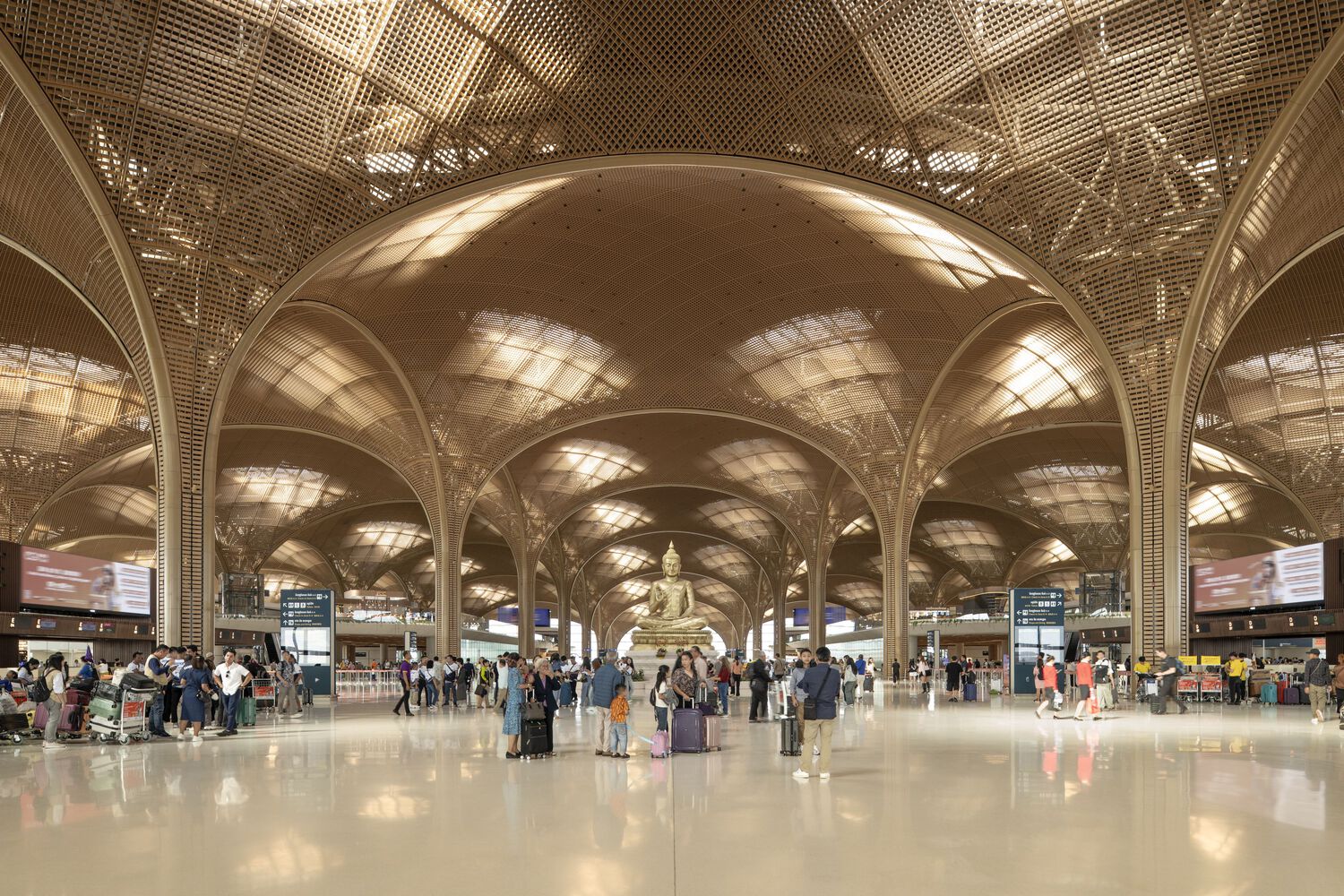
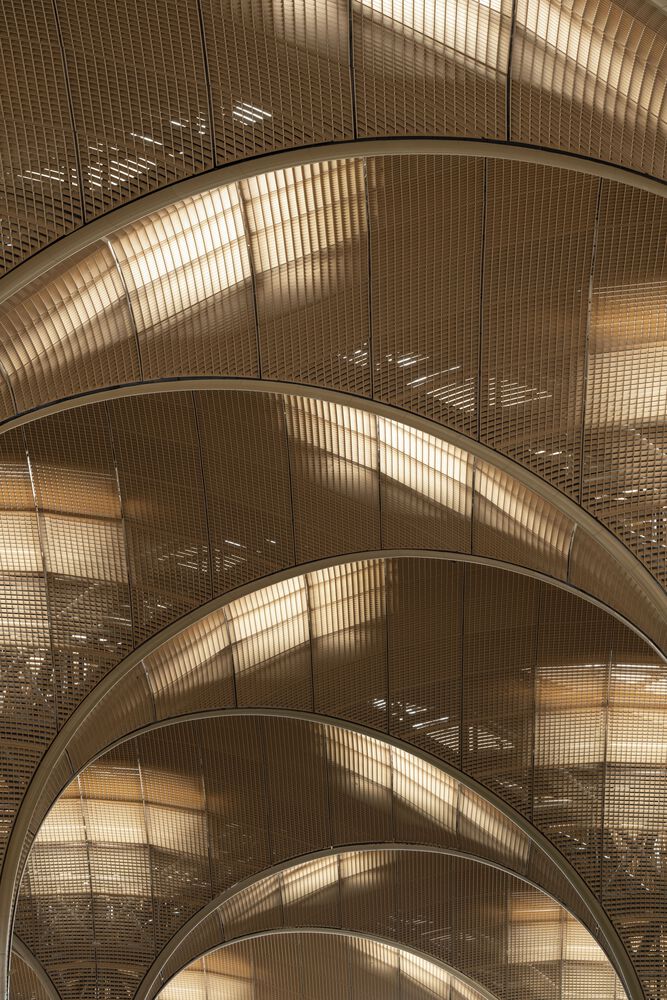
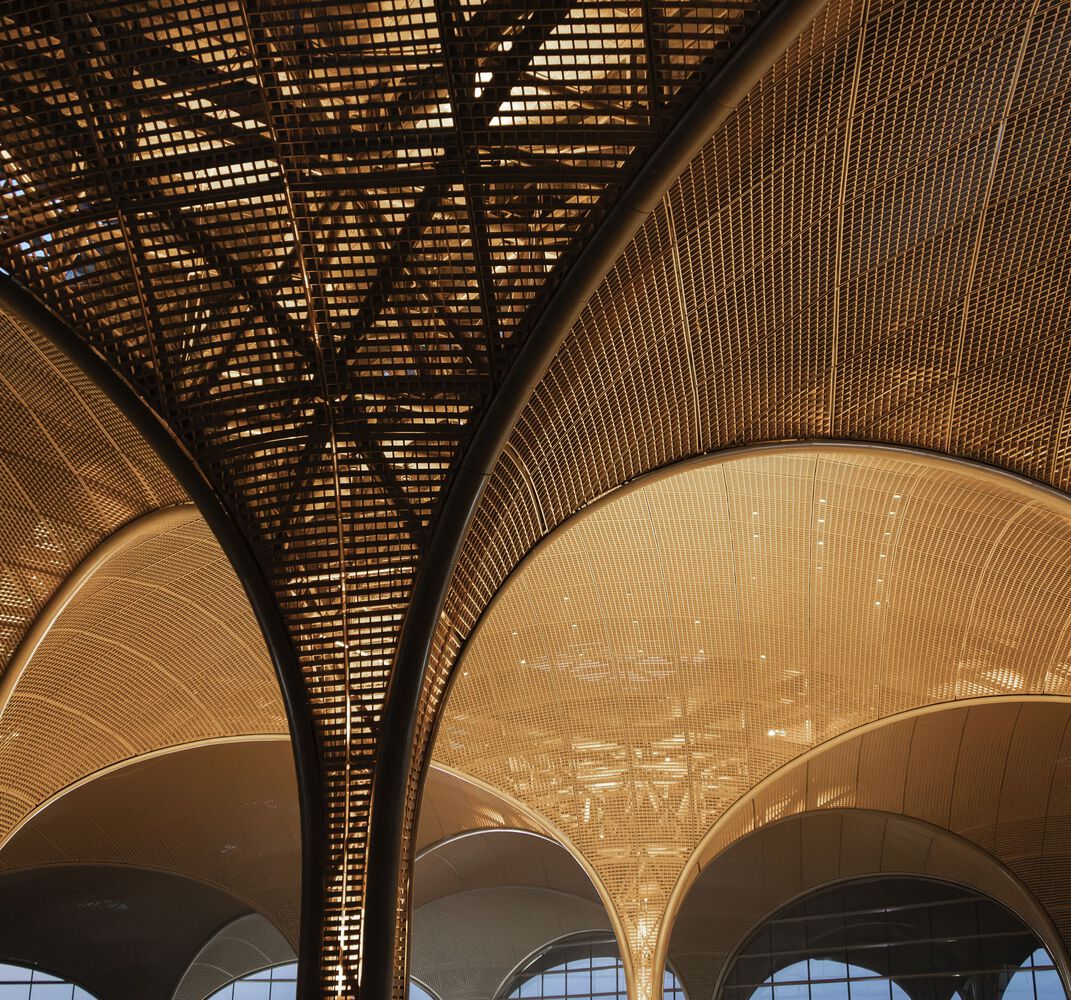
A defining feature of the terminal is its expansive roof canopy, supported by structural ‘trees’ that span 36 metres. This lightweight steel grid shell not only provides shelter but also serves as a visual focal point, echoing the monumental geometries of Cambodia’s temples and palaces. The undulating form of the roof culminates at the centre of the building, creating a dynamic and welcoming environment for travellers.
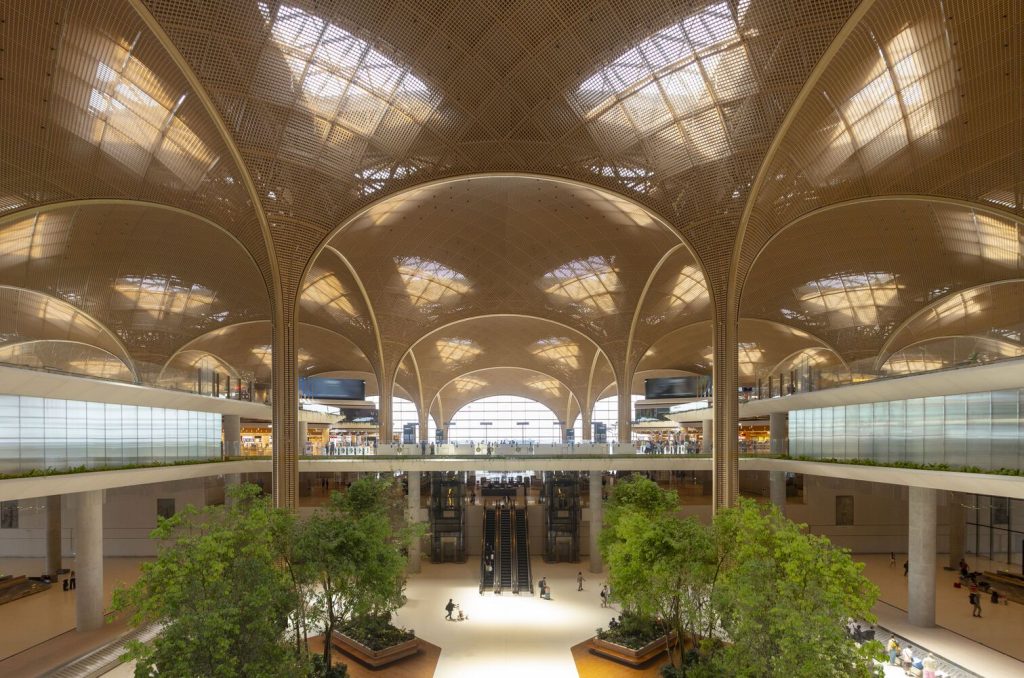
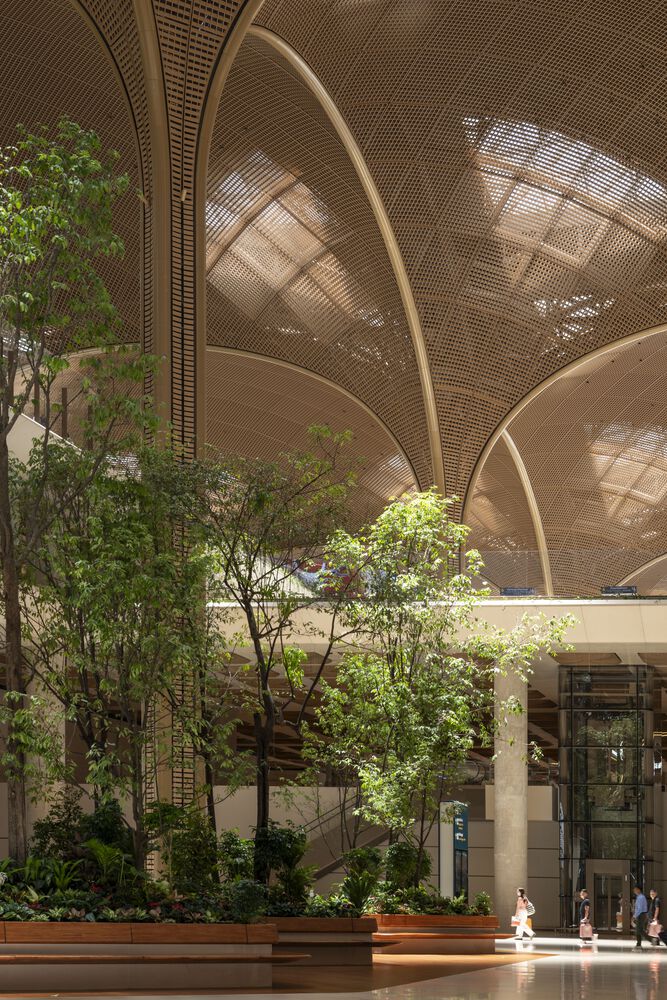
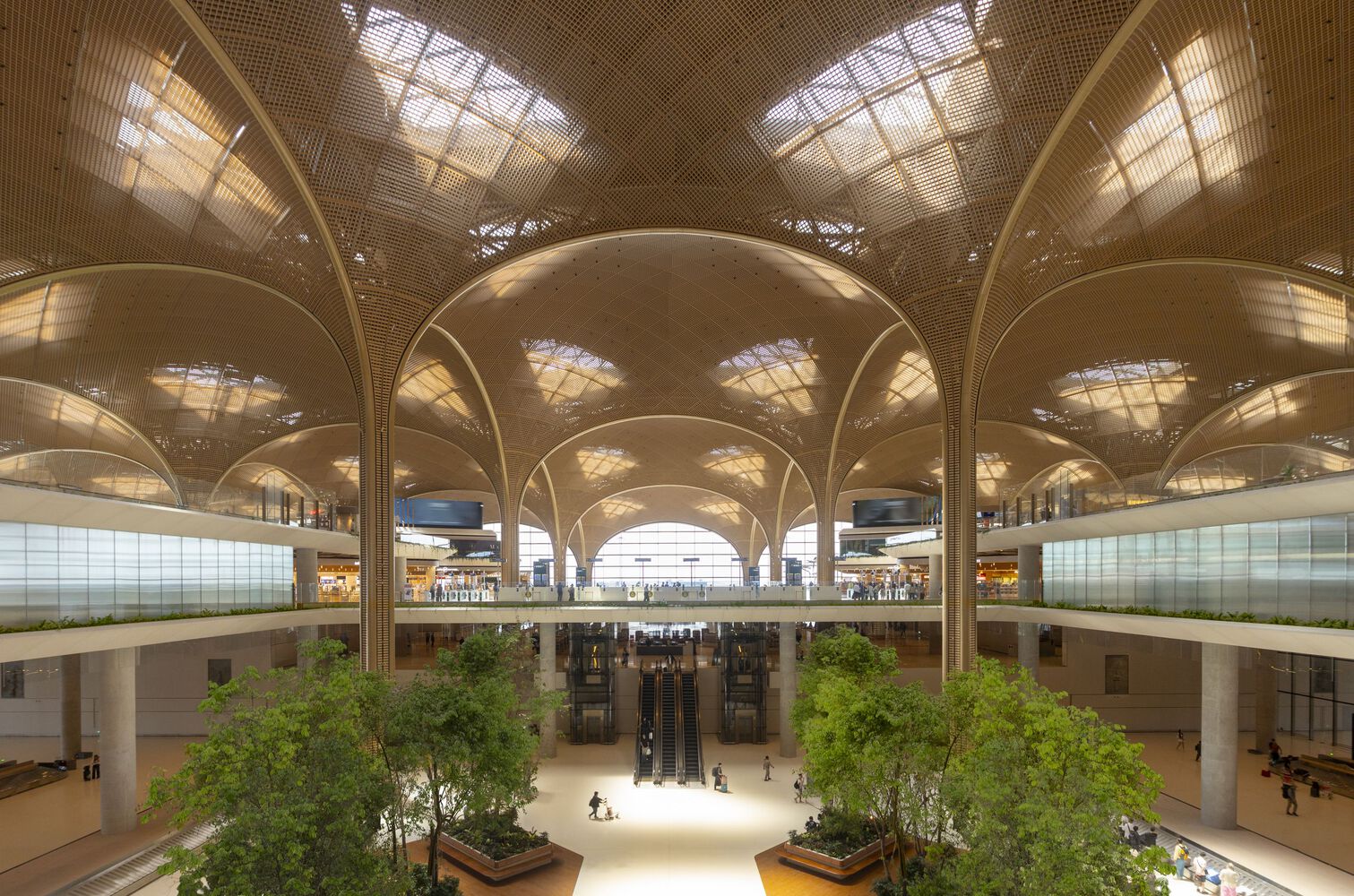
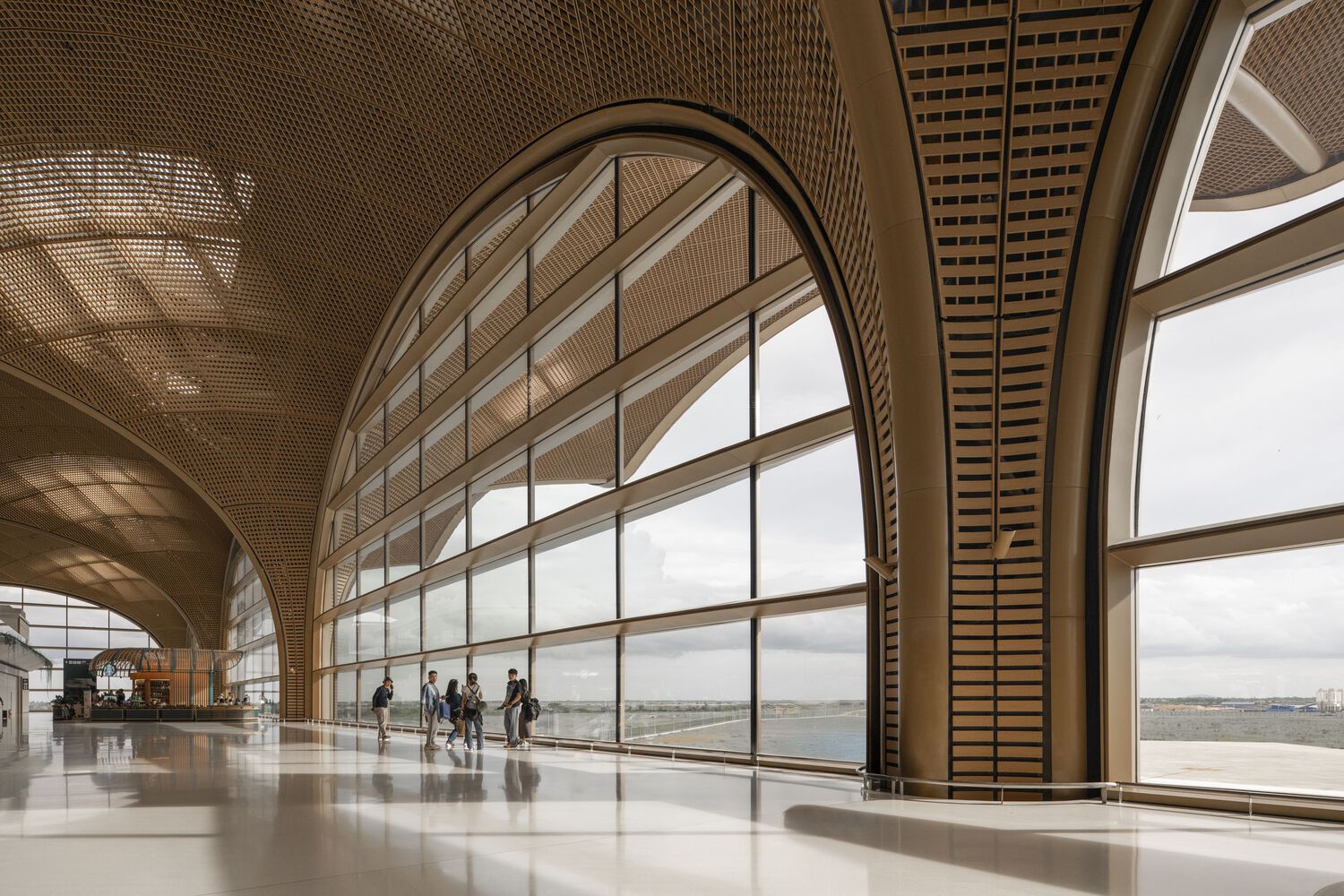
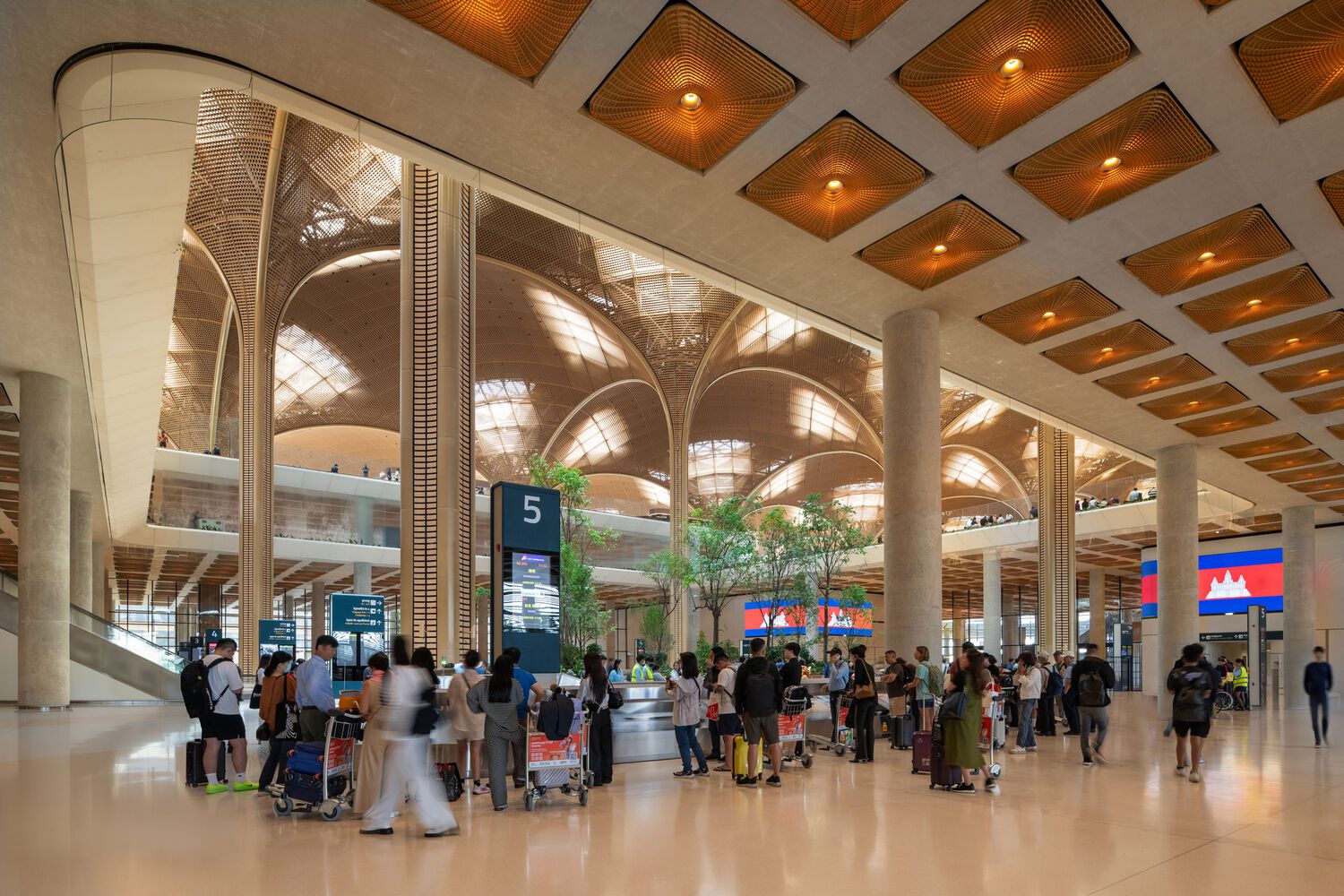
The interior spaces are designed with passenger comfort and cultural appreciation in mind. Warm materials and finishes evoke the Cambodian vernacular in a contemporary manner, creating a welcoming atmosphere. Traditional basket weaving techniques inspire the soffits, adding a tactile quality to the space. Strategically placed skylights and structural trees allow natural light to permeate the terminal, reducing the need for artificial lighting and enhancing the overall experience.
Sustainability is a cornerstone of the Techo International Airport’s design. The terminal is designed to be one of the greenest airports in the world, integrating an on-site photovoltaic farm to generate energy and incorporating extensive greenery throughout the building. Mature trees rise through the central void, and native plant species are strategically placed, reinforcing the connection between architecture and landscape. These elements not only enhance the aesthetic appeal but also contribute to the airport’s environmental responsibility.
The airport’s master plan envisions a broader development, positioning the terminal as the heart of a new airport city. Future phases include a high-speed rail link, aiming to establish the airport as an intermodal hub and encourage public transport use. A green public park is also planned, providing a serene environment for both travellers and the local community. This holistic approach reflects a commitment to sustainable urban development and community integration.
The Techo International Airport is designed with future expansion in mind. The first phase, including the central head house and the northern pier, accommodates up to 13 million passengers annually. Subsequent phases will add another aerofoil wing, increasing capacity to 30 million passengers. This phased approach ensures that the airport can meet the growing demands of Cambodia’s tourism and economic sectors.
The opening of Techo International Airport marks a significant milestone in Cambodia’s development. It not only enhances the nation’s infrastructure but also serves as a symbol of its cultural heritage and aspirations for the future. The airport’s design and functionality reflect a deep understanding of local context and a commitment to sustainable development, setting a new standard for airport architecture in the region.
In summary, Techo International Airport is more than just a transportation hub; it is a cultural landmark that embodies Cambodia’s rich history and forward-looking vision. Through its thoughtful design, sustainable practices, and cultural sensitivity, the airport stands as a beacon of modernity and tradition, welcoming travellers to a new era in Cambodia’s journey.
Gallery
Explore more on Archtene
- More projects by Foster + Partners
- More projects in Cambodia
- More Airport projects