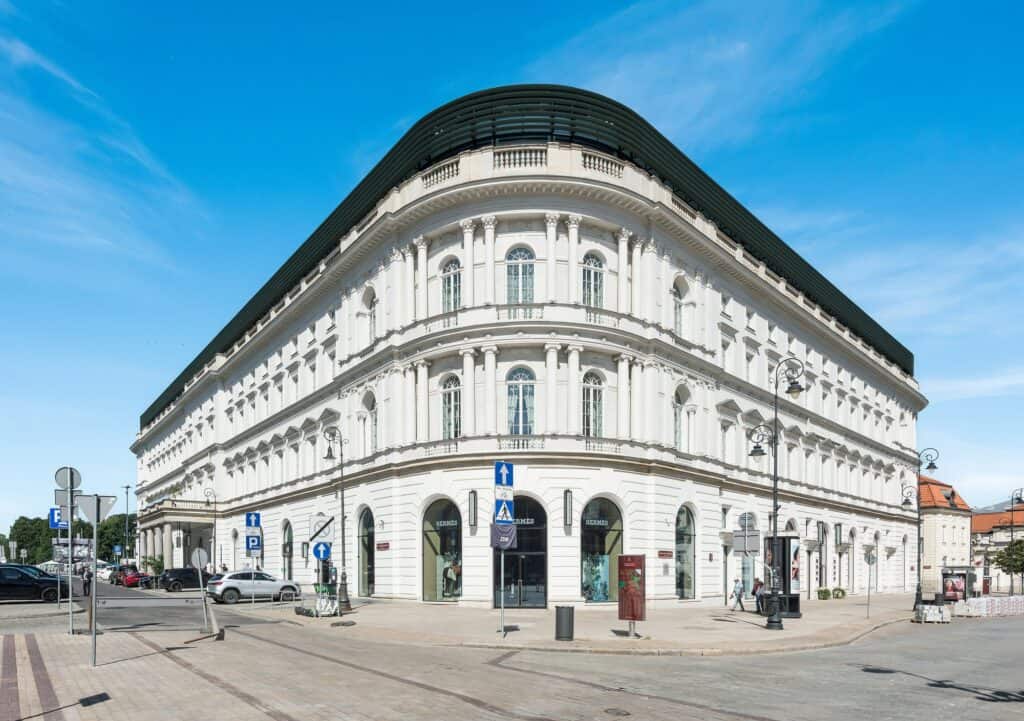
Raffles Europejski Warsaw by APA Wojciechowski in Warsaw, Poland
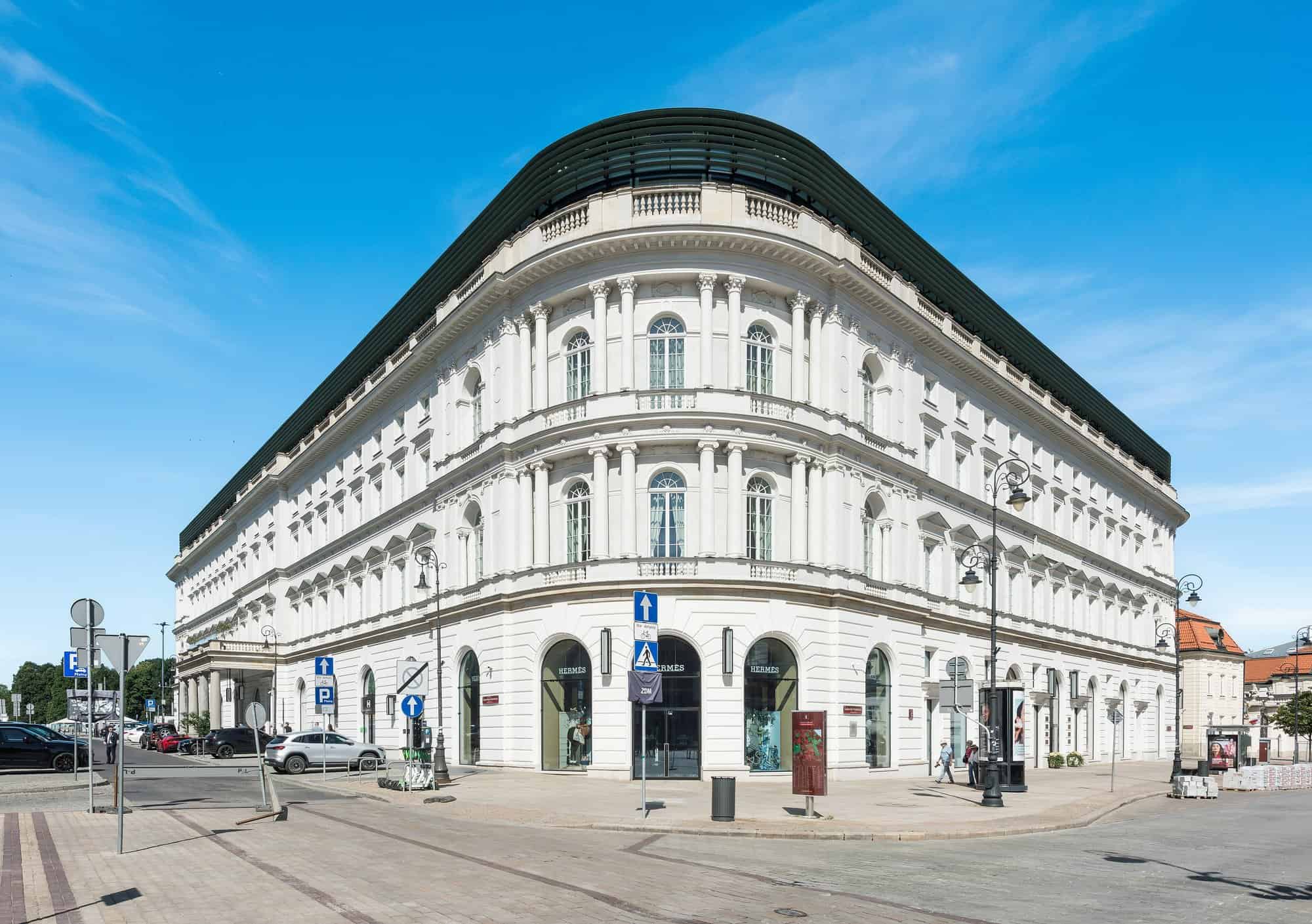
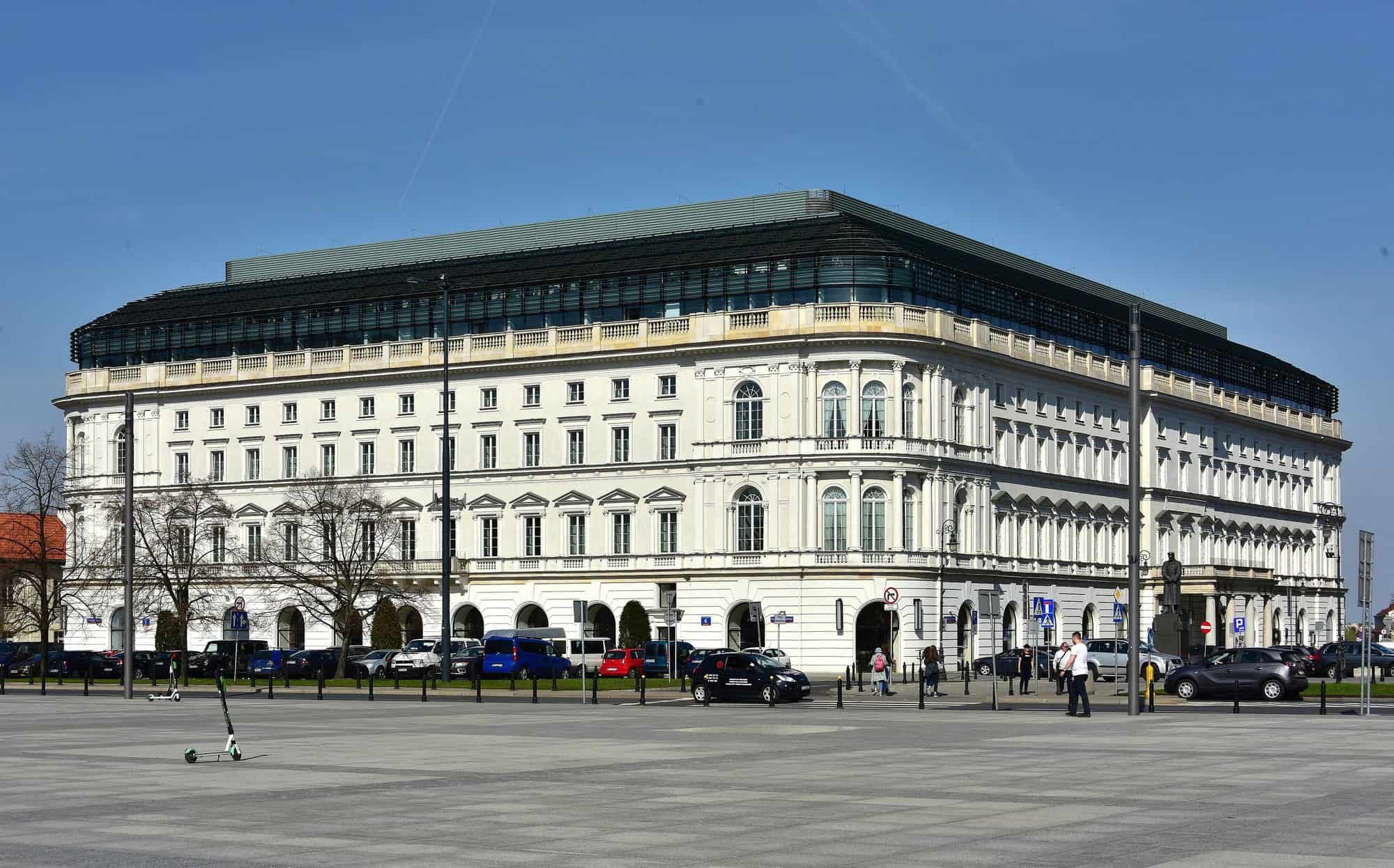
Raffles Europejski Warsaw is a five-star hotel at Krakowskie Przedmieście 13 in Warsaw, on the Royal Route between Piłsudski Square and the Old Town and next door to the Presidential Palace. The neo-Renaissance building was designed by Henryk Marconi and built in stages between 1855 and 1877, first opening as Hotel Europejski in 1857, and for much of the 19th century it was the most luxurious hotel in the city. After a restoration of almost five years, with SUD Architectes as lead architects, hotel interiors by APA Wojciechowski and WWAA with Boris Kudlička, and restaurants and bars by Lázaro Rosa-Violán, it reopened under the Raffles brand in 2018, with a soft opening in May and its official opening on 1 June, offering 106 rooms and suites, the Europejski Grill, the Long Bar, the Humidor, the Lourse Warszawa patisserie and a spa.
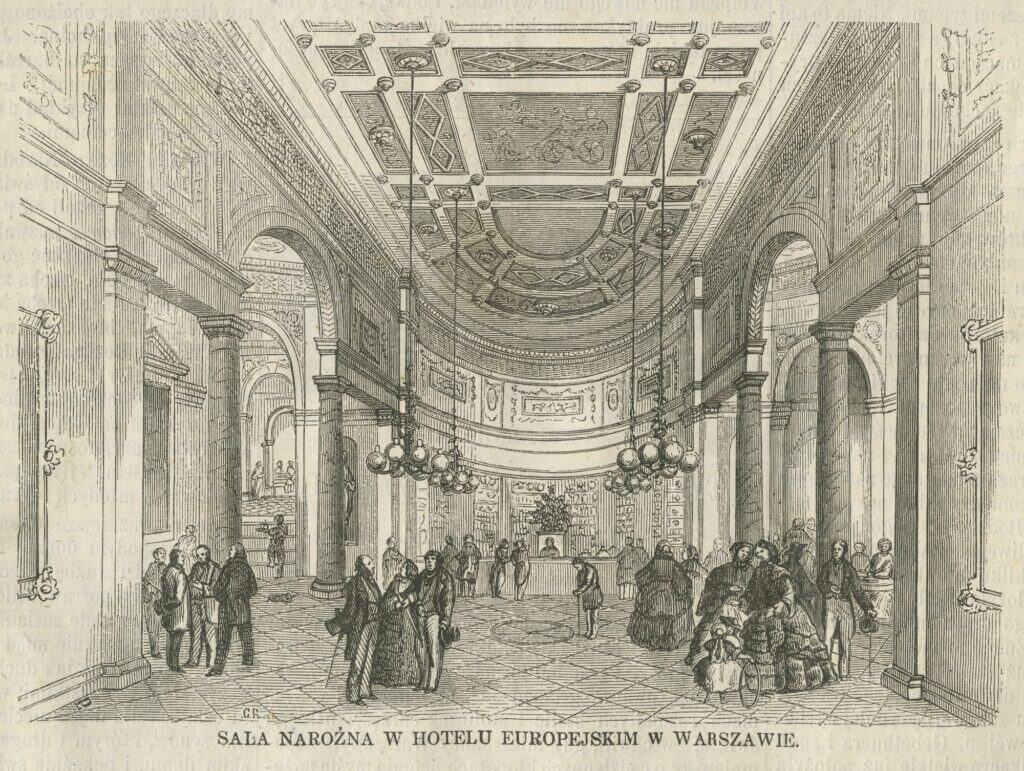
Henryk Marconi’s Hotel Europejski, 1855–1877
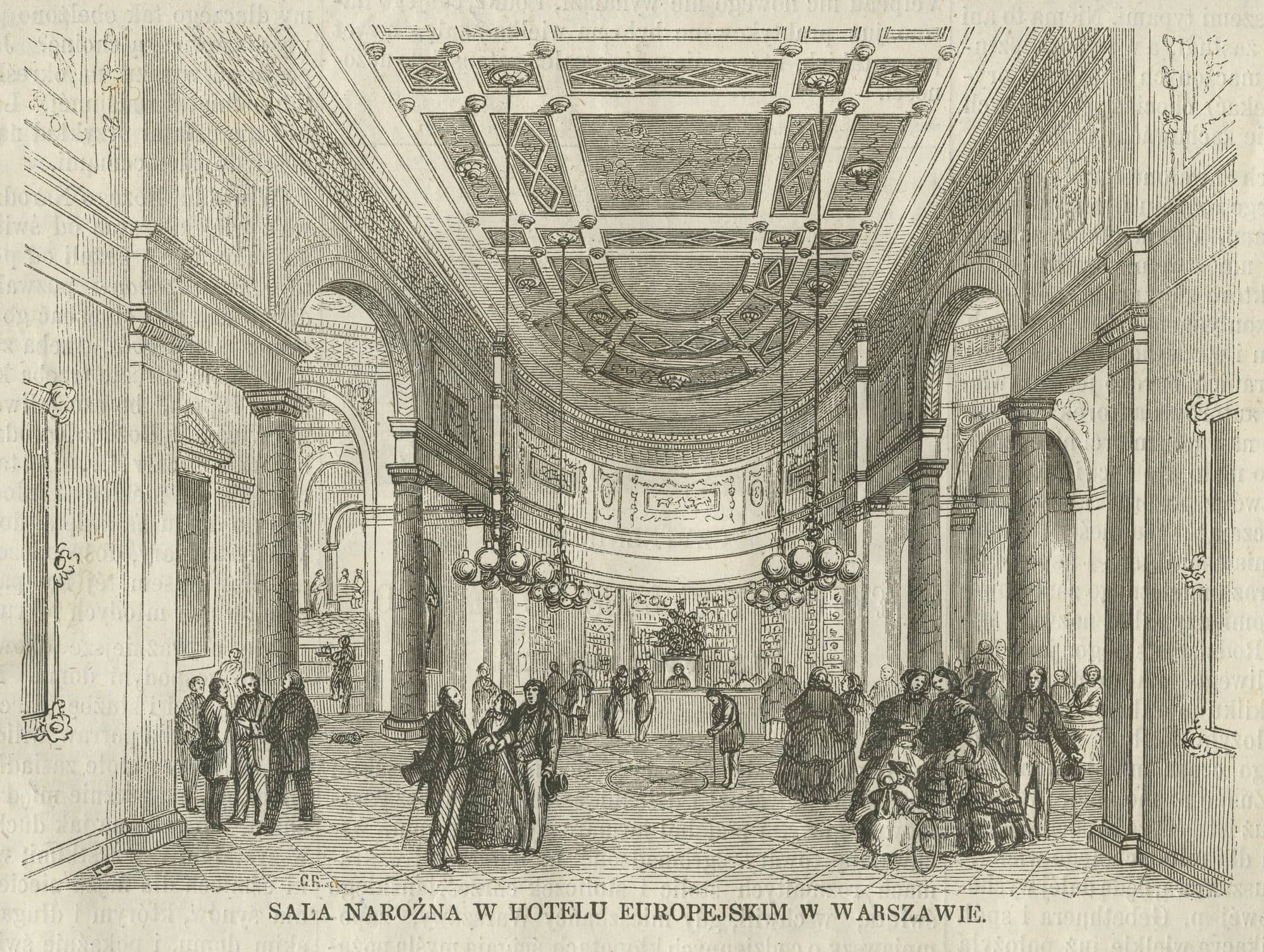
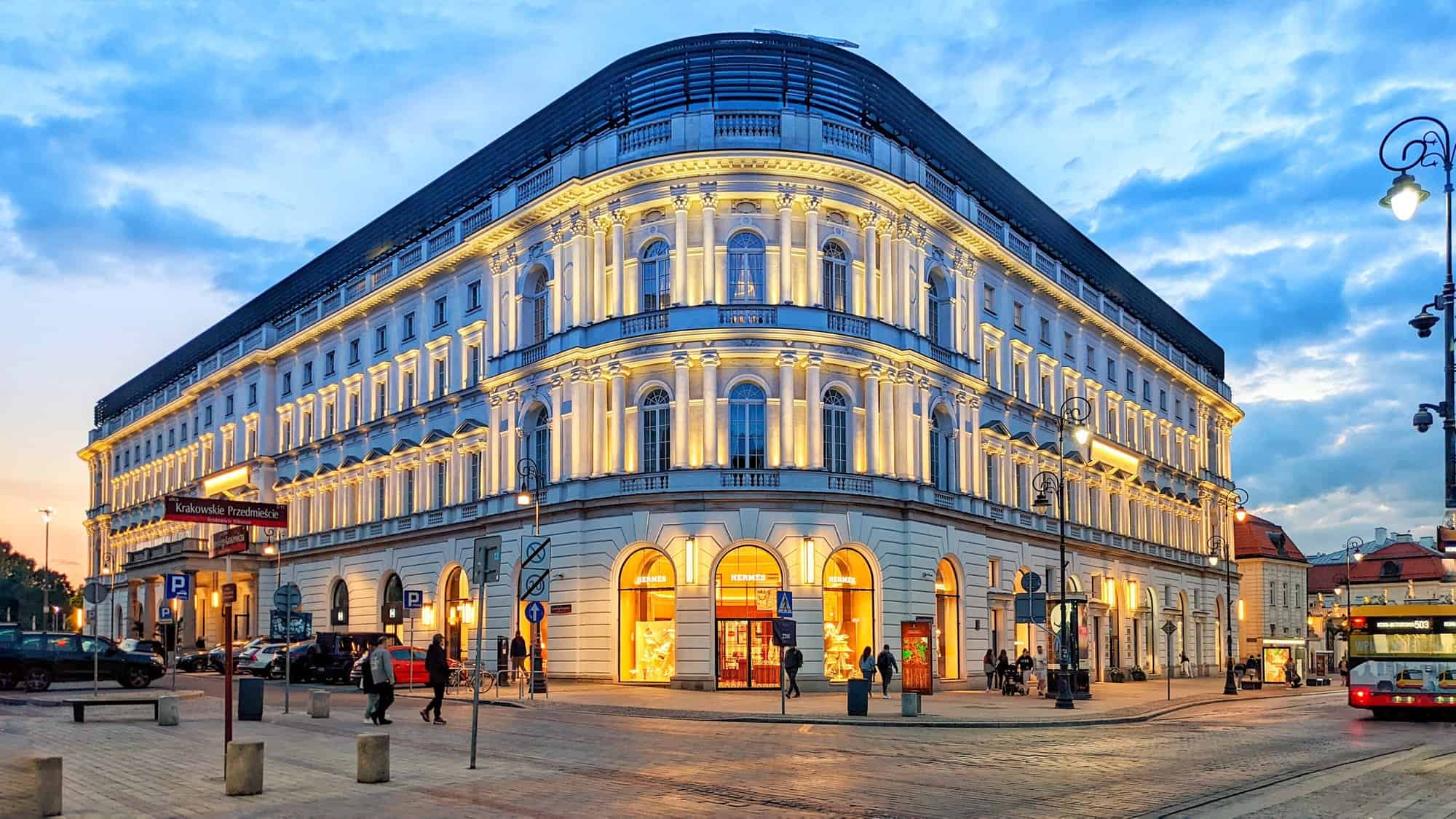
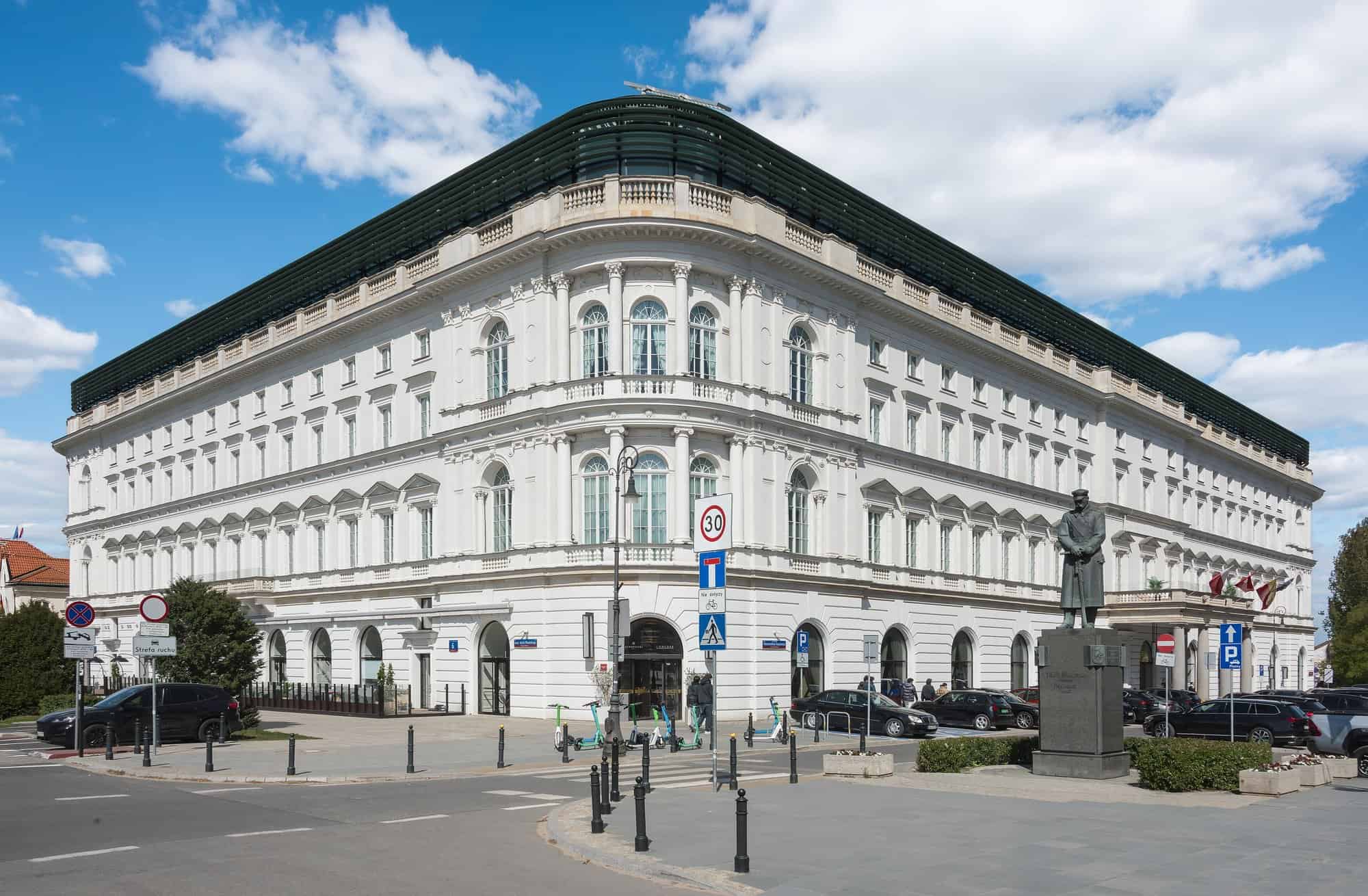
The site has a long history as a place to stay. In the mid-17th century it held the manor house of Jan Oborski, starost of Sochaczew, and in the 18th century a baroque palace of the Ogiński family; early in the 19th century a wealthy Warsaw carpenter, Ferdynand Gerlach, bought the property and opened a hotel there. Marconi’s building replaced Gerlach’s hotel for the investor Aleksander Przezdziecki, and it went up in three phases: the wings towards Ossolińskich Street, Tokarzewskiego-Karaszewicza Street and Piłsudski Square in 1855–1857, the part towards Ossolińskich Street and Krakowskie Przedmieście in 1857–1859, and the final section in 1876–1877, completed after Henryk’s death by his son Leandro Marconi, with Marceli Berendt and Władysław Mierzejewski also involved in the design. Its long stuccoed fronts, with rounded corner bays of paired columns and arched windows, draw on the Italian Renaissance. Hotel Europejski was the first modern hotel in Warsaw: in 1877 it installed the city’s first passenger lift, and by the end of the century it had central heating. It was the first home of the Society for the Encouragement of Fine Arts, it housed shops, a restaurant and, from 1871 until 1944, the celebrated Lourse café, and the painters Józef Chełmoński, Adam Chmielowski and Stanisław Witkiewicz lived and worked in its studio. In 1859 the magazine Tygodnik Illustrowany published an engraving of its corner hall, with a coffered ceiling, columns and globe chandeliers.
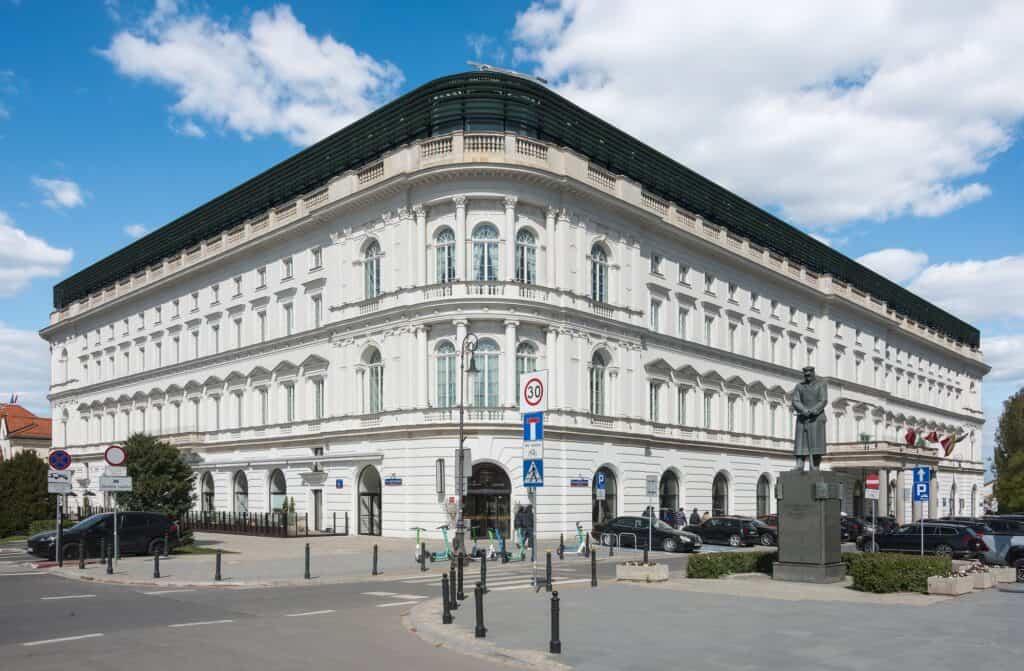
War, reconstruction and the Orbis years
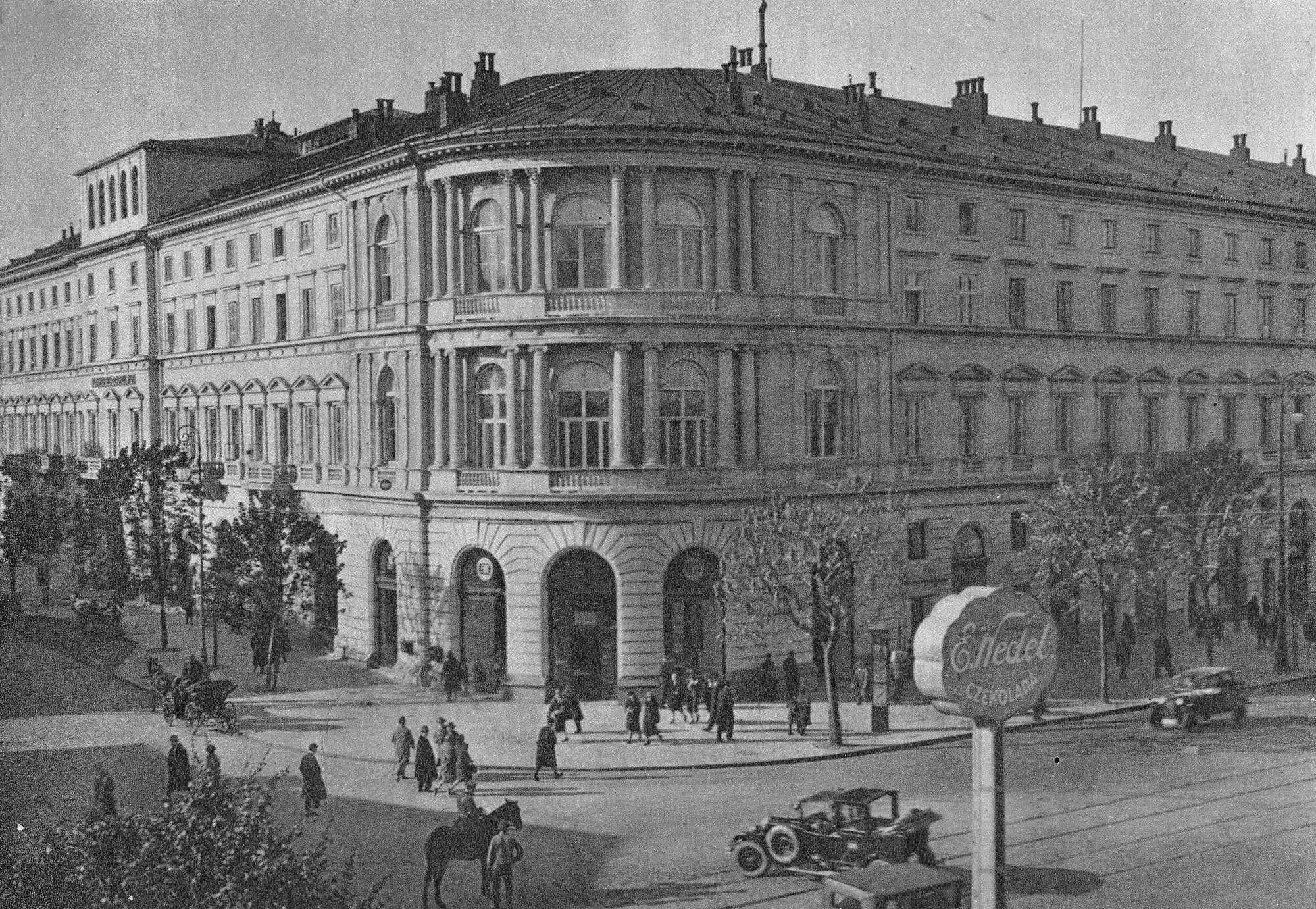
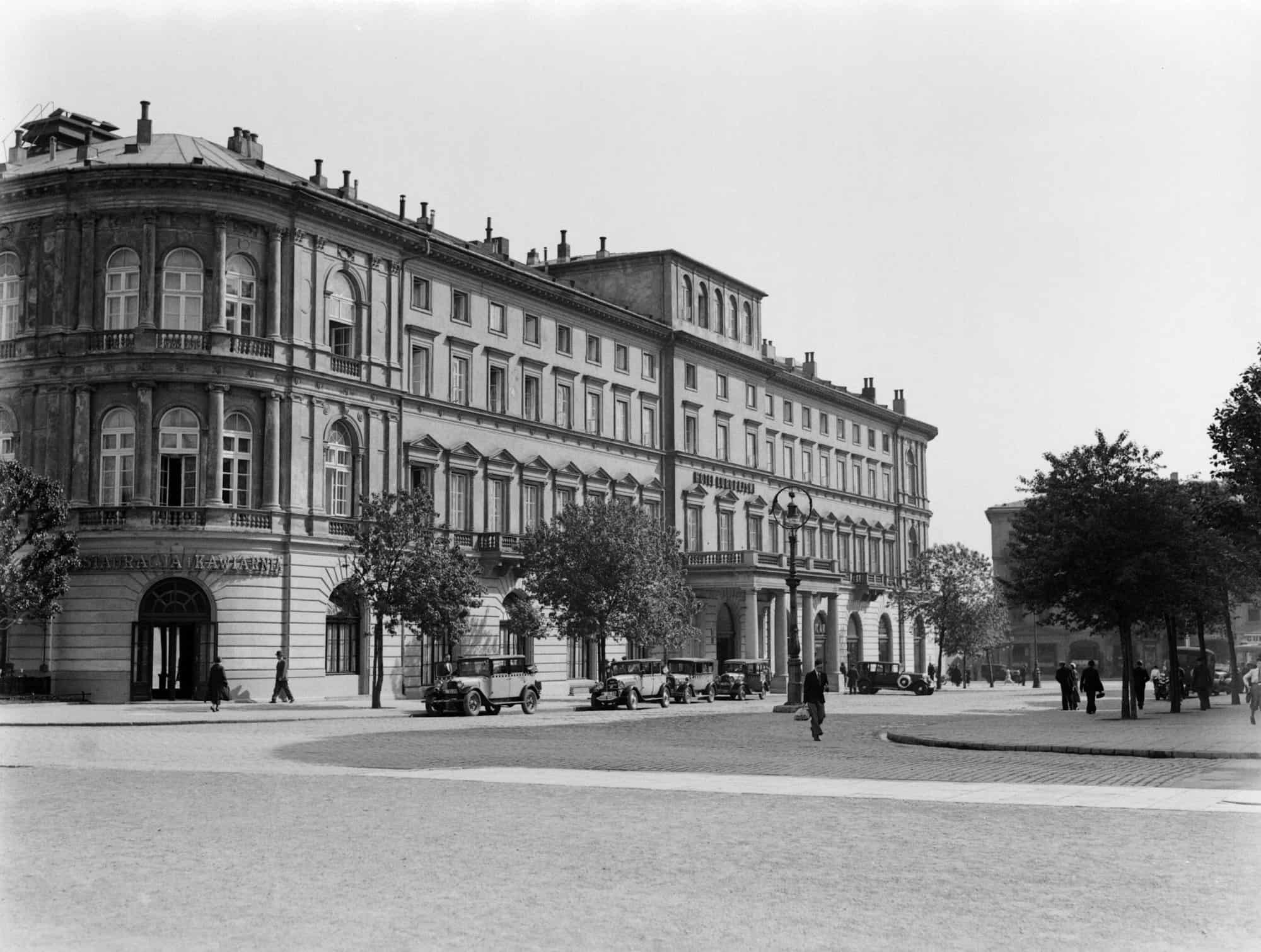
The hotel was remodelled in 1907 to designs by Czesław Przybylski and Antoni Jawornicki, and after 1918 it hosted the French military mission and a long list of legations, from Belgium and Finland to Spain and Brazil; by 1938 it had 250 rooms. It caught fire during the defence of Warsaw in September 1939 and was burnt out in 1944. After the war the pre-war owners reopened a restaurant and began repairs, but in 1948 the Ministry of National Defence took the building over and completed its reconstruction to designs by Bohdan Pniewski as the Military-Political Academy, which occupied it from 1951 to 1954. Between 1957 and 1961 it was adapted once again as a hotel, run by the state group Orbis, and in 1965 it was entered in the register of historic monuments. Heirs of the pre-war owners began their claim in 1991, the pre-war company Hotel Europejski was revived in 1993, and in 2005 the building was handed back to it; in 2012 the Swiss publisher Vera Michalski-Hoffmann became the majority shareholder in the owning company, H.E.S.A.
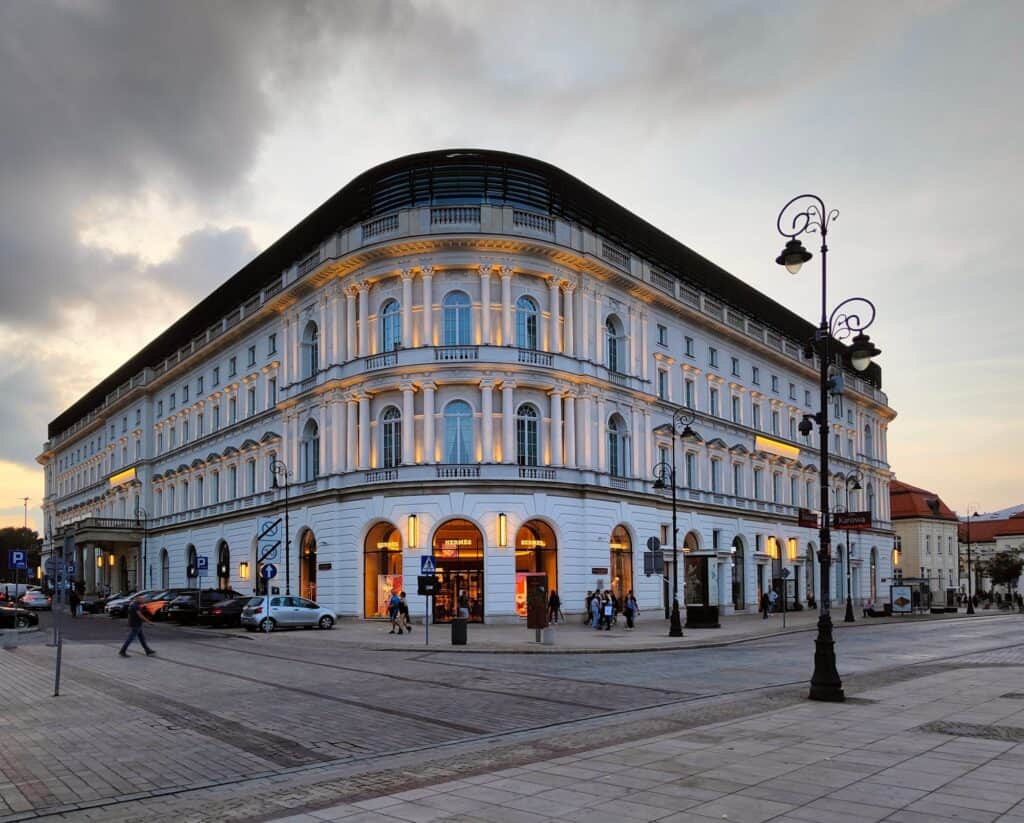
Restoration by SUD Architectes, 2013–2018
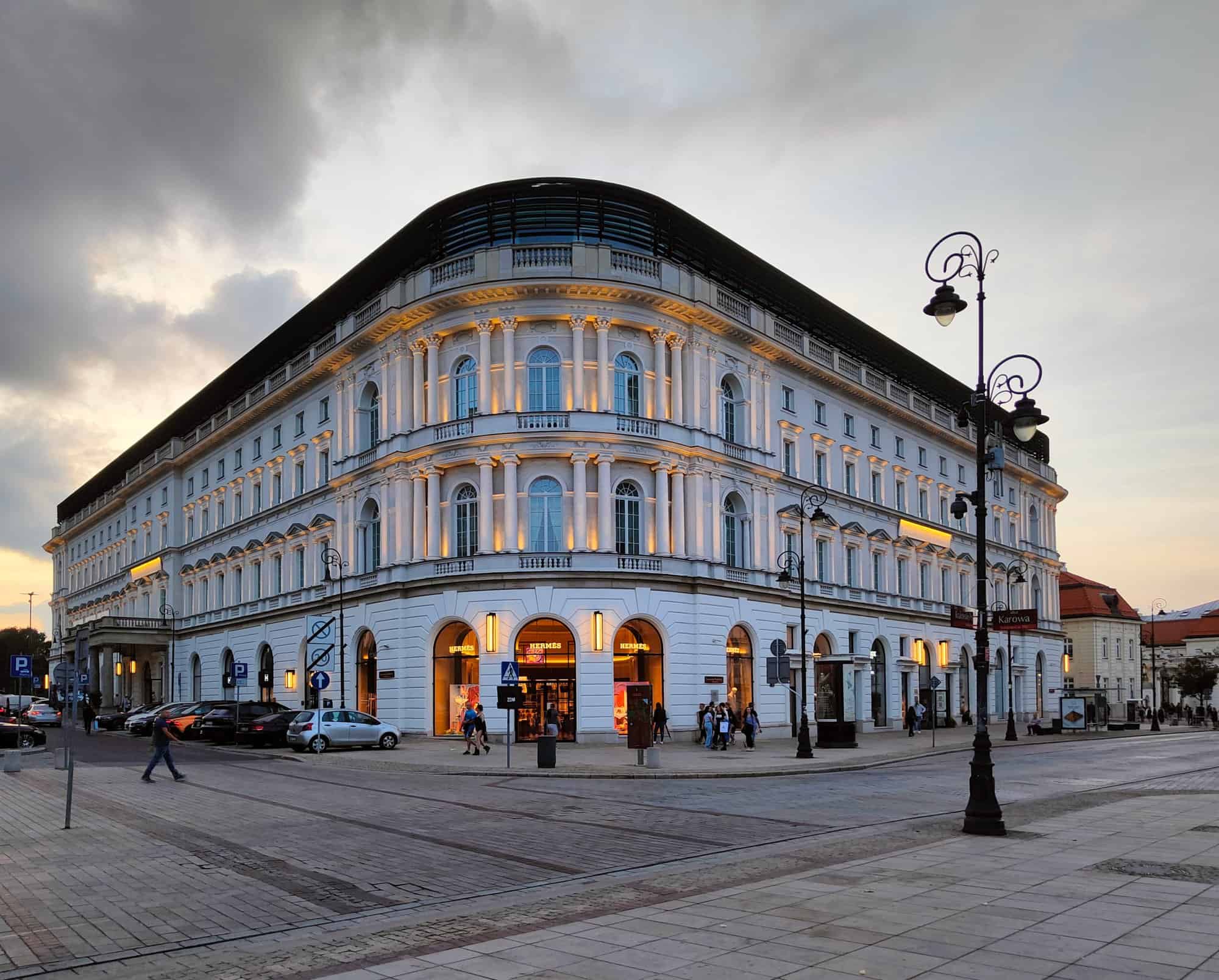
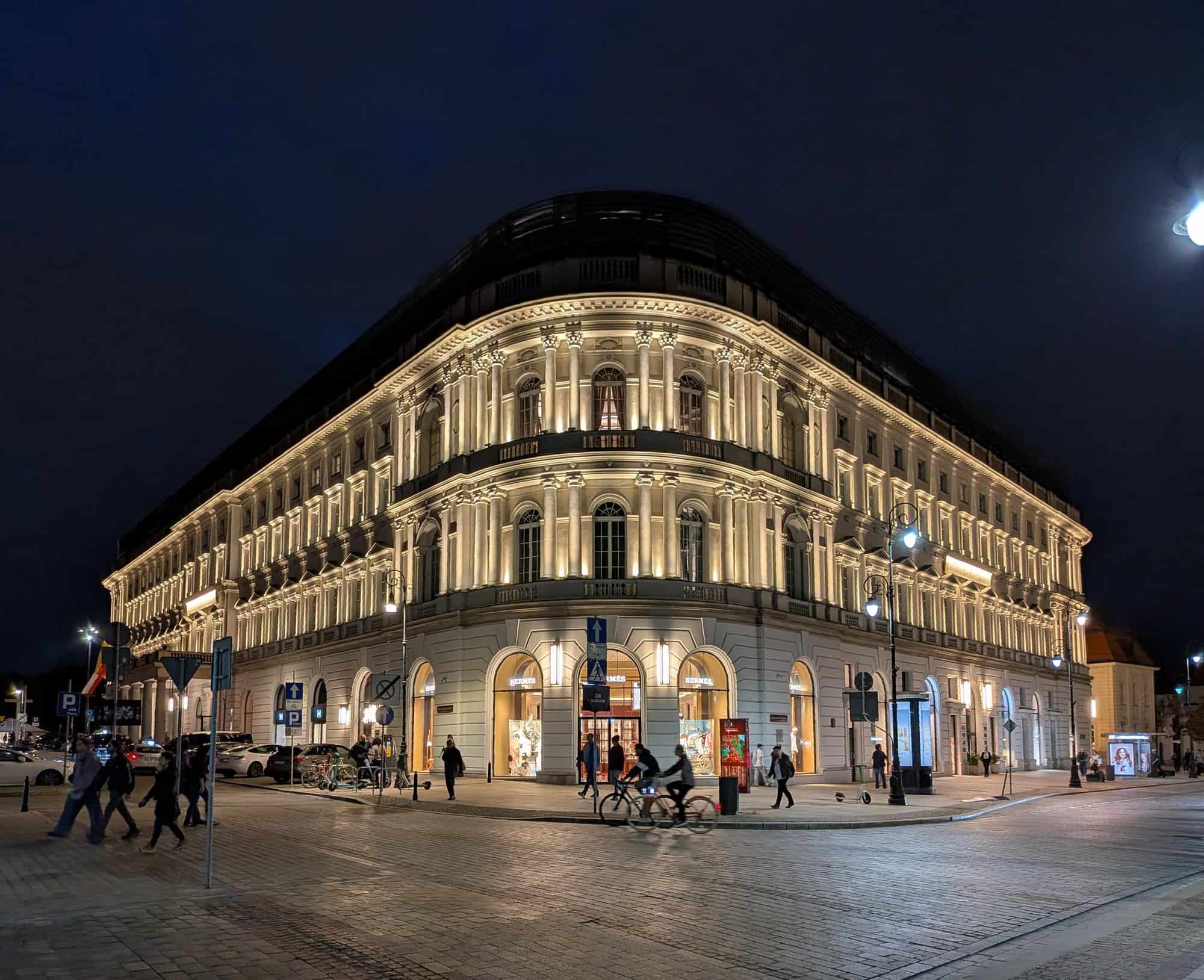
The restoration of 2013–2018 turned the listed building into a mixed-use complex of around 28,000 square metres, combining the hotel with luxury shops and offices. SUD Architectes, as lead architects, restored the historic structure and added two new storeys in place of the old attic, a discreet glazed crown of around 7,000 square metres of offices that was approved by Warsaw’s heritage conservator in 2010 and proved controversial; four basement levels were dug beneath the inner courtyard to house technical services and parking. The works required strengthened foundations, diaphragm walls for the underground garage and a steel frame for the new storeys, and the building revealed its secrets as they went, from elements of the original steel structure hidden in the walls to decorations bricked up during the post-war rebuilding. Along Krakowskie Przedmieście, APA Wojciechowski designed the ground floor as a street of boutiques, now home to Hermès, Patek Philippe and Brunello Cucinelli, with shopfronts in black rolled steel and, at its centre, an elliptical opening with a sculptural fan-shaped stair down to the first basement level, inspired by spiral stairs seen on plans of the building from 1880.
Interiors by WWAA, Boris Kudlička and APA Wojciechowski
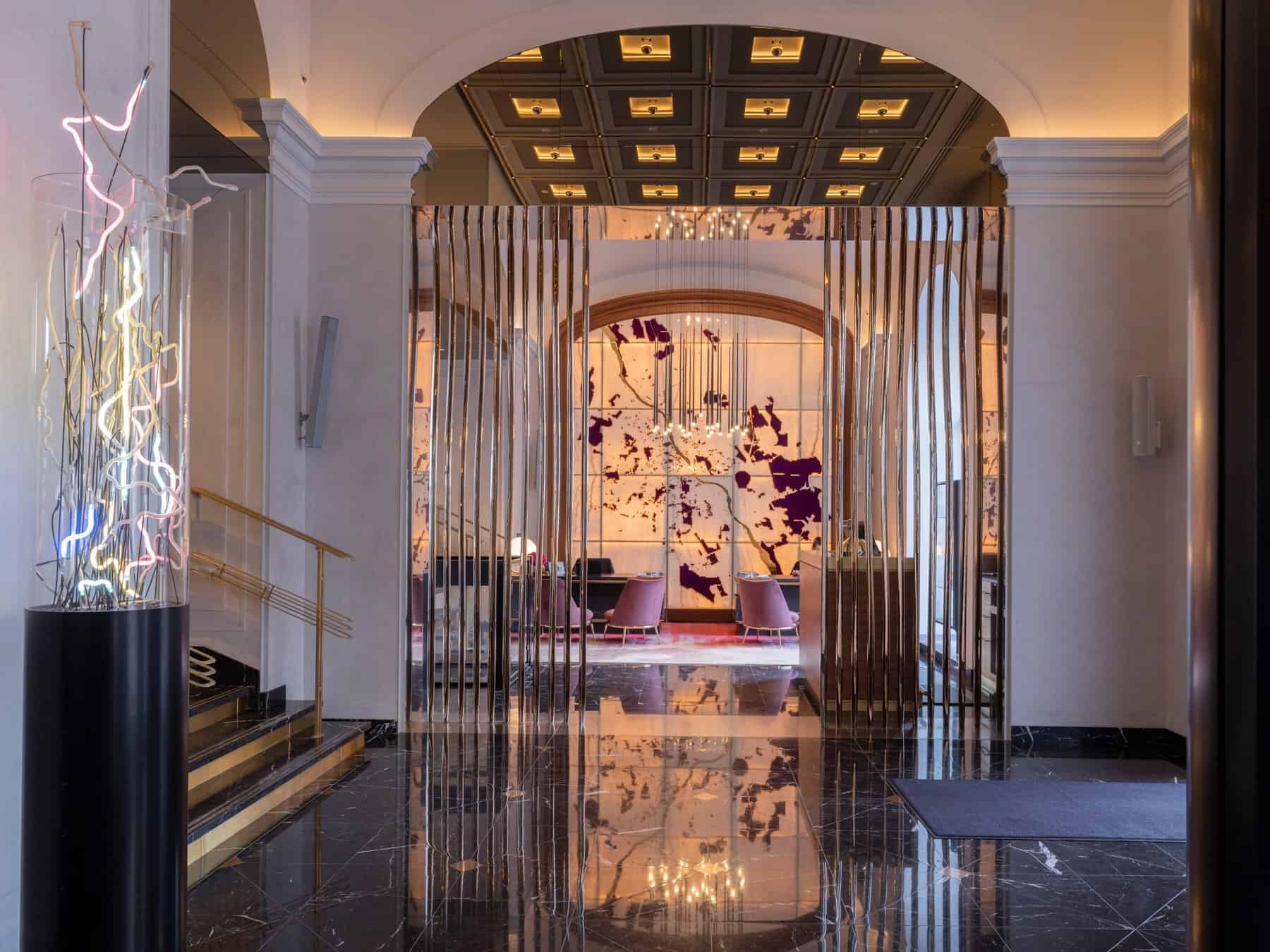
Because so little of the original interiors survived, but rich documentation did, WWAA and Boris Kudlička, designing between 2014 and 2017 in cooperation with APA Wojciechowski, chose not to recreate a single moment in the hotel’s history but to stitch its broken threads into a new whole. Floor, wall and ceiling patterns refer to the 19th century, the fitted joinery and marble bathrooms to the 1930s, and newly designed furniture to the aesthetics of the later 20th century. Pre-war photographs inspired the return of pale barrel vaults to the first-floor corridors, a balustrade by Bohdan Pniewski became the model for new balustrades, and small Place Museums at the ends of the corridors display objects from the hotel’s past. In the bedrooms, freestanding headboards in birch burl echo the rounded corners of the building, brushed brass is used for every detail, local craftsmen etched the Warsaw skyline into the grey marble bathroom walls, and the shelves hold Polish glass and Ćmielów porcelain. Behind the reception desk, a sculpture of carved and 3D-printed cubes by WWAA and Kudlička depicts the city, and a mosaic from the old hotel reception now lines the reception wall of the spa. Almost 500 works by more than 120 Polish artists, from Tadeusz Kantor to Wilhelm Sasnal, Monika Sosnowska and Goshka Macuga, were assembled for the hotel by the curator Anda Rottenberg, a former director of the Zachęta National Gallery of Art. Lázaro Rosa-Violán’s studio designed the blue and white Europejski Grill, with walls of Nieborów majolica plates, the marble-topped Long Bar, named after the bar at Raffles Hotel Singapore where the Singapore Sling was invented, the club-like Humidor and the Lourse Warszawa patisserie in white marble and brass.
Photography and credits
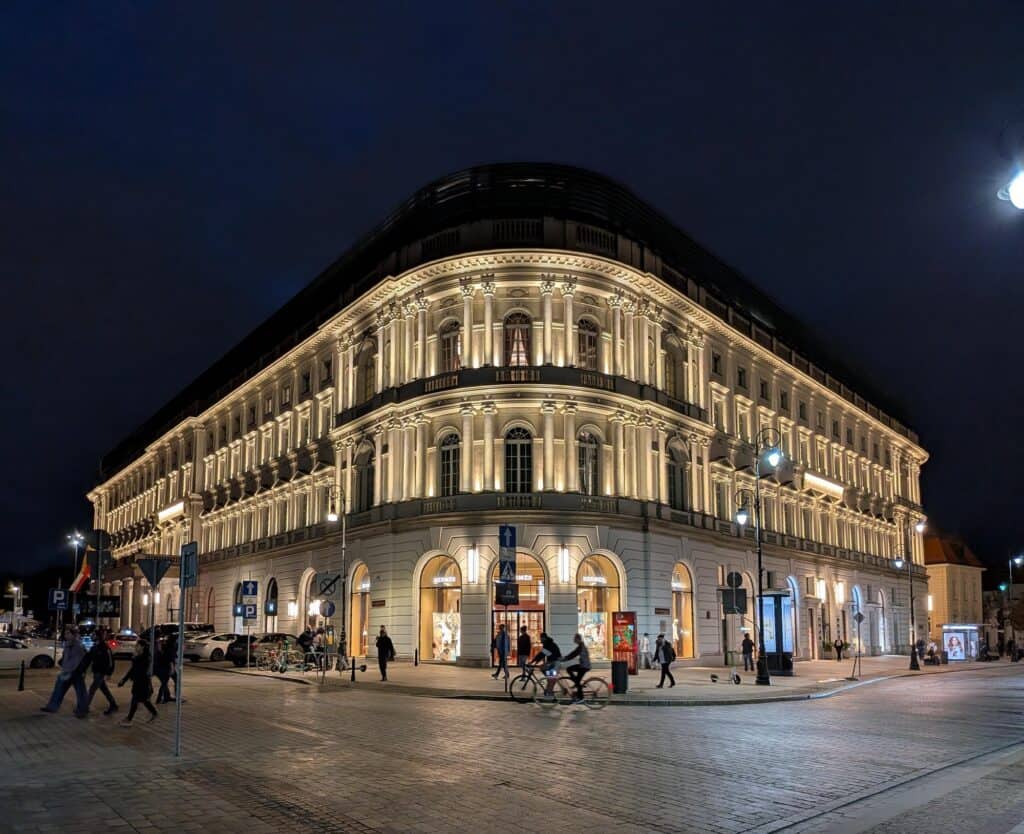
The photographs open with the white corner on Krakowskie Przedmieście on a summer morning in 2024 and the marble entrance hall with its screen of brass rods, followed by the 1859 engraving of the corner hall, the corner floodlit at dusk, the Piłsudski Square side with the statue of Józef Piłsudski, the hotel before 1939, the corner under a stormy sky, the long elevation to Piłsudski Square with its glazed rooftop addition, a night view and, finally, the hotel in 1934. The contemporary exteriors date from 2019 to 2026 and the lobby view from 2017; no freely licensed photographs of the bedrooms, the Long Bar, the Europejski Grill or the spa were available. Credits go to Adrian Grycuk, Milenakudlicka, an unknown engraver signing G.R. in Tygodnik Illustrowany (Mazovian Digital Library), Borys Kozielski, Zdzisław Marcinkowski, Szczecinolog, Nenea hartia and Willem van de Poll (Nationaal Archief), under the Creative Commons licences, public-domain dedications or public-domain status noted on each Wikimedia Commons file.
Raffles Europejski Warsaw gallery
Explore more on Archtene
- More projects by APA Wojciechowski + WWAA + Boris Kudlička + SUD Architectes + Lázaro Rosa-Violán + Henryk Marconi
- More projects in Warsaw
- More Hotel projects