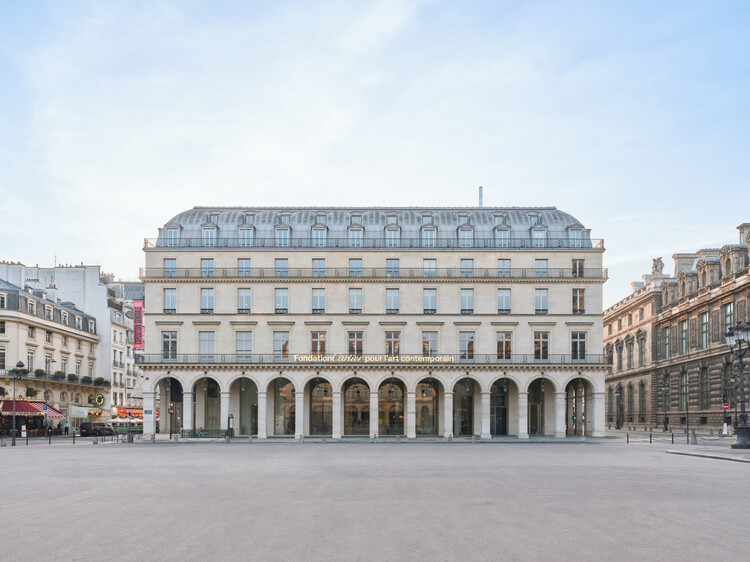
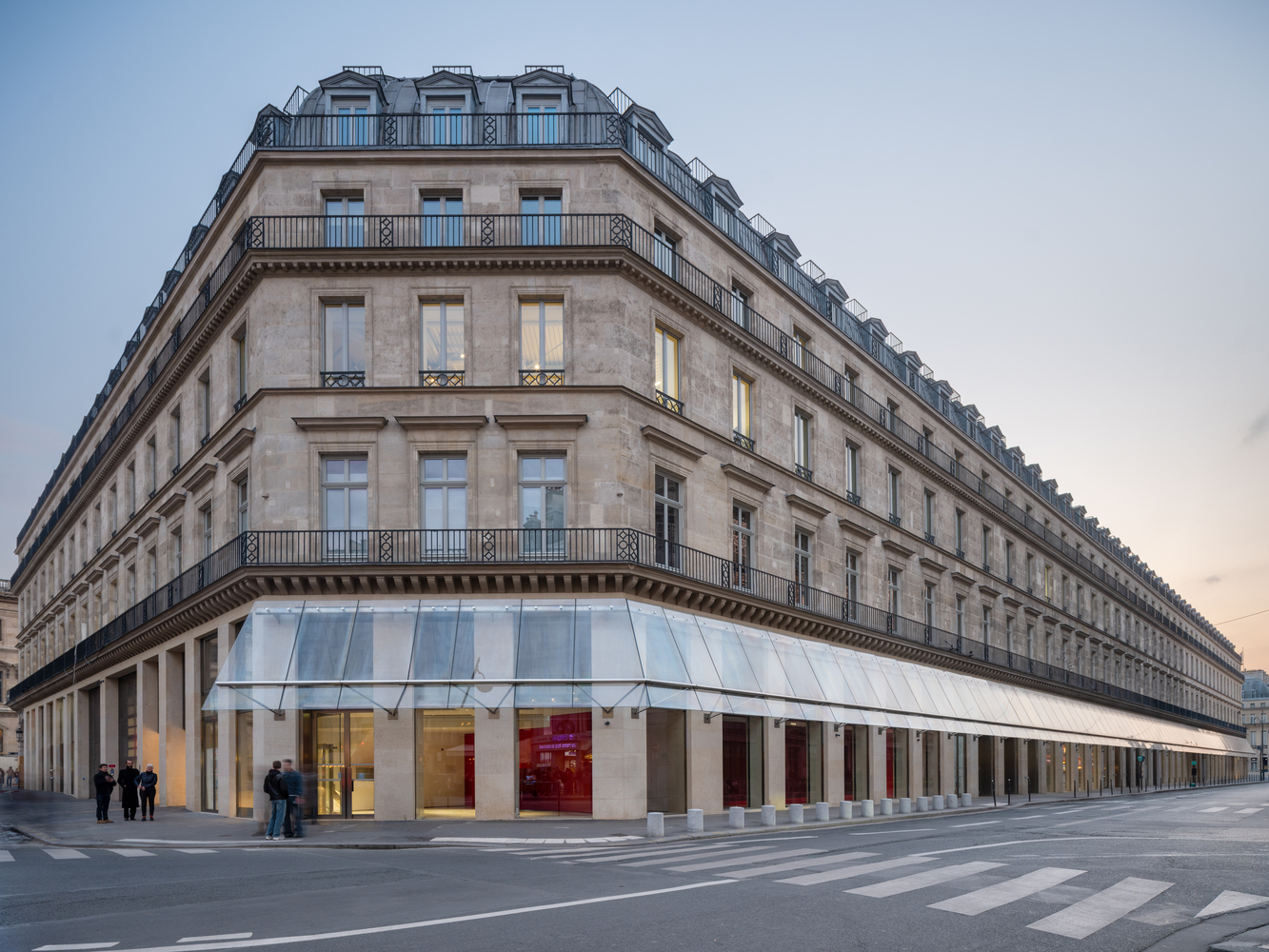
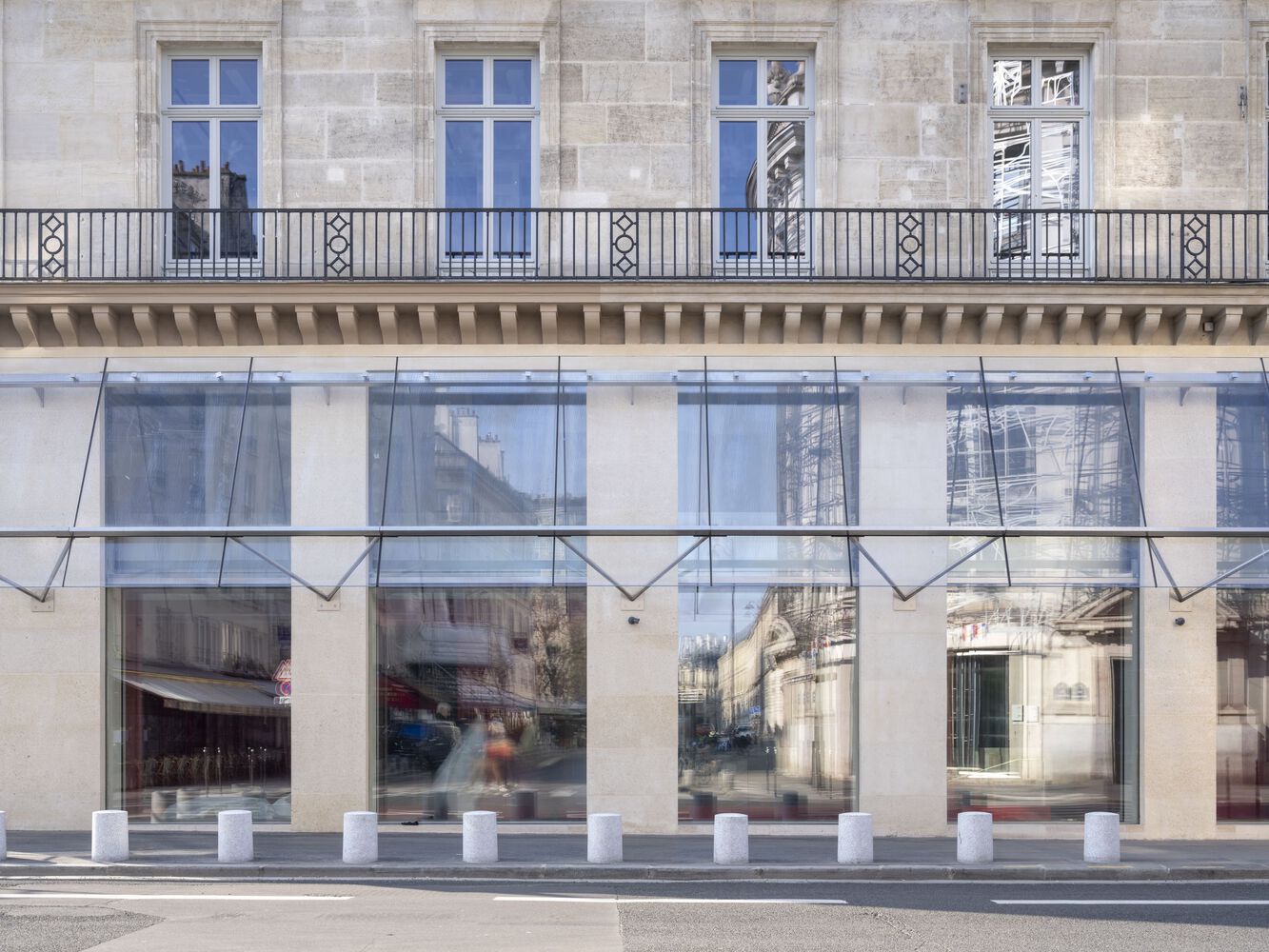
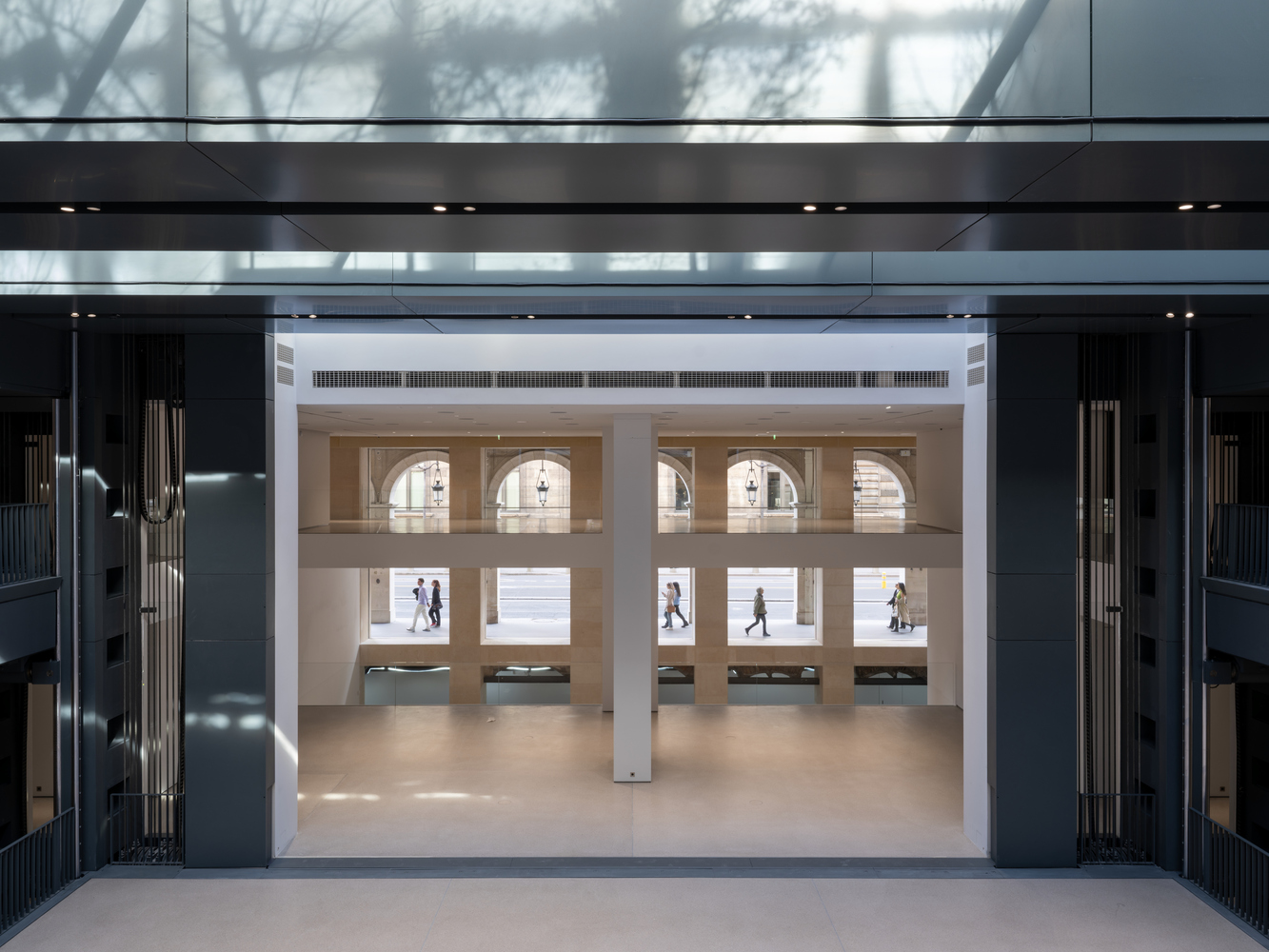
The Paris Fondation Cartier for Contemporary Art, designed by Ateliers Jean Nouvel, is a transformative project that reimagines the intersection of heritage and modernity in the heart of Paris. Located at 2 Place du Palais-Royal, the building occupies a historic Haussmannian edifice originally constructed for the 1855 Exposition Universelle. Nouvel’s design preserves the 150-meter-long façade, maintaining the building’s historical character while introducing innovative architectural elements that redefine its purpose and functionality.
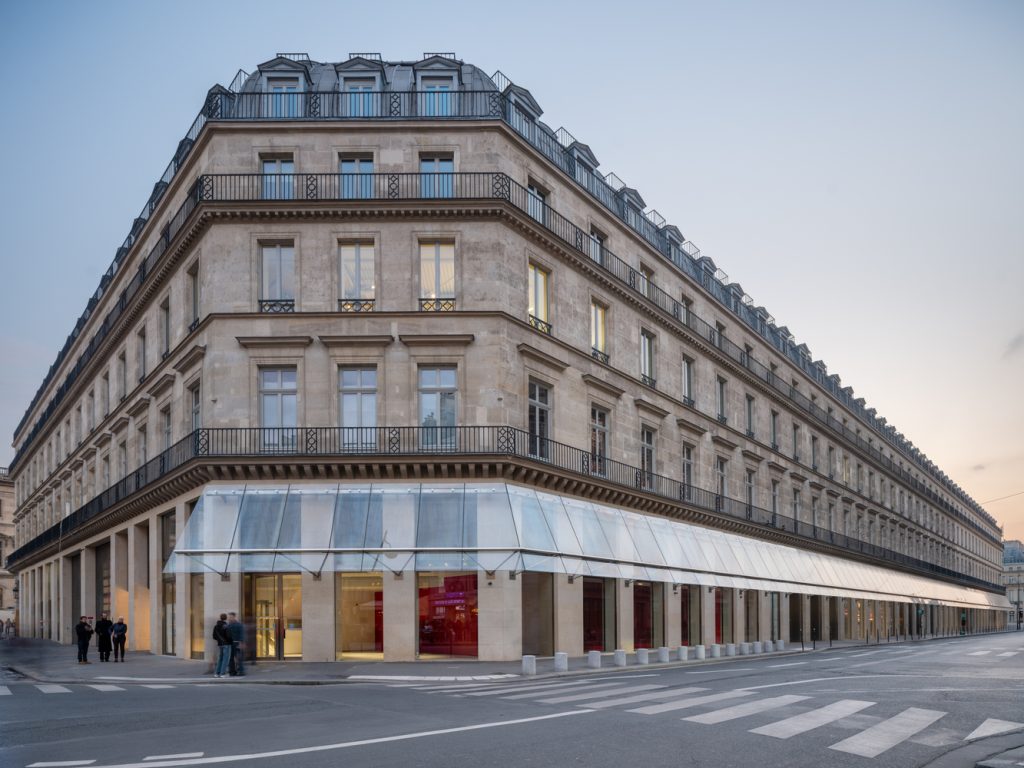
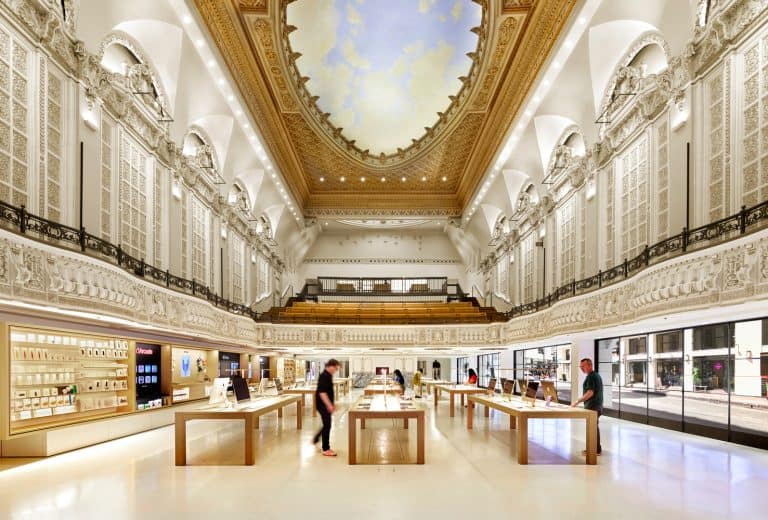
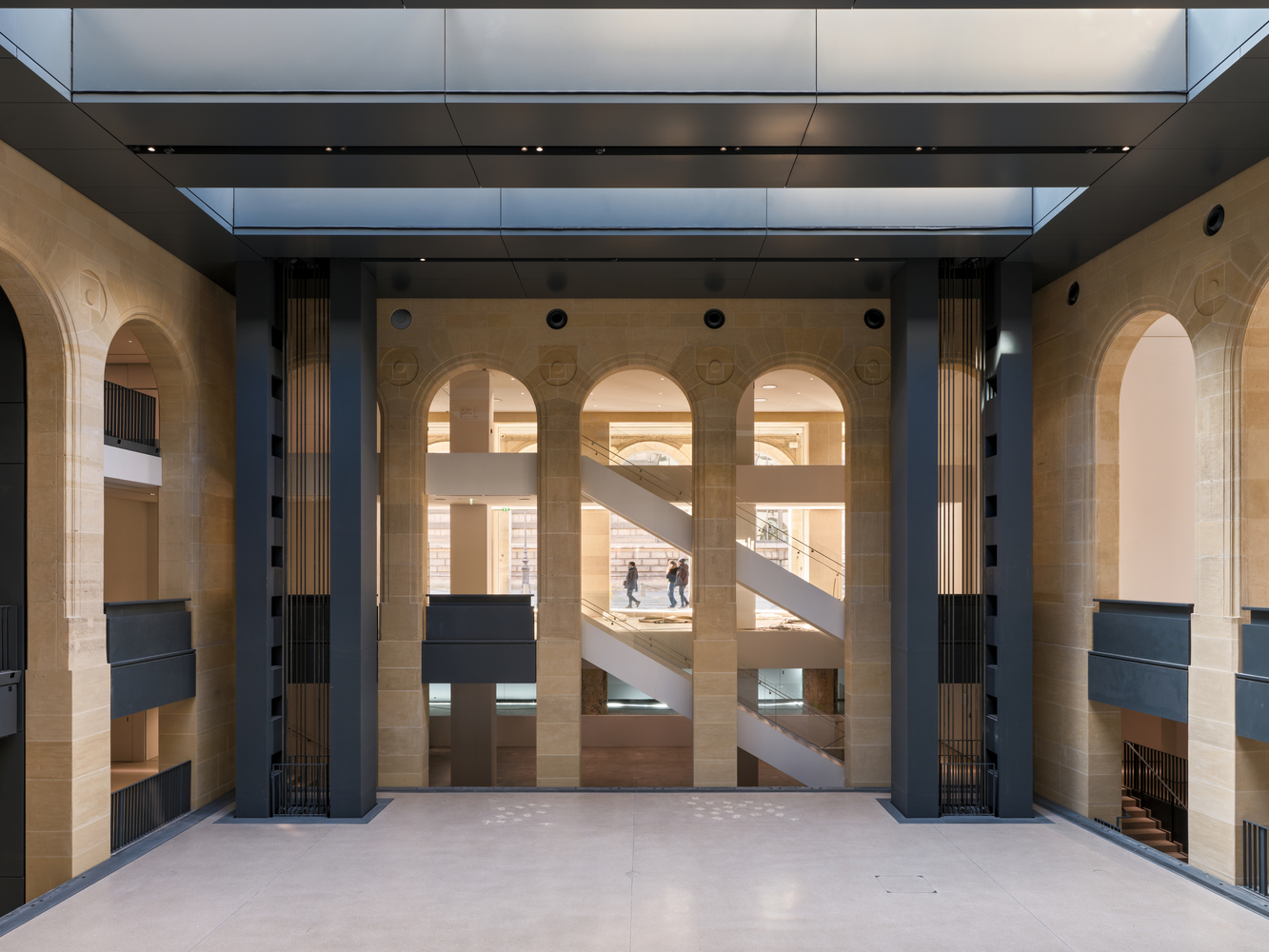
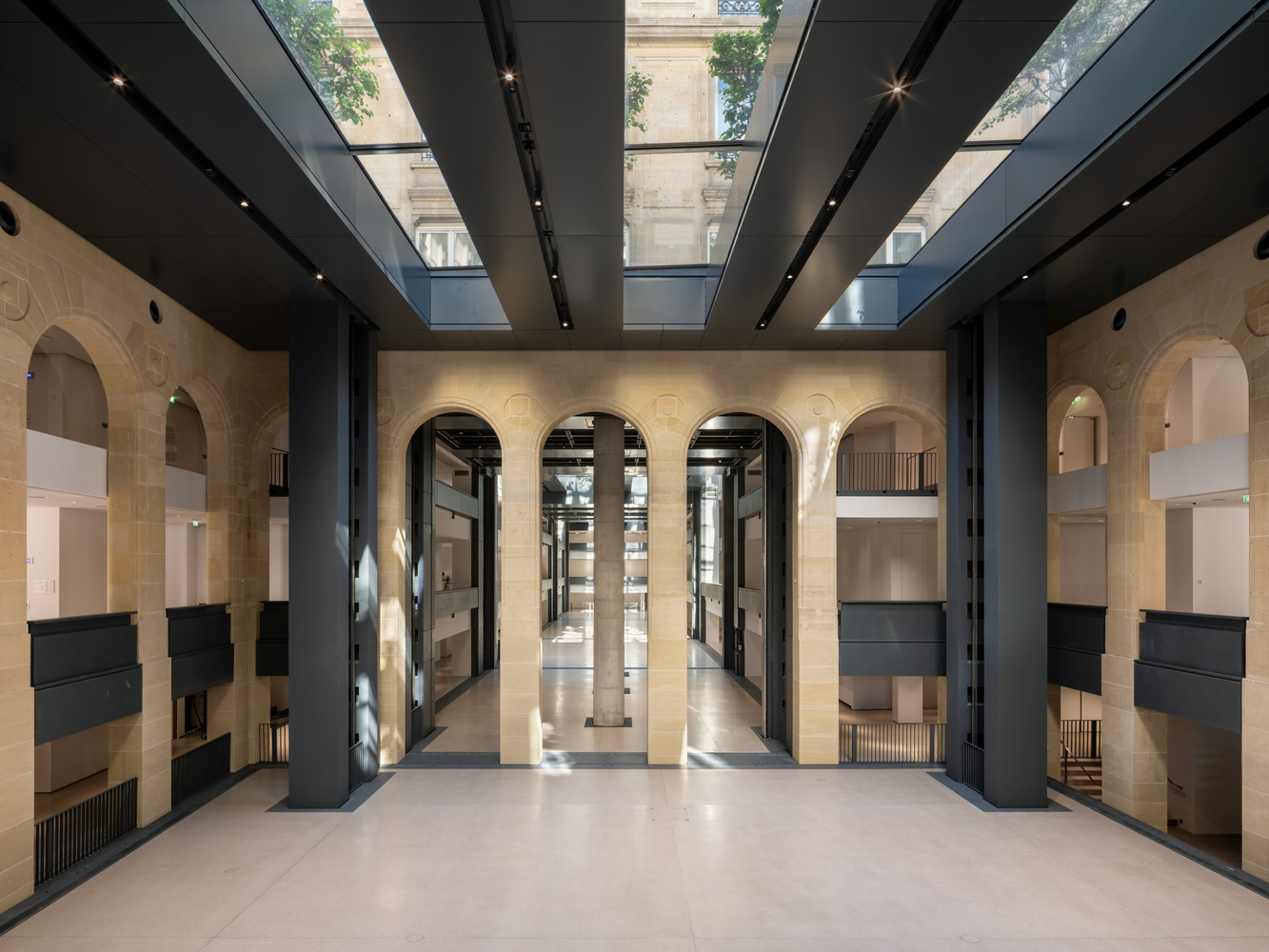
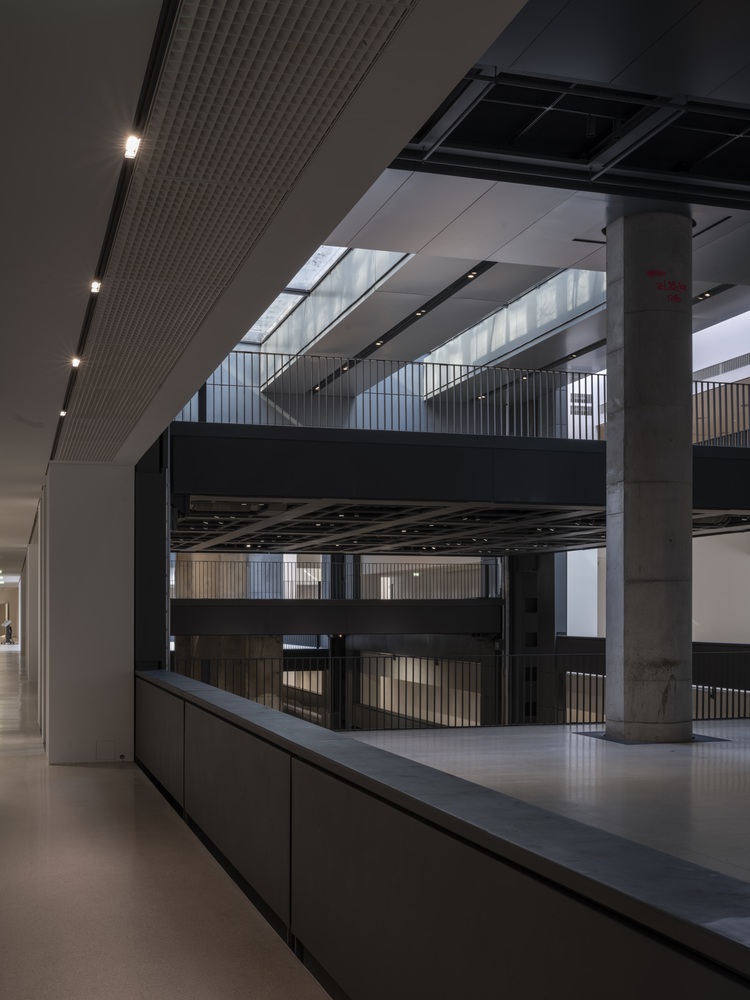
The interior of the Fondation Cartier is a testament to architectural ingenuity, featuring a glass roof that allows natural light to flood the 8,500 square meters of public space. A standout feature is the five mobile platforms engineered by Nouvel, capable of 27 million configurations to adapt the central nave for varying exhibitions. This design surpasses similar moving structures in other Parisian art venues, offering unparalleled flexibility in exhibition design.
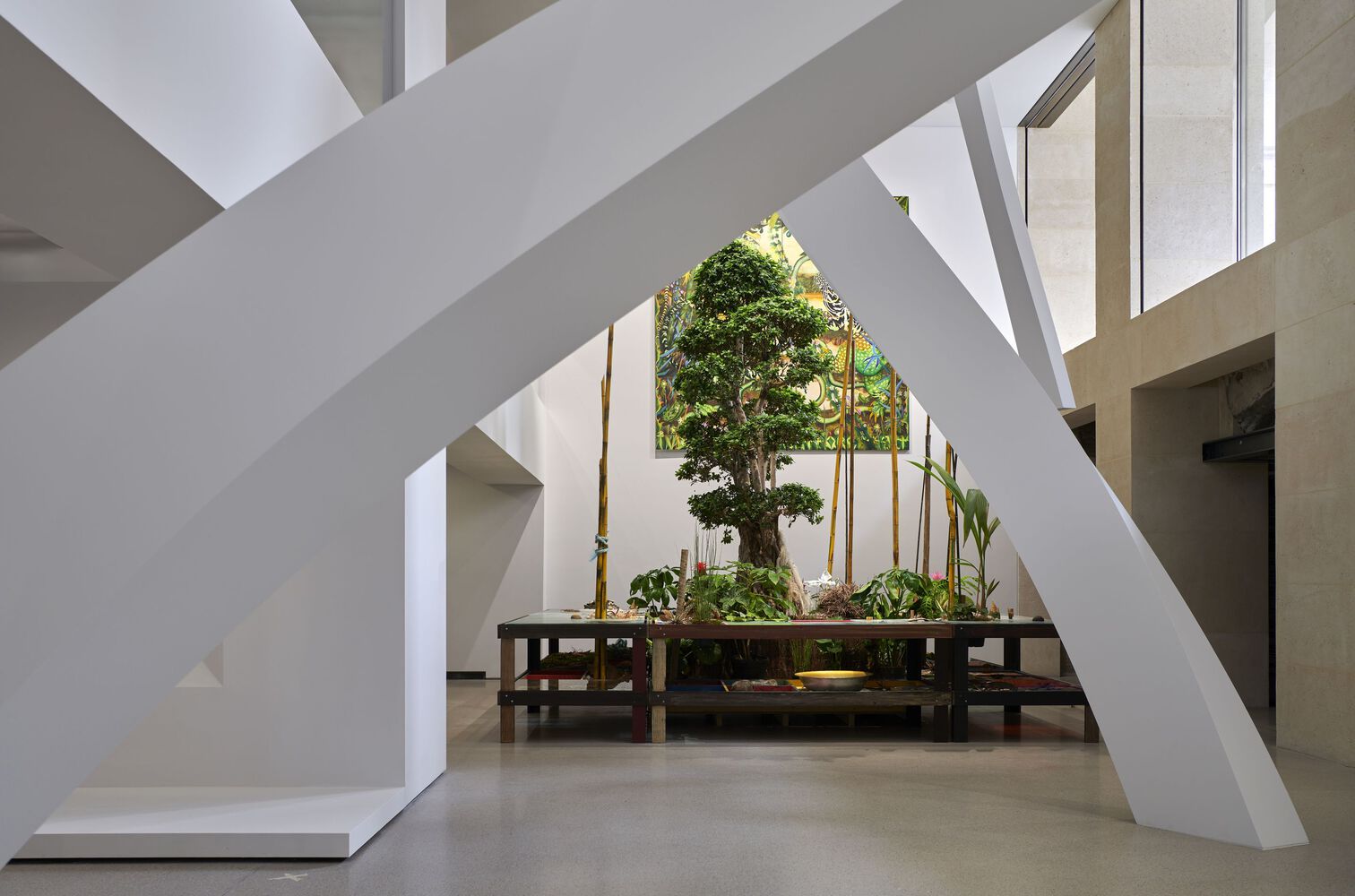
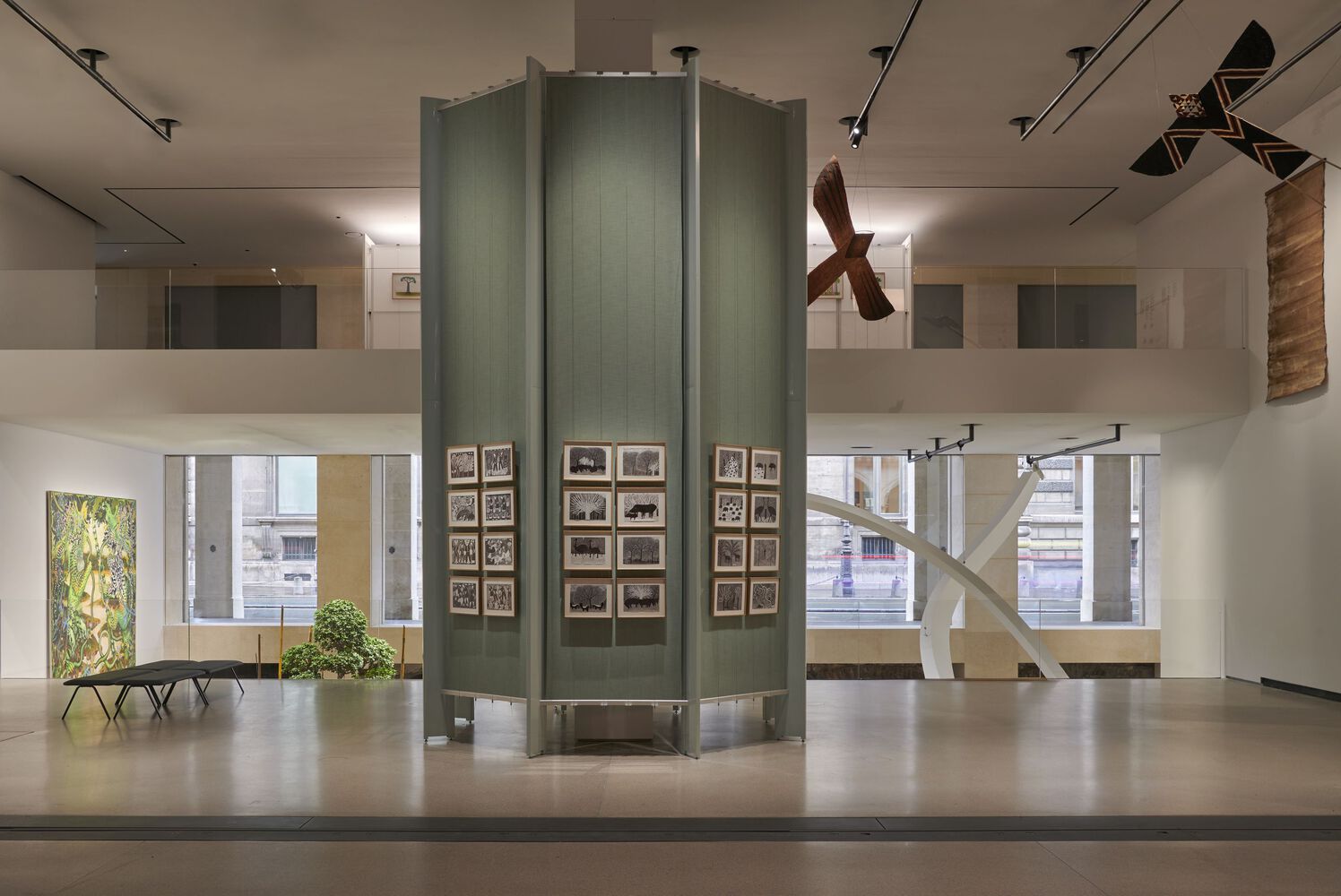
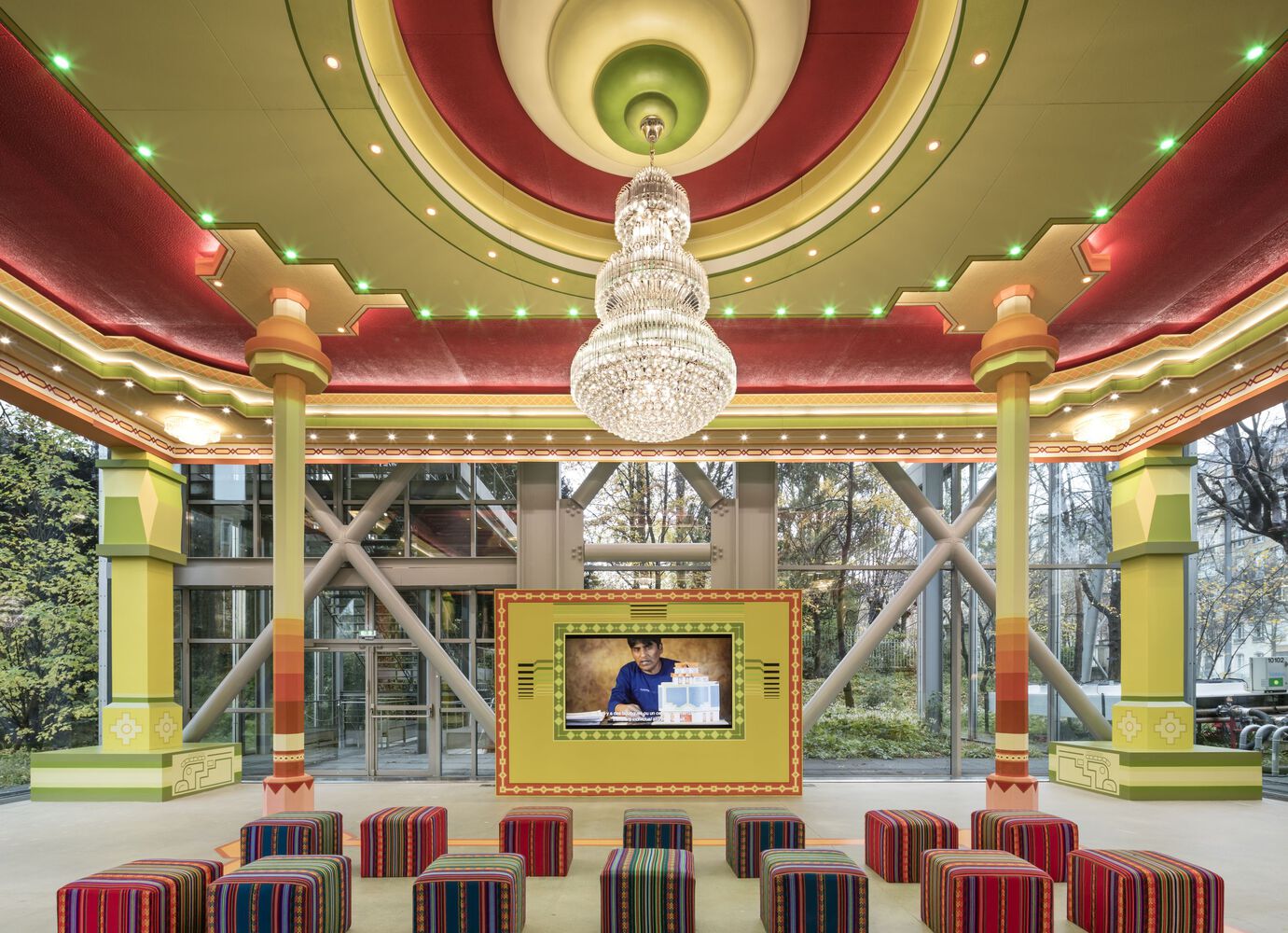
The inaugural exhibition, “Exposition Générale,” showcases nearly 600 works from the Fondation’s 4,500-piece collection, reflecting 40 years of contemporary art. Curated by FormaFantasma, the exhibition presents a diverse array of artists, including Claudia Andujar, James Turrell, Sarah Sze, and David Lynch, among others. This comprehensive display underscores the Fondation Cartier’s commitment to presenting a wide-ranging and inclusive view of contemporary creation.
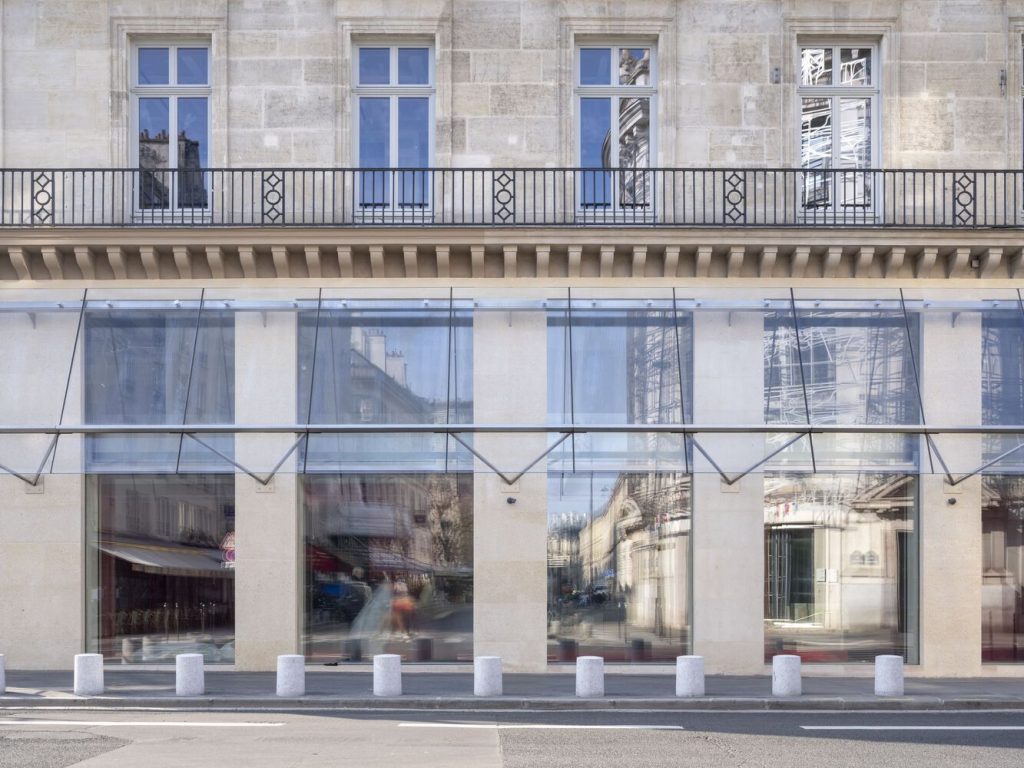
The Fondation Cartier’s new space is designed to be a living entity, engaging with its urban surroundings and inviting the public to experience art in a dynamic and interactive environment. The building’s design emphasizes movement, artist participation, and engagement with its urban surroundings, including projects planned in public spaces like Place du Palais-Royal and the metro.
The Fondation Cartier’s relocation to this new site marks a significant evolution in its mission to promote contemporary art. By occupying a central location in Paris, the Fondation aims to attract a broader, more international audience while maintaining its ethos of artistic integrity and interdisciplinarity. The new space includes amenities such as an educational center, a workshop, a 120-seat auditorium, a bookstore, and a restaurant, enhancing its role as a cultural hub.
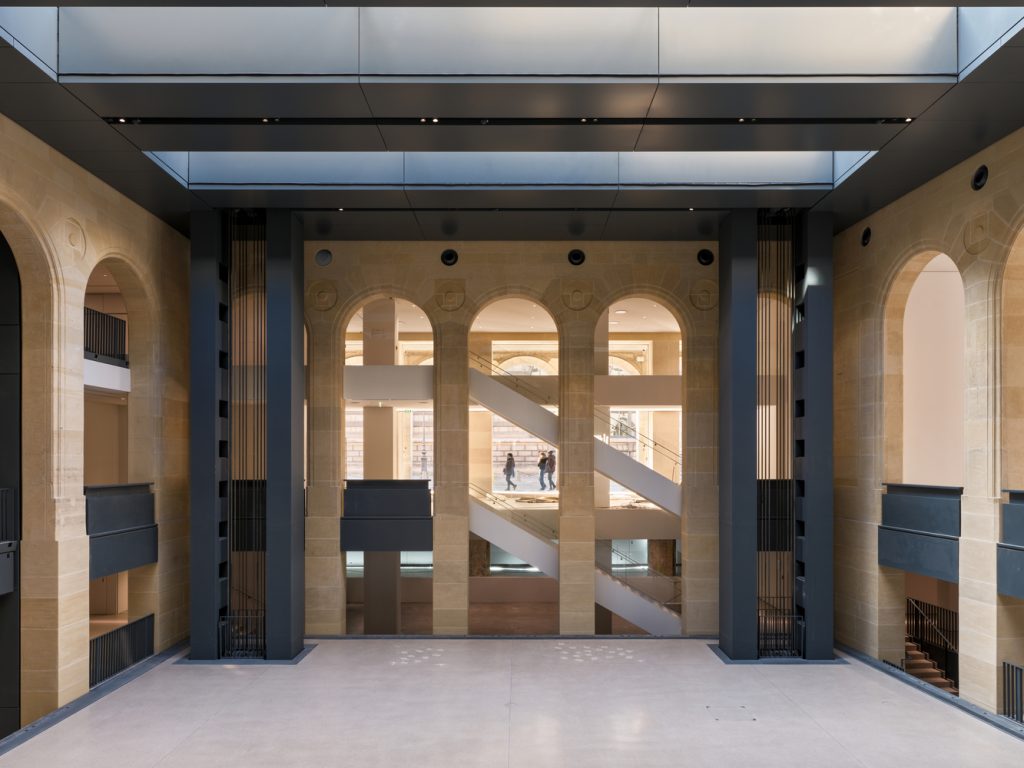
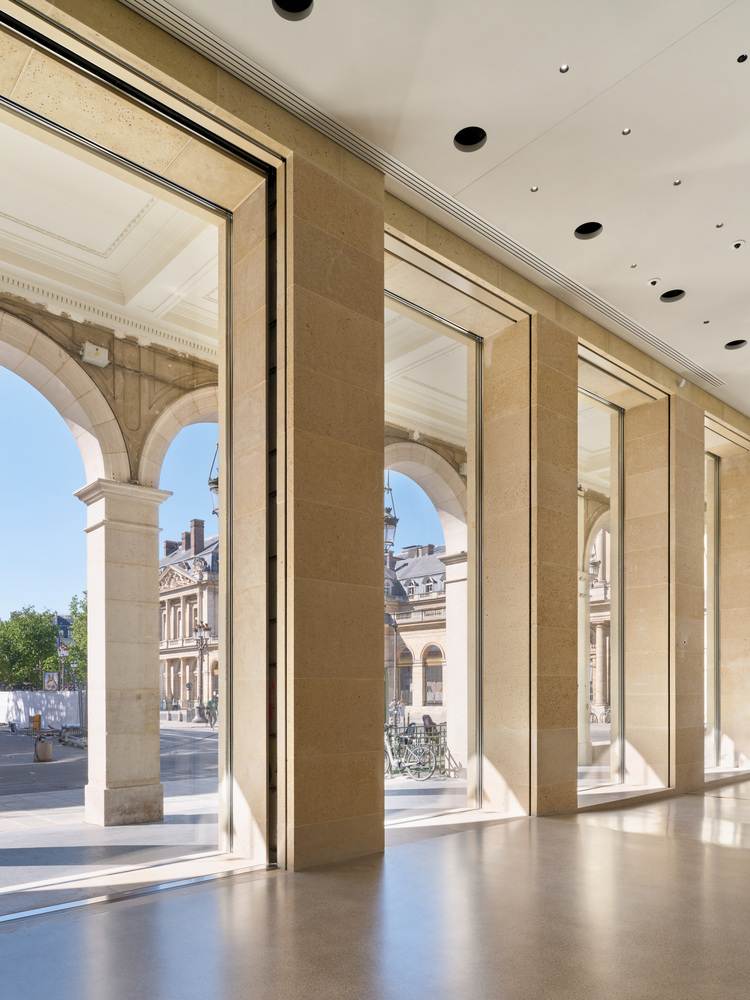
The architectural transformation of the Fondation Cartier reflects a philosophy of flexibility, interaction, and visual openness. The building merges public visibility with curatorial freedom, aligning with the Fondation’s long-standing commitment to artistic experimentation. The design challenges traditional museum concepts, offering a space that is both a showcase for art and a platform for dialogue and engagement.
The Fondation Cartier’s new home is a bold statement in contemporary architecture, embodying a vision that transcends traditional museum design. The integration of mobile platforms and the emphasis on natural light create a dynamic environment that adapts to the needs of both artists and visitors. This innovative approach sets a new standard for cultural institutions, demonstrating how architecture can enhance the experience of art and foster a deeper connection with the public.
The Fondation Cartier’s commitment to innovation is evident not only in its architectural design but also in its programming. The inaugural exhibition, “Exposition Générale,” is a testament to the Fondation’s dedication to presenting a diverse and inclusive view of contemporary art. By showcasing a wide range of artists and works, the Fondation continues to challenge conventional boundaries and encourage new ways of thinking about art and its role in society.
In conclusion, the Paris Fondation Cartier for Contemporary Art is a pioneering project that reimagines the relationship between architecture, art, and the public. Through its innovative design and dynamic programming, the Fondation Cartier sets a new benchmark for cultural institutions, demonstrating how thoughtful architecture can create spaces that are both functional and inspiring. This project not only honors the rich history of its location but also looks forward to a future where art and architecture continue to evolve together.
Gallery
Explore more on Archtene
- More projects by Ateliers Jean Nouvel
- More projects in France
- More Museum projects